Hampi is one of the most fascinating historical destinations in India. Located in Vijayanagara, this ancient town is known for its magnificent temple architecture, vast ruins, and dramatic landscapes filled with massive granite boulders. The town lies along the banks of the Tungabhadra River and attracts travelers, historians, photographers, and spiritual seekers from across the world.
Once the grand capital of the Vijayanagara Empire, it was among the largest and wealthiest cities in the world during the 14th to 16th centuries. Today, the remains of temples, palaces, markets, and royal structures stand as silent reminders of that glorious past. Walking through Hampi feels like stepping into a living museum where history can be experienced at every corner.
The region is famous for iconic landmarks such as Virupaksha Temple, Vijaya Vittala Temple, the legendary Stone Chariot, and the elegant Lotus Mahal. These structures showcase remarkable craftsmanship and reflect the artistic brilliance of the Vijayanagara period.
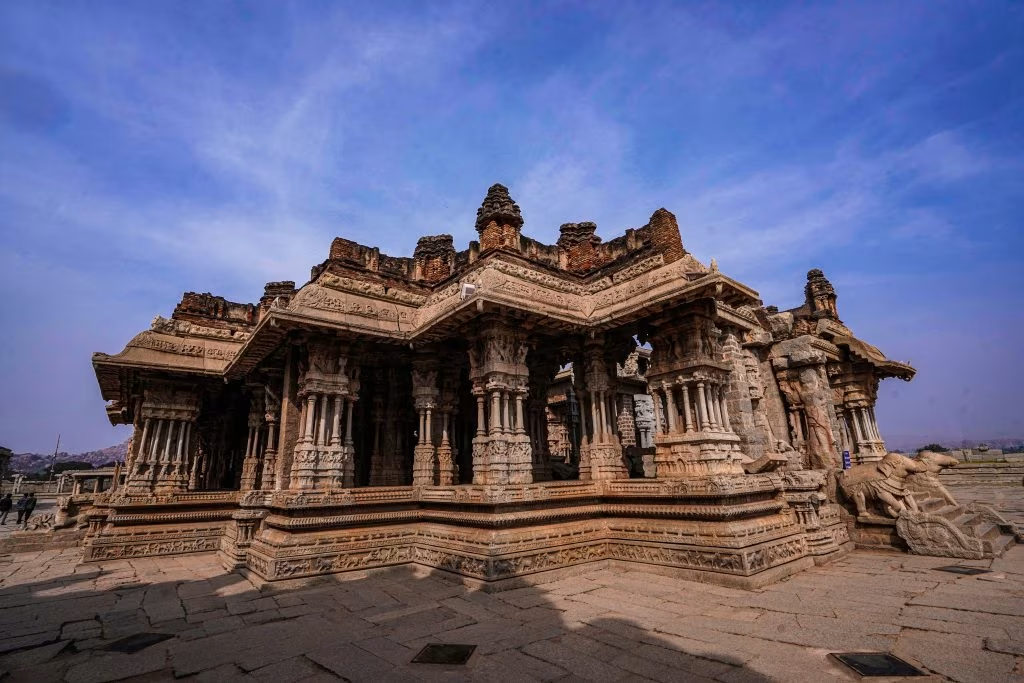
Spread across a vast landscape of nearly 29 square kilometers, people describe Hampi as the “world’s largest open-air museum.” The ruins are divided mainly into two zones:
- The Sacred Centre – includes temples and religious sites
- The Royal Centre – contains palaces, royal enclosures, baths, and administrative structures.
Today, Hampi, Karnataka, is one of the most popular heritage destinations in South India. Visitors come here to explore ancient monuments and cycle through the ruins. They also enjoy hiking up rocky hills and watching beautiful sunsets. Many stay to experience the peaceful atmosphere of this historic landscape.
Hampi – Karnataka’s UNESCO World Heritage Destination
Hampi holds global recognition for its exceptional historical and cultural significance. In 1986, the monuments of Hampi were declared a UNESCO World Heritage Site, establishing it as one of India’s most important heritage destinations.
UNESCO granted this status because Hampi showcases an extraordinary collection of temple complexes, royal structures, market streets, and water systems that highlight the architectural brilliance of the Vijayanagara Empire. These monuments spread across a vast landscape of hills, rocky terrain, and the flowing Tungabhadra River.
Hampi was once described by foreign travelers as one of the richest and most magnificent cities in the world. Historical records mention bustling markets where diamonds, pearls, fine silk, horses, and precious goods were traded. Although the empire declined in the 16th century, the ruins that remain today continue to reflect the grandeur of that era.
What is Hampi Famous For?
Hampi is famous for its remarkable ruins, magnificent temples, and unique landscapes of giant granite boulders. This historic town was once the capital of the powerful Vijayanagara Empire. Today, it stands as one of the most important heritage destinations in India.
The following landmarks are among the most famous attractions in Hampi.
Stone Chariot Hampi
The Stone Chariot is one of the most iconic monuments in Hampi. It is located inside the Vijaya Vittala Temple complex and is considered a masterpiece of Vijayanagara architecture.
The chariot is a shrine dedicated to Garuda, the vehicle of Lord Vishnu. It has been carved from granite and designed to resemble a ceremonial temple chariot. The structure stands on large stone wheels, giving it the appearance of a moving chariot.
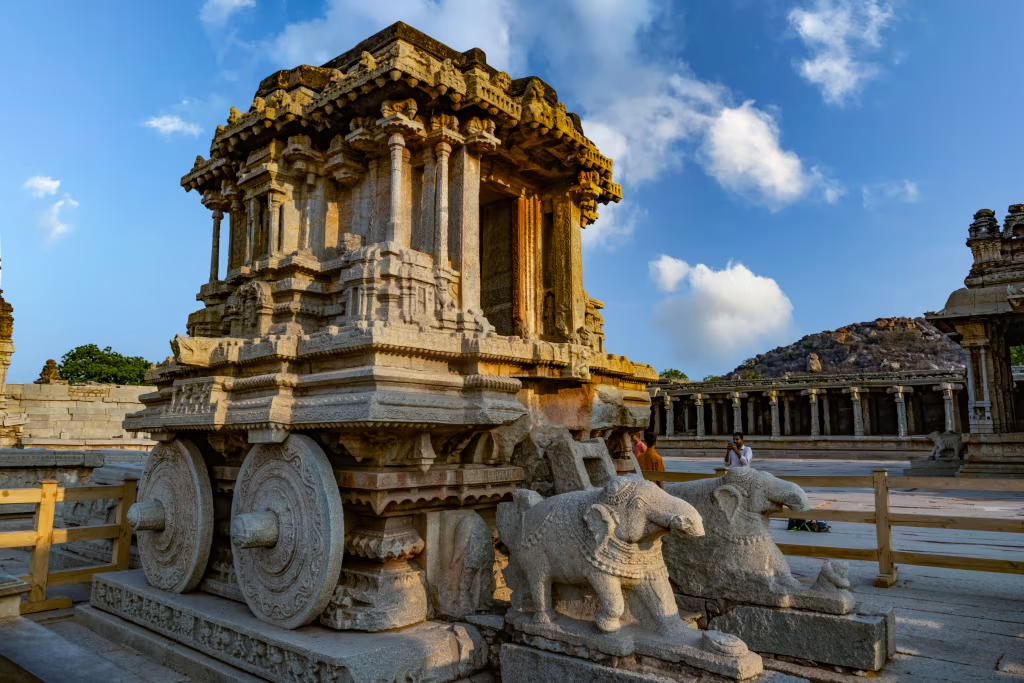
One can see detailed carvings across the monument. Sculptures of elephants stand in front of the chariot, as if pulling it forward. The monument has become a symbol of Hampi and its image appears on India’s ₹50 currency note.
Virupaksha Temple, Hampi
The Virupaksha Temple is one of the most important temples in Hampi, Karnataka. Dedicated to Lord Shiva, this ancient temple has been an active place of worship for many centuries.
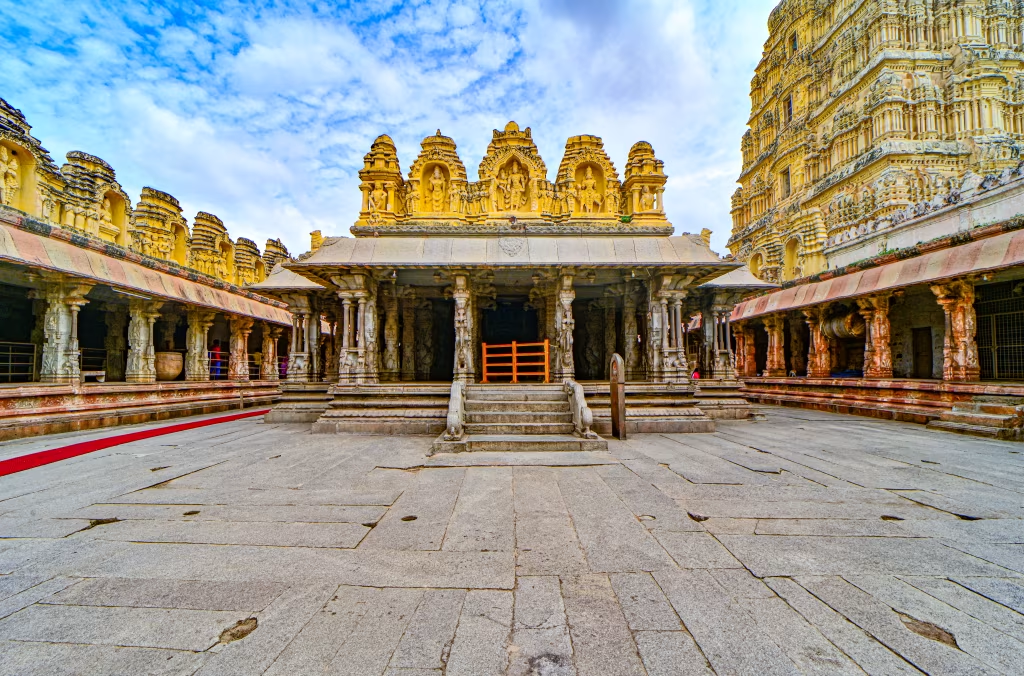
The temple complex features a towering entrance gateway known as a Gopuram. The structure rises nearly 50 meters and remains visible from a distance. Builders likely constructed the temple in the 7th century and later expanded many parts during the Vijayanagara period.
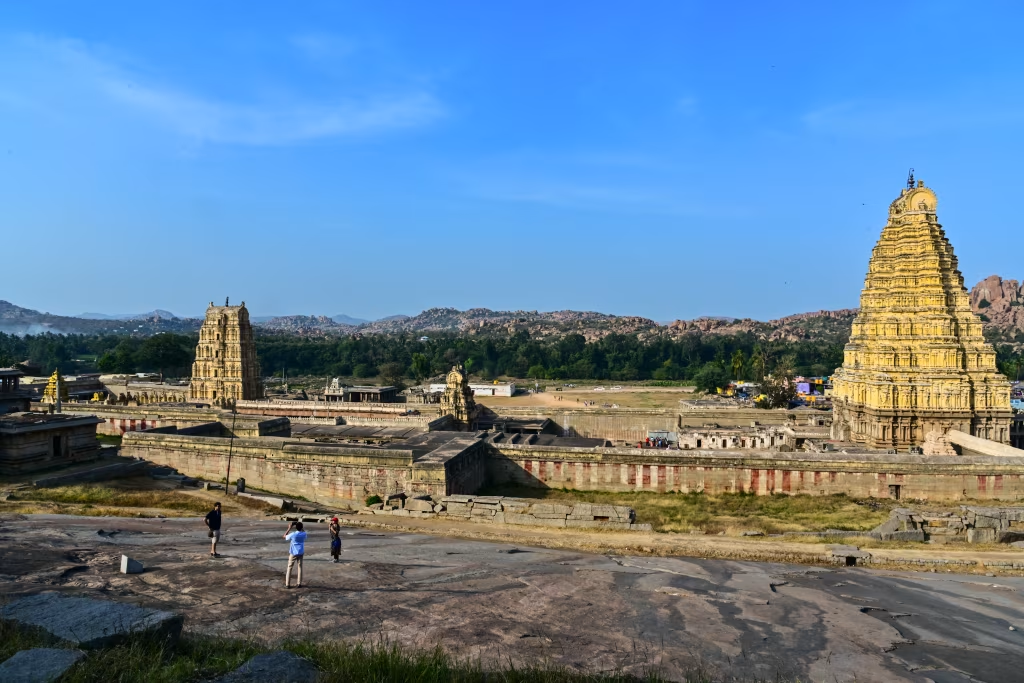
The temple stands along the historic Hampi Bazaar, which was once a busy marketplace.
Lotus Mahal Hampi
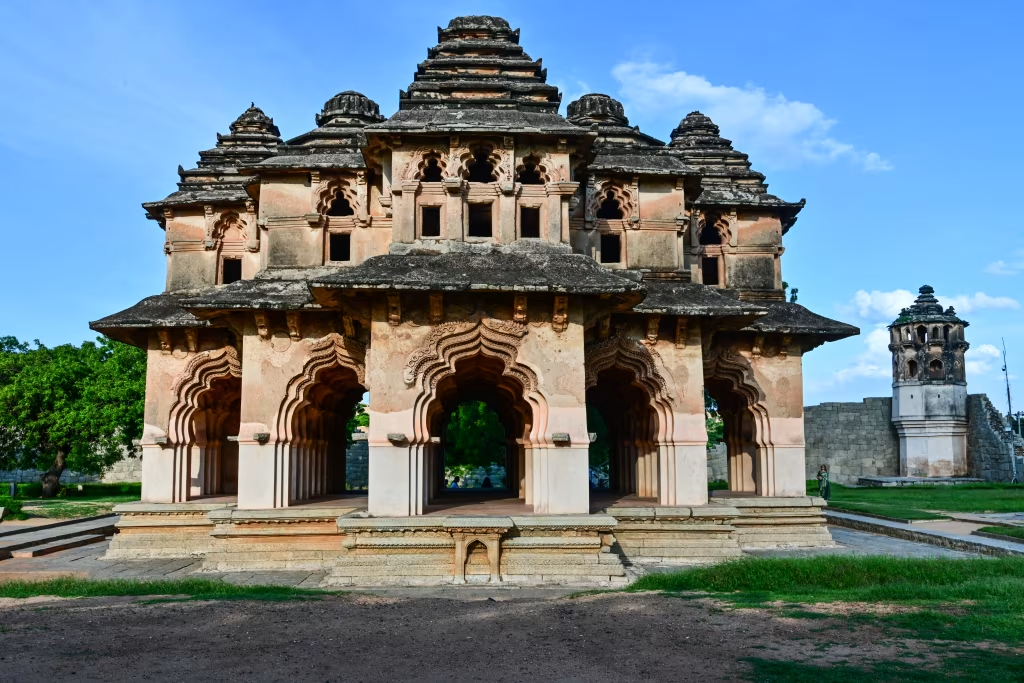
The graceful Lotus Mahal is one of the most beautiful structures in Hampi. It is located inside the royal enclosure area, which once served as the administrative and residential center of the Vijayanagara rulers.
The structure gets its name from its design, which resembles the shape of a blooming lotus. The architecture of the Lotus Mahal reflects a blend of Hindu and Indo-Islamic styles. Its arched windows, elegant balconies, and symmetrical layout make it unique among the monuments in Hampi.
Vijaya Vittala Temple
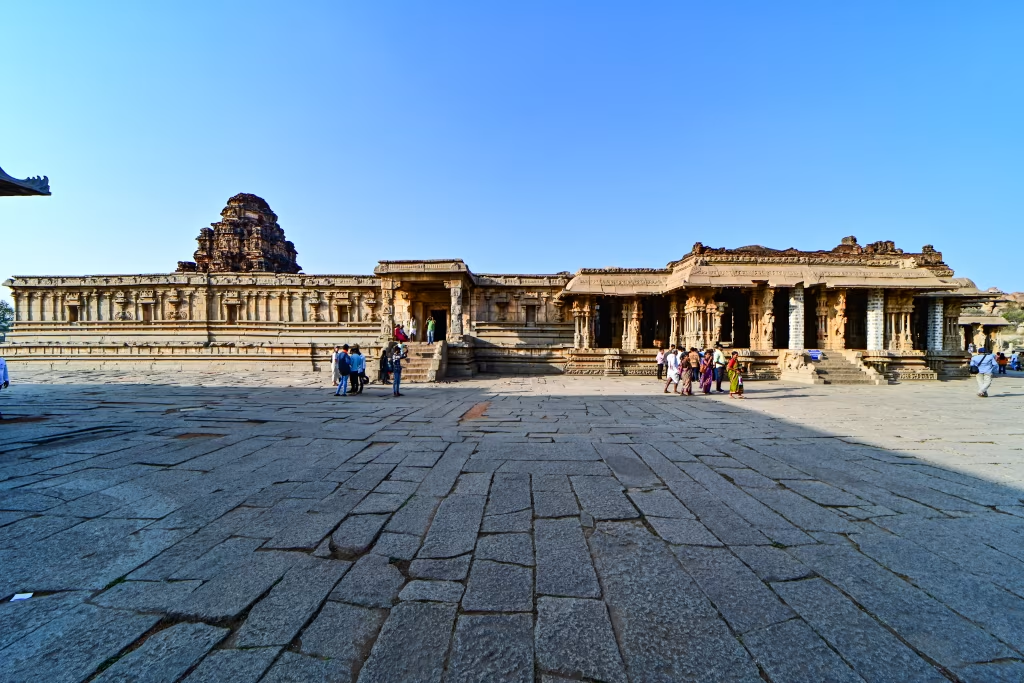
The Vijaya Vittala Temple stands as one of the finest examples of temple architecture in India. Devotees dedicated the temple complex to Lord Vittala, a form of Lord Vishnu.
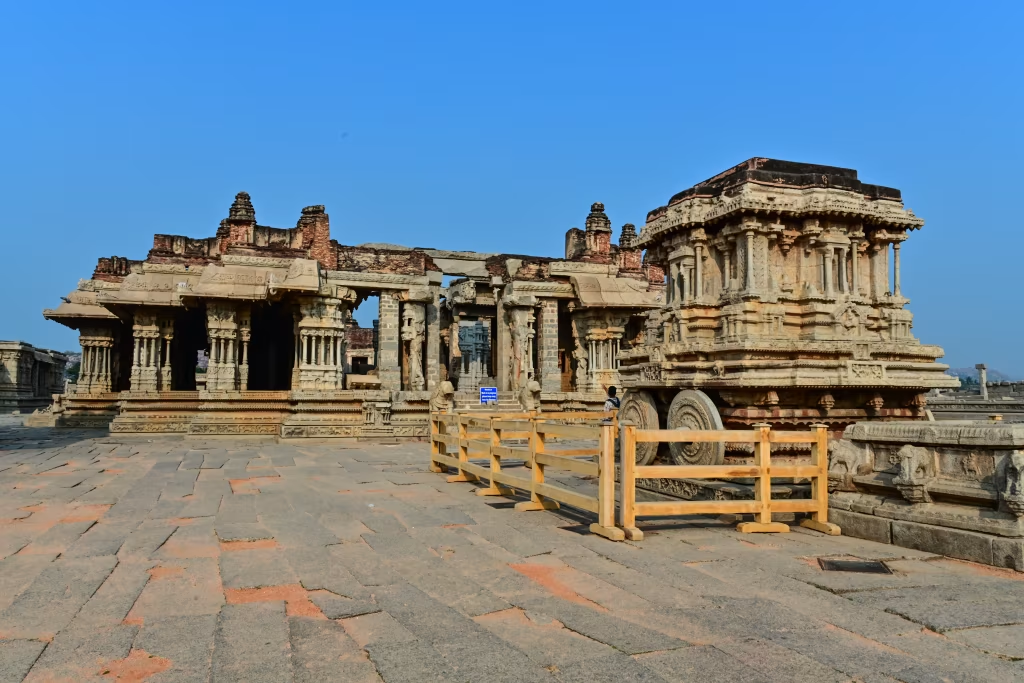
Intricate carvings and beautifully sculpted pillars make this temple famous. Craftsmen designed some of these pillars as “musical pillars,” as they produce different sounds when gently tapped.
The temple complex also houses the famous Stone Chariot, which has become the symbol of Hampi. The architectural details of this temple reflect the artistic excellence achieved during the Vijayanagara Empire.
Unique Boulder Landscape
Apart from monuments and temples, Hampi also showcases an extraordinary natural landscape. Massive granite boulders spread across the region, creating a dramatic and almost surreal scenery.
Natural processes shaped these rock formations over millions of years. They surround temples, hills, and riverbanks, giving Hampi a distinctive appearance that you cannot see anywhere else in India.
History of Hampi
The history of Hampi is closely linked to the rise of the powerful Vijayanagara Empire. For nearly three centuries, Hampi served as the capital of this great South Indian kingdom. The empire was founded in 1336 by Harihara I and Bukka Raya I. Hampi was chosen as the capital because of its natural defenses. The surrounding hills and massive granite boulders provided protection, while the Tungabhadra River supplied water and supported trade.
During the 15th and early 16th centuries, Hampi grew into one of the richest and largest cities in the world. Traders filled its markets with diamonds, silk, spices, and precious stones. During his reign, Krishnadevaraya, the most celebrated ruler of the empire, commissioned many of the famous temples and monuments that visitors see today.
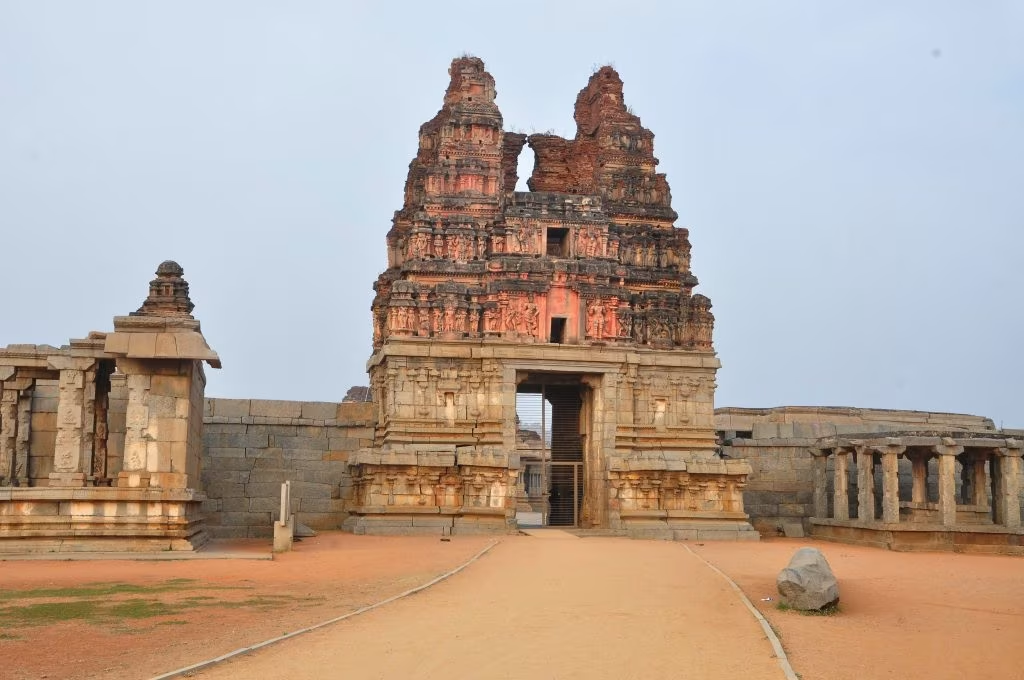
The prosperity of Hampi came to an end in 1565 after the Battle of Talikota. A coalition of Deccan Sultanates defeated the Vijayanagara army. Soon after, invaders attacked, looted, and largely destroyed the city. Over time, people abandoned the once-great capital.
Today, the ruins of Hampi still stand as a reminder of that magnificent empire. Because of its historical and cultural importance, UNESCO declared the site a World Heritage Site in 1986.
Top Places to Visit in Hampi
The following places are among the most interesting Hampi tourist places that visitors should not miss.
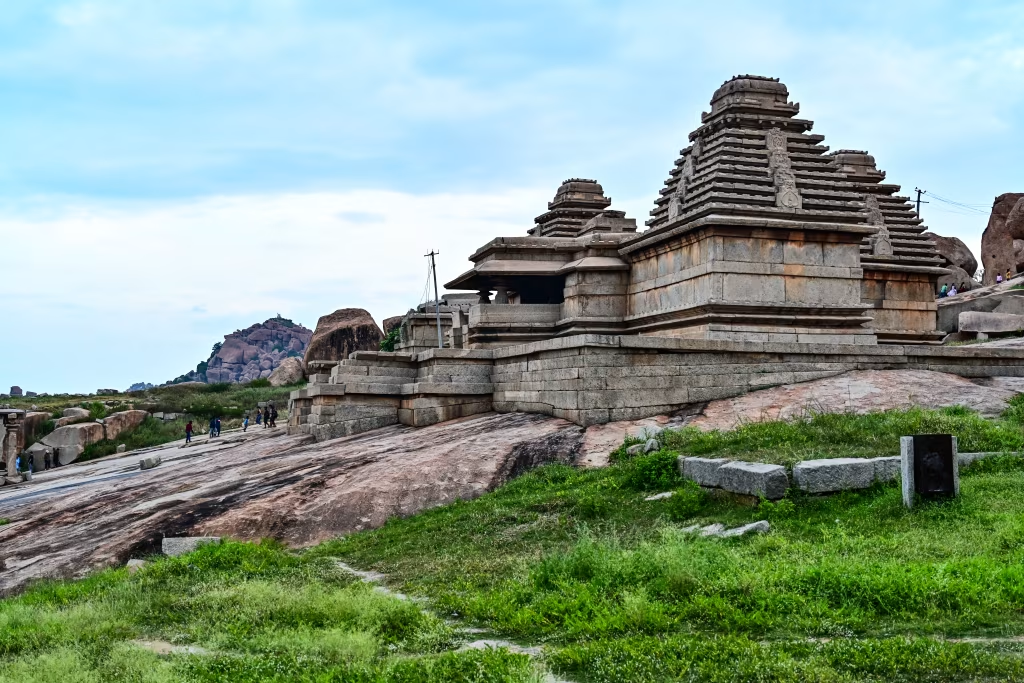
Hemakuta Hill
Hemakuta Hill stands as one of the most scenic spots in Hampi. A cluster of small ancient temples from the early Vijayanagara period defines the hill.
From the top, visitors can enjoy beautiful views of the surrounding ruins and landscape. The area becomes especially popular during sunrise and sunset, when golden light falls on the temples and boulders. Its peaceful atmosphere draws travelers who seek quiet moments away from the crowds.
Ugra Narasimha Statue
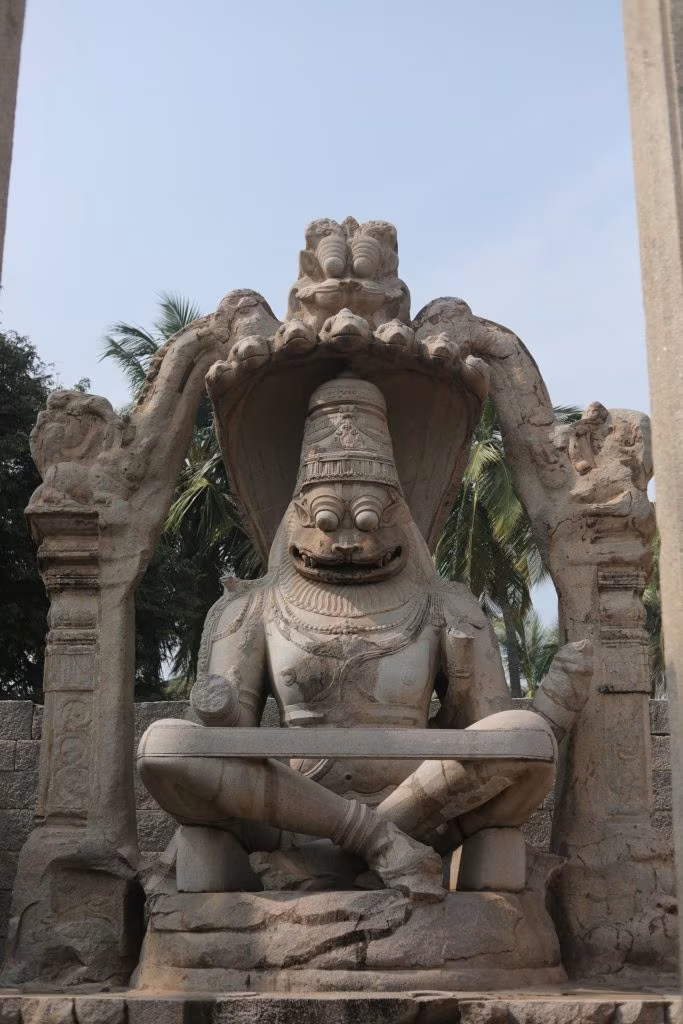
The Ugra Narasimha is one of the most striking sculptures in Hampi. This massive statue represents Lord Narasimha, an avatar of Lord Vishnu. Carved from a single granite rock, the statue stands about 6.7 meters tall. People consider it the largest monolithic sculpture in Hampi. The fierce expression of the deity and the intricate carvings make it a powerful representation of Vijayanagara artistry.
Elephant Stables
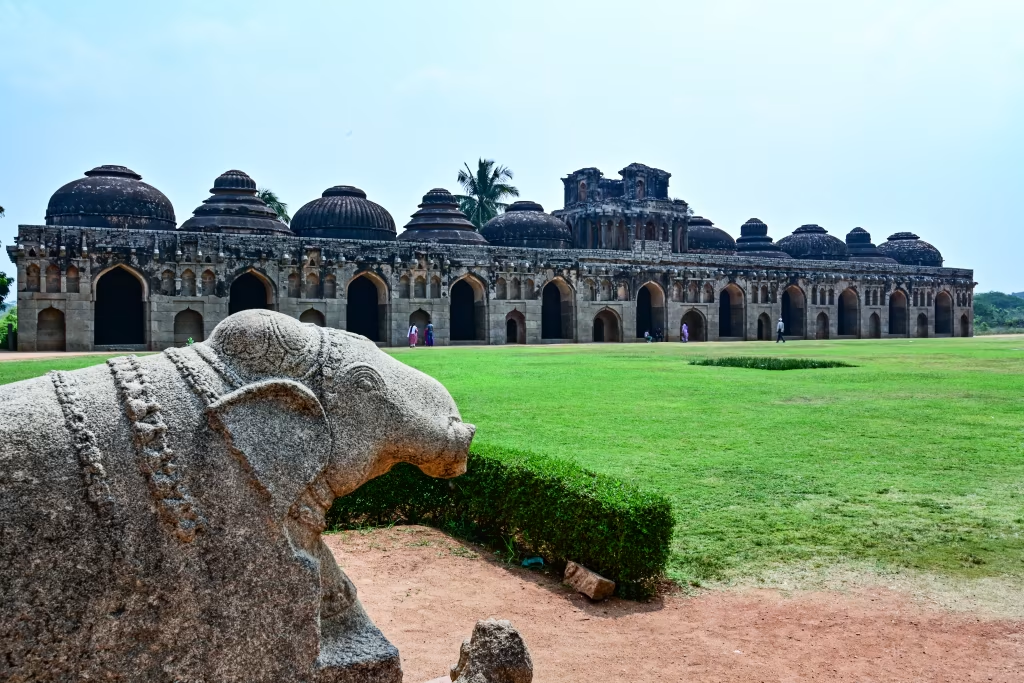
The Elephant Stables is another impressive structure from the Vijayanagara period. The empire used this long building to house its royal elephants. The structure consists of eleven large domed chambers connected by arched corridors. The architecture shows a unique blend of Hindu and Indo-Islamic styles. Each dome has a slightly different design, which adds to the beauty of the monument.
Queen’s Bath
The Queen’s Bath used to be a private bathing pavilion used by the royal family. The structure is located near the royal enclosure area. From the outside, the building appears simple. However, the interior reveals a large square pool surrounded by ornate balconies and corridors. Designers created the bath with decorative arches and windows, giving it an elegant royal atmosphere. Engineers supplied water to the bath through an ancient aqueduct system, demonstrating the advanced engineering skills of the Vijayanagara period.
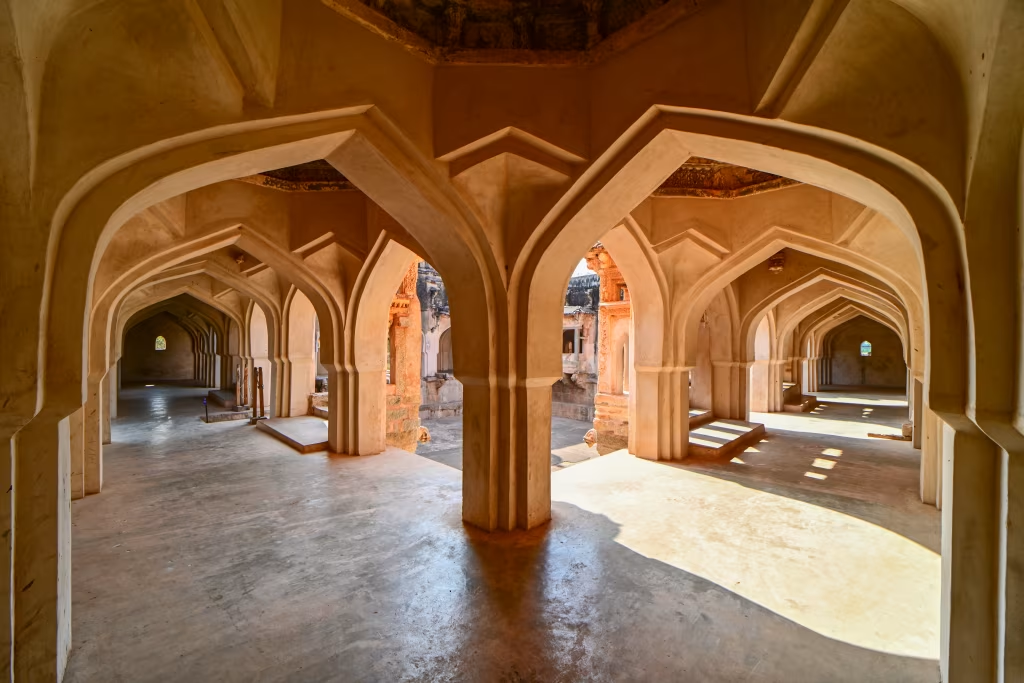
Matanga Hill
Matanga Hill is considered the highest point in Hampi. The hill is famous for offering some of the most breathtaking panoramic views of the entire landscape. Visitors often climb the hill early in the morning to watch the sunrise over the ruins and the Tungabhadra River. The climb involves walking through rocky paths and ancient steps, but the view from the top is worth the effort.
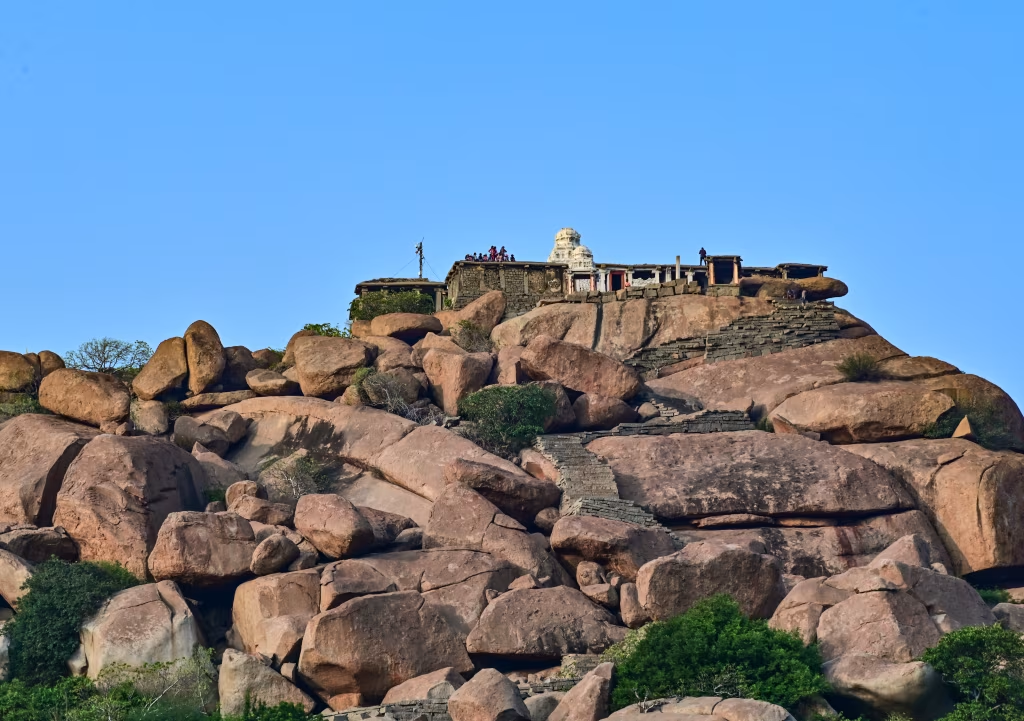
Sasivekalu Ganesha
Artisans carved the Sasivekalu Ganesha as a large statue of Lord Ganesha from a single rock. The statue is about 2.4 meters tall and is located on the slopes of Hemakuta Hill. The name “Sasivekalu” refers to mustard seeds, as the shape of the deity’s belly resembles a mustard seed. The statue is placed inside an open pavilion supported by pillars.
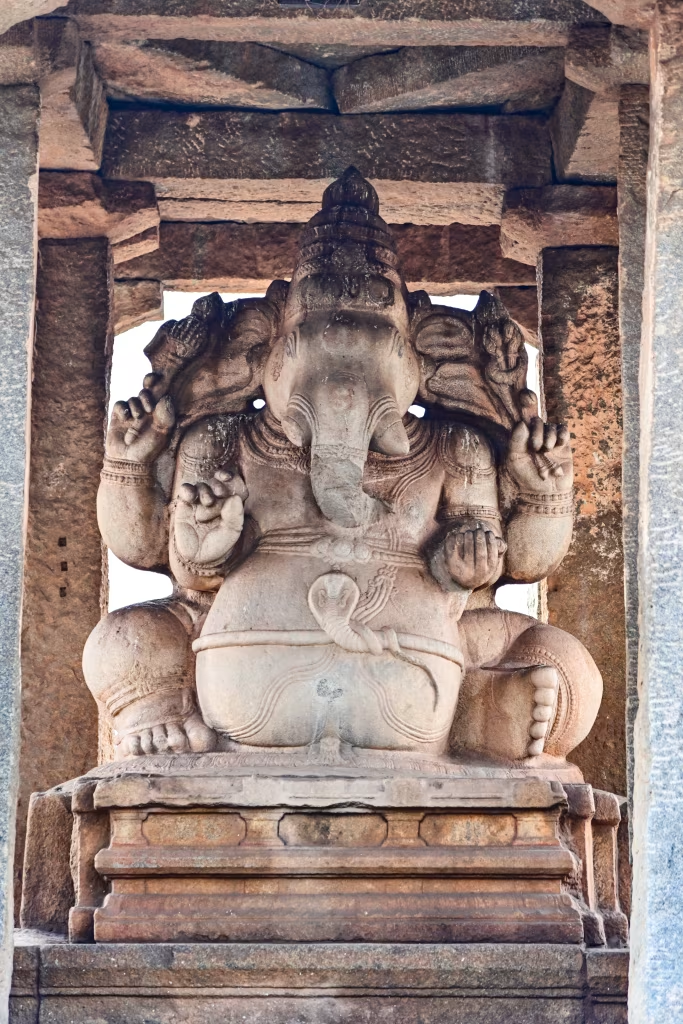
Hampi Bazaar
Hampi Bazaar is one of the most historically significant areas in Hampi. During the peak of the Vijayanagara Empire, the bazaar was a vibrant commercial center. Traders from different regions gathered here to sell valuable goods such as precious stones, silk, spices, and horses. Historical accounts mention that traders traded diamonds and pearls in this busy market street.
Today, the bazaar appears as a long stretch of stone pavilions and ruined mandapas lining both sides of the road. Although the market is no longer active, the remains still reflect the importance of trade in the ancient city.
Things to Do in Hampi
Visitors to Hampi can enjoy several experiences beyond exploring temples and ruins. The dramatic boulder landscape and the scenic Tungabhadra River create opportunities for relaxing and adventurous activities.
Coracle Boat Ride
Take a traditional round coracle boat ride on the Tungabhadra River and enjoy scenic views of the rocky landscape.
Cycling Through the Ruins
Rent a bicycle and explore the vast heritage site at your own pace. Many monuments and viewpoints can be easily reached this way.
Rock Climbing
Hampi’s natural granite boulders make it a well-known spot for rock climbing and bouldering enthusiasts.
Sunrise and Sunset Views
Climb viewpoints like Matanga Hill to enjoy stunning sunrise or sunset views across the ruins.
Visit Hippie Island
The nearby village of Virupapur Gadde, often called Hippie Island, is known for its relaxed atmosphere, cafés, and scenic surroundings.
Best Time to Visit Hampi
The best time to visit Hampi is during the cooler months when Hampi weather is pleasant and comfortable for sightseeing. Winter (October – February) is the best season to explore Hampi. The Hampi temperature ranges between 15°C and 30°C, making it ideal for visiting monuments and outdoor activities.
Festivals & Events in Hampi
Several cultural events and festivals are celebrated in Hampi, attracting visitors from across the country. These events highlight the rich traditions and heritage of the region.
Hampi Utsav
The most famous festival in Hampi, usually held between November and January. The event features cultural performances, music, dance shows, and traditional processions set against the historic ruins.
Know more about the Hampi Utsav
Religious Celebrations
Festivals at the Virupaksha Temple, especially during Maha Shivaratri, attract large numbers of devotees and visitors.
How to Reach Hampi
Hampi is well connected by air, rail, and road, making it accessible from major cities in Karnataka and nearby states.
- By Air: The nearest airport is Jindal Vijaynagar Airport, about 40 km from Hampi. The nearest international airport is Kempegowda International Airport.
- By Train: The nearest railway station to Hampi is Hosapete Junction, located about 13 km away.
- By Road: Hampi has good road connectivity. The Bangalore to Hampi distance is about 340 km, which takes around 6–7 hours by car or bus.
Local taxis, buses, and rental bikes are available from Hosapete to reach Hampi and nearby attractions.
Where to Stay in Hampi
Visitors traveling to Hampi can find a variety of accommodation options suitable for different budgets and travel preferences. The area offers everything from comfortable guesthouses and homestays to modern hotels and luxury resorts. Many travelers prefer staying within Hampi to experience the historic surroundings and easy access to major monuments.
Places to Visit Near Hampi
Several interesting destinations can be explored around Hampi. These places offer scenic landscapes, wildlife experiences, and historic sites.
Tungabhadra Dam (Hosapete)
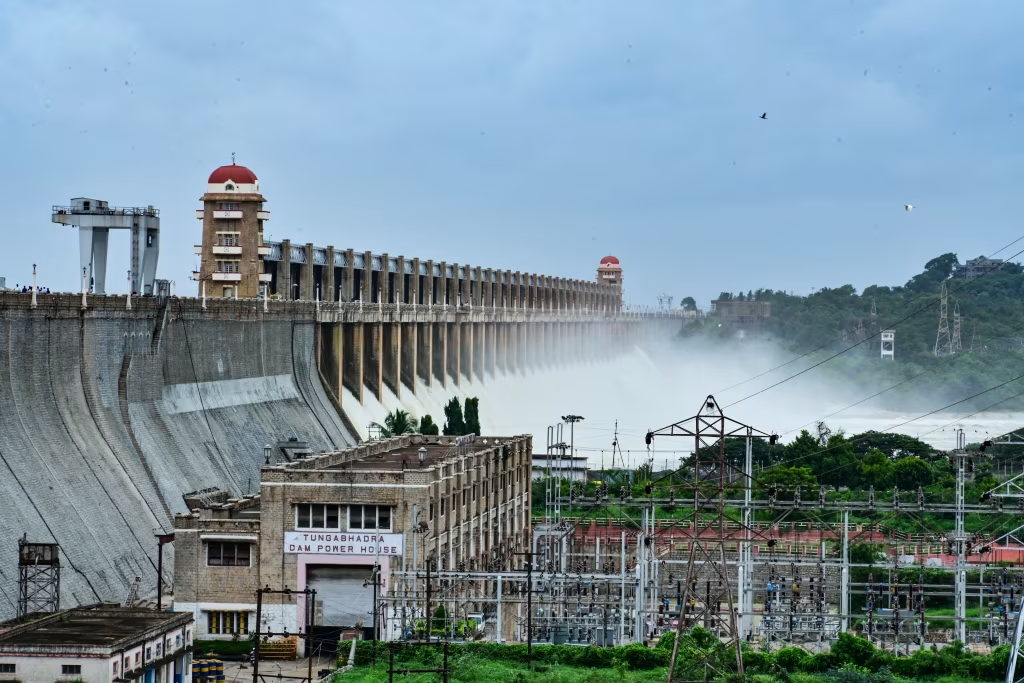
A popular viewpoint located about 15 km from Hampi, known for its gardens and scenic reservoir views.
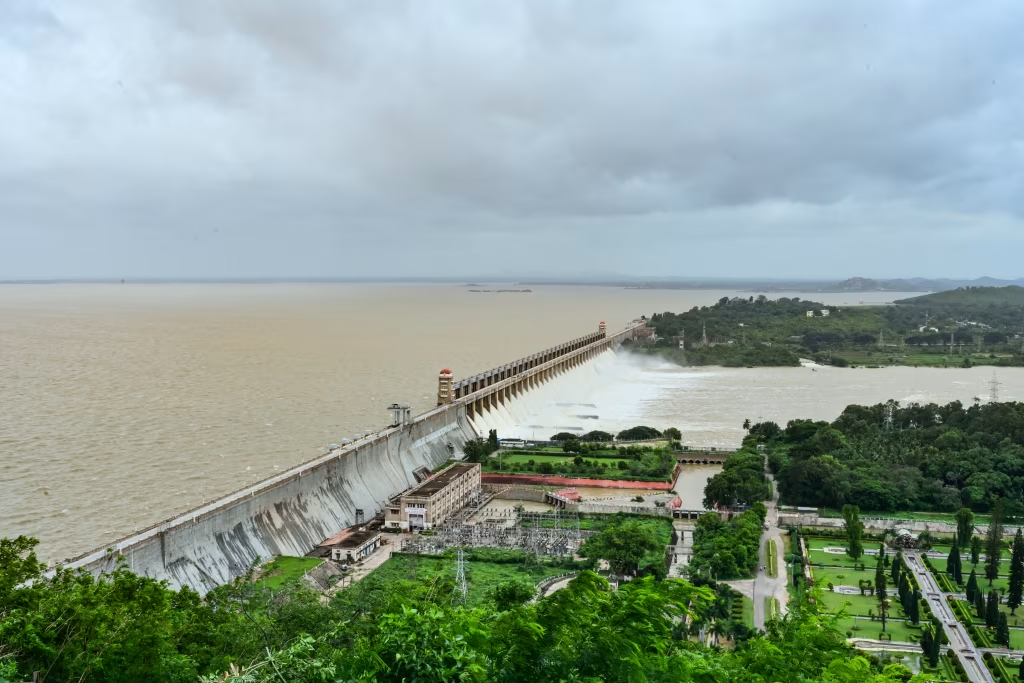
Anegundi
Anegundi is a heritage village across the Tungabhadra River, believed to be older than Hampi and associated with stories from the Ramayana.
Daroji Sloth Bear Sanctuary
Located about 25 km away, this sanctuary protects Indian sloth bears and other wildlife.
Sanapur Lake
A scenic lake popular for coracle rides, cliff jumping, and sunset views.
Nearby Districts to Explore
Ballari District
Home to Hampi and known for historic temples and mining heritage.
Koppal District
Known for historic sites like Anegundi and ancient forts.
Vijayanagara District
A historically significant region named after the Vijayanagara Empire.
Gadag District
Famous for historic temples and traditional architecture.
Experience Hampi
Where silent stones echo with stories of kings, craftsmen, and devotion, Hampi invites you to slow down, look closer, and walk through the grandeur of Karnataka’s timeless past. Visitors can explore the heritage site by walking through the ruins, cycling across the historic landscape, or taking the Hampi Buggy Train to conveniently see several important monuments. Each experience reveals a different side of this remarkable UNESCO World Heritage destination.
Visit Hampi to get captivated by its rich history, scenic beauty, and make memorable experiences!
FAQ
Where is Hampi located?
Hampi is located in Ballari District in the state of Karnataka, along the banks of the Tungabhadra River. It lies about 340 km from Bengaluru.
What is Hampi famous for?
Hampi is famous for its ancient ruins, temples, and unique boulder landscapes. It was once the capital of the Vijayanagara Empire and is known for monuments such as the Stone Chariot, Virupaksha Temple, and Lotus Mahal.
What is the best time to visit Hampi?
The best time to visit Hampi is between October and February, when the weather is cooler and comfortable for exploring monuments and outdoor attractions.
What is the nearest railway station to Hampi?
The nearest railway station is Hosapete Junction, located about 13 km from Hampi.
How far is Hampi from Bangalore?
The distance between Bengaluru and Hampi is approximately 340 km, and the journey usually takes 6–7 hours by road.
What is the Stone Chariot in Hampi?
The Stone Chariot is an iconic granite structure located inside the Vijaya Vittala Temple complex.What is Lotus Mahal in Hampi?
The Lotus Mahal stands as a unique structure in the royal enclosure area of Hampi. Its lotus-shaped design and blend of Hindu and Indo-Islamic architectural styles make it well known.
Is Hampi a UNESCO World Heritage Site?
Yes, UNESCO declared Hampi a World Heritage Site in 1986 because of its exceptional historical and architectural significance.
How many days are needed to explore Hampi?
Visitors typically need 2 to 3 days to explore Hampi comfortably, covering its major temples, monuments, and landscapes at a relaxed pace.
What is the entry fee for Hampi temples?
Most temples in Hampi are free to enter. However, monuments like the Vijaya Vittala Temple have an entry fee of around ₹40 for Indian visitors and ₹600 for foreign tourists (subject to change).