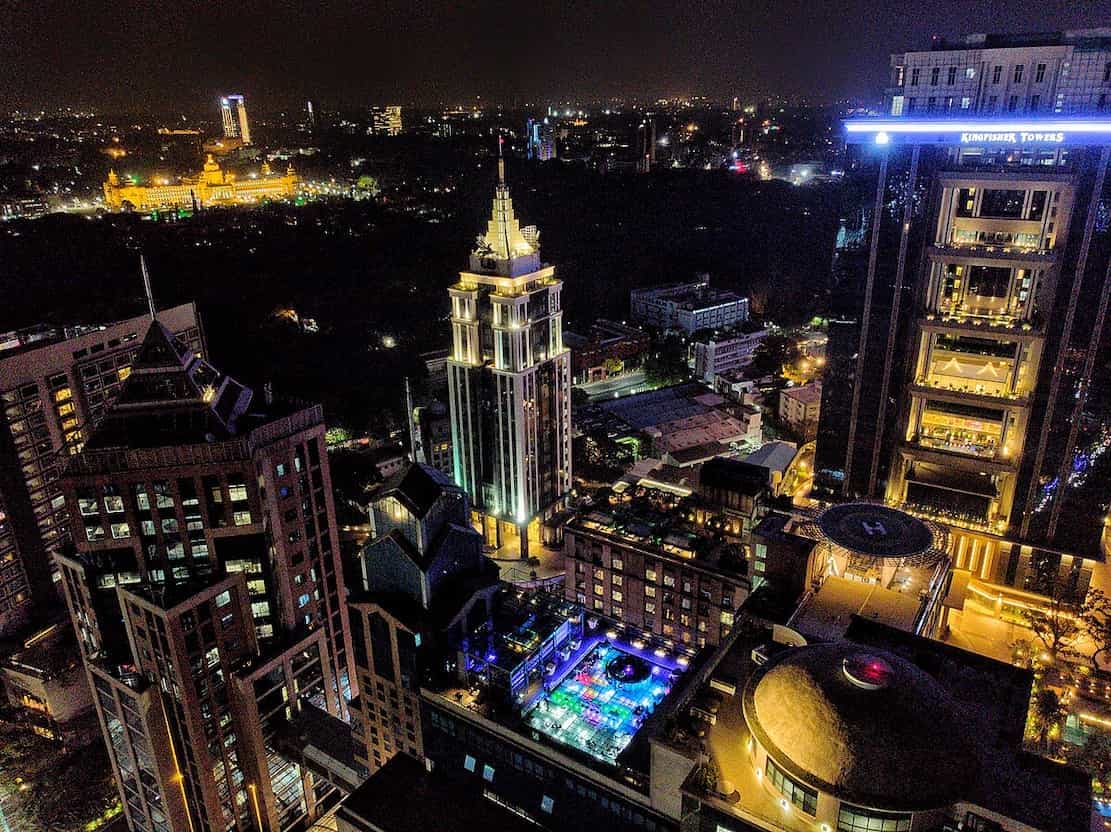
Dynamic yet deeply rooted, Bengaluru is a city of many layers. Known globally as India’s technology capital, Bengaluru is equally celebrated for its gardens, historic institutions, thriving art scene, and a lifestyle shaped by openness and diversity. Beneath its modern skyline lies a city with a long history, shaped by dynasties, colonial influences, and a strong civic culture.
Bengaluru’s charm lies in its contrasts. Century old markets exist alongside contemporary cafes, tree lined avenues soften the pace of urban life, and heritage buildings stand quietly beside centres of innovation. Whether you are exploring history, nature, food, or creative spaces, the city offers experiences that are both enriching and effortlessly engaging.
The Heritage & Civic Circuit (Architecture & History)
Bengaluru’s past is visible through its palaces, government buildings, and neighbourhood landmarks.
Bengaluru Palace
Bengaluru Palace is a 19th-century royal residence in the heart of Bengaluru, India, modeled on Windsor Castle in England. Built for the Wadiyar dynasty of Mysore, it remains one of the city’s most recognizable landmarks. Inspired by Tudor architecture, this palace reflects royal lifestyles through its ornate interiors, courtyards, and sprawling grounds.
Tipu Sultan’s Summer Palace
This is a historic Indo-Islamic palace located in the heart of Bengaluru, India. Built in the late 18th century, it served as the summer retreat of Tipu Sultan, the ruler of the Kingdom of Mysore. Built primarily of teakwood, this structure showcases Indo Islamic architecture and offers insight into the city’s pre colonial history.
Vidhana Soudha
An imposing symbol of governance, this granite structure blends Dravidian and modern architectural styles and stands as one of the city’s most recognisable landmarks.
KR Market
One of the largest wholesale markets in the city, offering a vivid glimpse into everyday trade, colours, and local rhythms.
Gardens, Lakes & Outdoor Spaces
Often called the Garden City, Bengaluru is known for its green retreats and open spaces.
Lalbagh Botanical Garden
Lalbagh Botanical Garden is a 240-acre botanical park in the heart of Bengaluru, India. Established in 1760 by Hyder Ali and expanded by Tipu Sultan, it is one of the oldest and most prominent gardens in South Asia. Renowned for its vast plant diversity and historic landmarks, Lalbagh serves as both a horticultural research center and a major cultural attraction.
Cubbon Park
Cubbon Park (officially Sri Chamarajendra Park) is a historic urban green space in central Bengaluru, India. Established in 1870, it spans roughly 300 acres and serves as the city’s primary “lung,” blending botanical diversity with colonial-era architecture. It remains a cultural, recreational, and ecological landmark central to Bengaluru’s identity as the “Garden City.”
Lakes of Bengaluru
Water bodies such as Ulsoor Lake and Sankey Tank offer peaceful spaces for walks and leisure within the city.
Living Culture: Arts, Food & Local Life
Food & Culinary Culture
Bengaluru’s food scene reflects Karnataka’s diversity. From traditional darshinis serving idli, dosa, and filter coffee to modern eateries experimenting with regional flavours, the city is a paradise for food lovers.
Arts, Music & Theatre
The city hosts a vibrant cultural calendar with classical music concerts, theatre productions, art exhibitions, and literary events held across cultural centres and open venues.
Shopping & Local Markets
From traditional silk, handicrafts, and spices to contemporary design stores and street markets, Bengaluru offers shopping experiences that blend heritage with modern taste.
Festivals & Events
Karaga Festival
Season: March or April
Why it matters: One of the oldest festivals of Bengaluru, celebrated with deep devotion and processions through the old city.
Flower Shows at Lalbagh
Season: January and August
Why it matters: These exhibitions transform Lalbagh into a floral spectacle, drawing visitors from across Karnataka.
Nature Escapes Around the City
Bengaluru’s outskirts offer scenic relief from urban life.
Nandi Hills
A popular hill destination known for sunrise views, cool breezes, and historic fortifications, ideal for early morning outings.
Traveller Information
Connectivity
By Air: Kempegowda International Airport serves as Karnataka’s primary aviation hub.
By Rail: Multiple railway stations connect Bengaluru to all regions within the state.
By Road: An extensive road network links the city to major towns and districts across Karnataka.
Best Time to Visit
You can visit Bengaluru all year round. However, October to February offers pleasant weather for sightseeing, outdoor walks, and cultural exploration.
Suggested Itinerary
Day 1: Bengaluru Palace, KR Market, Cubbon Park, cultural evening.
Day 2: Lalbagh Botanical Garden, museums, local food exploration.
Day 3: Early morning trip to Nandi Hills, lakeside walks, shopping.
Nearby Districts & Important Towns
As Karnataka’s capital, Bengaluru is well connected to several districts that expand travel possibilities within the state.
- Bengaluru Rural: Known for scenic hills, lakes, and heritage forts.
- Ramanagara: Famous for rocky landscapes, silk production, and film locations.
- Tumakuru: Known for temples, hills, and spiritual centres.
- Kolar: A historic district with forts, temples, and traditional towns.
Experience Bengaluru
A city that grows without forgetting its roots, Bengaluru welcomes travellers with open spaces, layered histories, and a spirit of innovation that feels both energising and familiar. Here, Karnataka’s past, present, and future meet in everyday moments worth exploring.