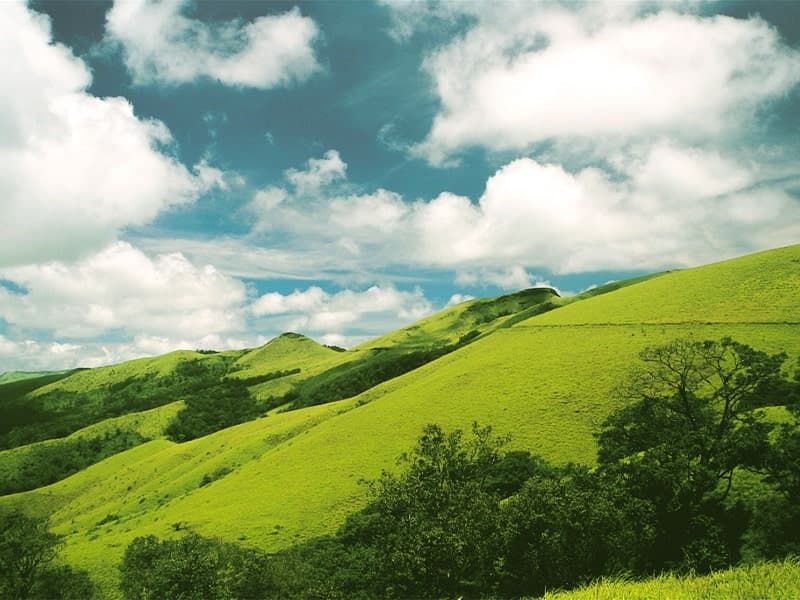
Chikkamagaluru sits in the folds of the Western Ghats at an altitude that keeps the air cool, the skies dramatic, and the coffee aroma constant. This Karnataka hill district earned its name, “younger daughter’s town” in the local tongue, as part of a royal dowry legend.
Today, it draws travellers who want misty peaks, thundering waterfalls, ancient temples, and the meditative calm of a coffee estate stretched across a hillside. Whether you are driving up from Bangalore for a long weekend or planning a week-long deep dive into the Ghats, Chikkamagaluru rewards every kind of traveller.
Often called the coffee capital of Karnataka, Chikkamagaluru is famous for more than its brews. It is Karnataka’s highest peak, its most scenic trekking corridors, cascading waterfalls that come alive after the monsoon, and temple towns tucked into forested ridges. Read on for everything you need to plan a perfect trip, from the top Chikkamagaluru tourist places and best waterfalls to the ideal itinerary and where to stay.
Top Tourist Places in Chikkamagaluru
Chikkamagaluru packs an extraordinary range of attractions into a relatively compact district. Here are the must-visit spots:
1. Mullayanagiri Peak
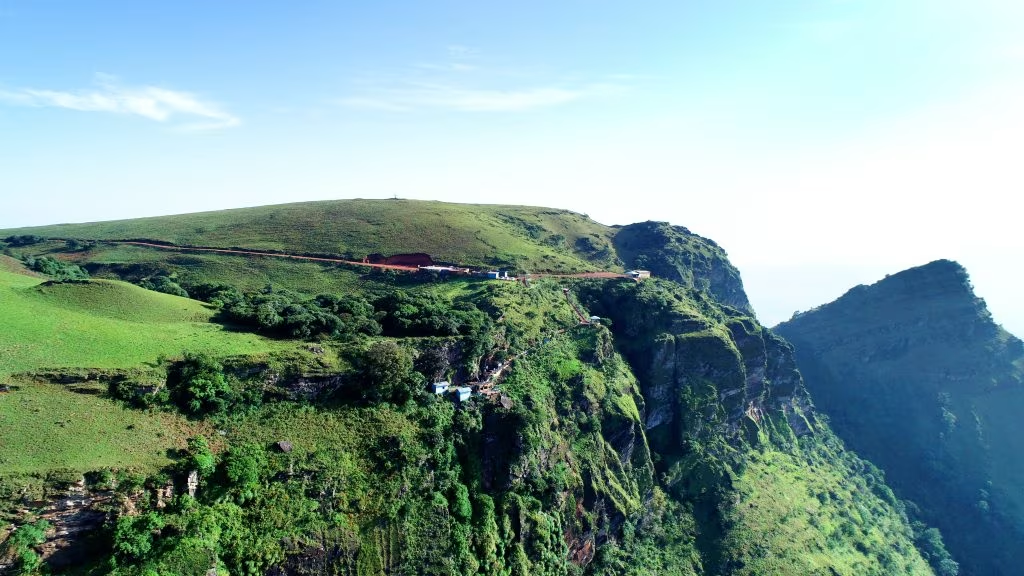
Standing at 1,930 metres, Mullayanagiri is the highest peak in Karnataka, and visiting it is an experience that puts the entire Western Ghats landscape in perspective. A paved road gets you most of the way, while the final ascent involves a stone-stepped climb through windswept slopes to a small Shiva temple at the summit. Clouds drift in and out at the top, and on clear days, the panorama stretches from the coffee estates below to distant mountain ridges. Plan your visit for early morning when visibility peaks and the place is crowd-free.
2. Baba Budangiri Hills
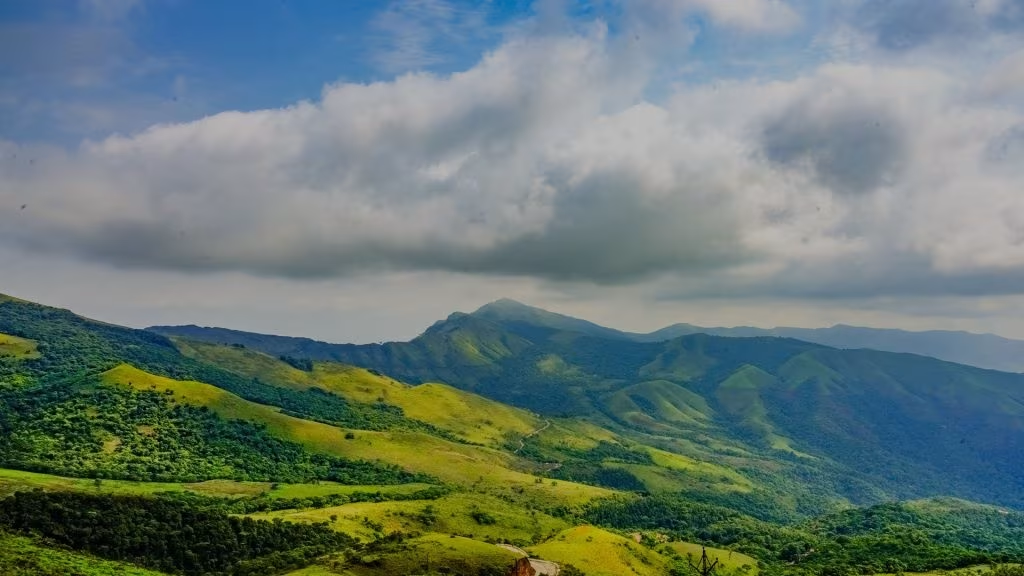
This mystical hill range carries a dual heritage that makes it unlike any other spot in Karnataka. Sufi saint Baba Budan reportedly brought coffee seeds from Yemen to India in the 17th century and planted them here, making Baba Budangiri the true birthplace of Indian coffee cultivation. The hills also house the Dattatreya Peetha shrine, a place of pilgrimage for both Hindus and Muslims who have shared this sacred ground for centuries. The Z Point viewpoint here offers one of the most dramatic vistas in the entire district, especially at sunrise and sunset.
The Z Point viewpoint near Kemmanagundi takes its name from the zigzag road visible below. This is one of Chikkamagaluru’s most photographed spots, a cliff edge that opens onto a sweeping valley view with coffee estates, mist-filled gorges, and forested slopes filling the frame. Sunrise and sunset visits turn the landscape golden and are worth the early alarm or the patient wait.
3. Kudremukh National Park
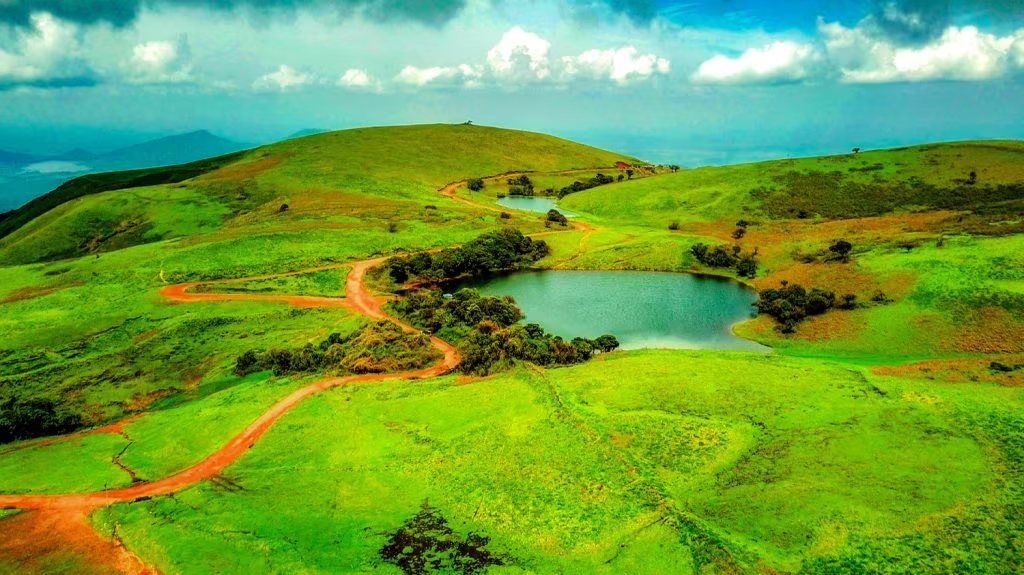
The Kudremukh range, meaning “horse face” in Kannada, after the shape of one of its prominent peaks, is one of the most biodiversity-rich areas in the entire Western Ghats. The national park sprawls across shola forests and grasslands that shelter leopards, gaur, lion-tailed macaques, and hundreds of bird species. Visitors can explore the park on guided treks to Kudremukh peak or simply drive through the forested corridor to Kalasa town. Entry requires a permit from the Forest Department.
4. Hebbe Falls
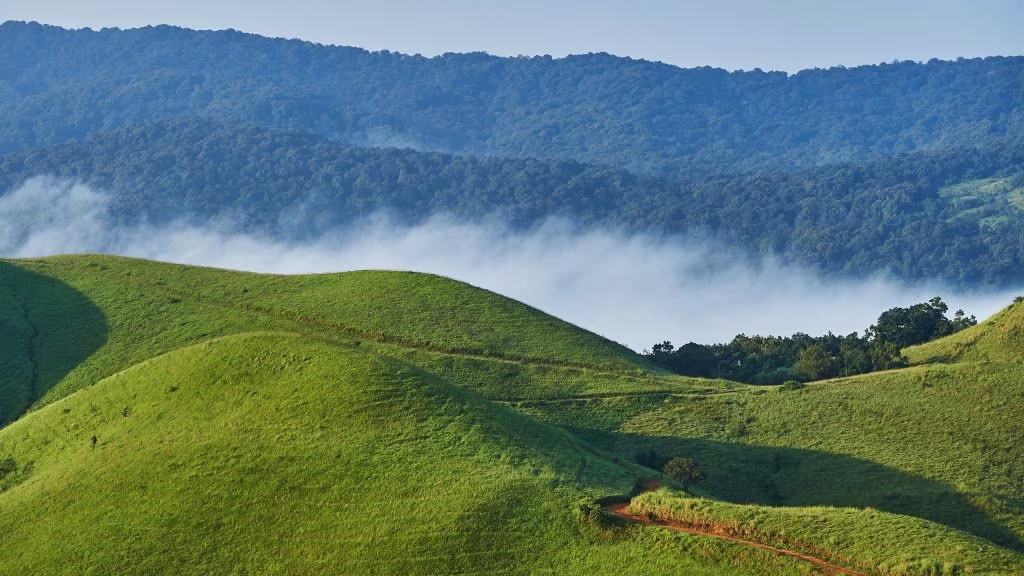
Hebbe Falls drops 168 metres in two tiers, the upper Dodda Hebbe and the lower Chikka Hebbe, through dense forest inside the Bhadra Tiger Reserve buffer zone. Getting there is part of the adventure: jeeps from the Kemmanagundi area wade through coffee estate roads and forest tracks. The pool at the base of the falls makes this one of the best natural swimming spots in Chikkamagaluru. Post-monsoon visits (September to November) deliver the fullest flow, while summer visits are easier to access.
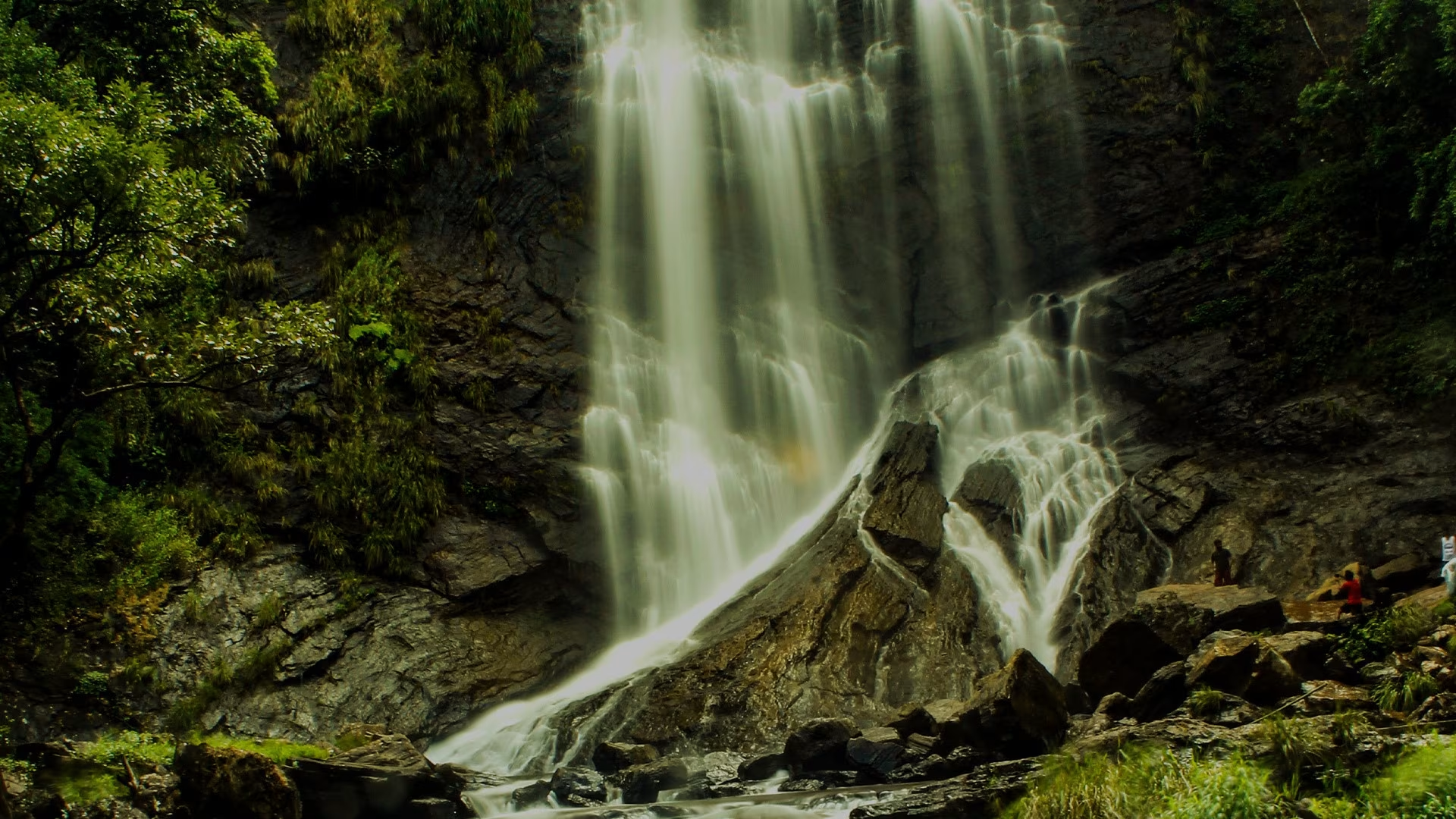
5. Jerry Falls (Jhari Falls)
Jerry Falls, also written as Jhari Falls, is a less-visited waterfall near Chikkamagaluru town that rewards travellers willing to venture off the main circuit. Set inside a forested gorge, the falls flow year-round but are most dramatic in the monsoon and early winter. The hike to the base passes through tall trees and rocky terrain, making it a favourite for photographers and nature walkers seeking quiet over crowds.
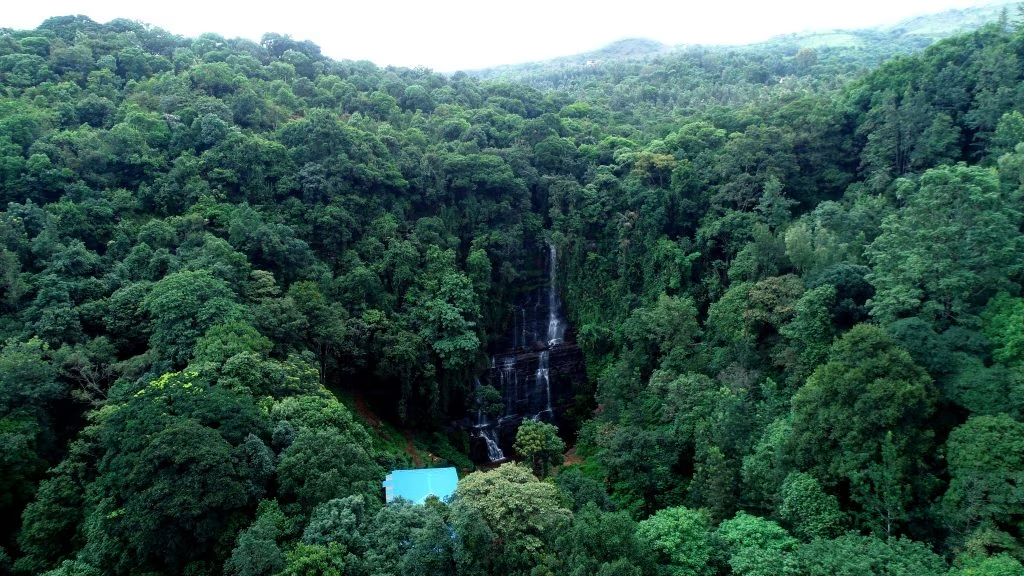
6. Kalhatti Falls
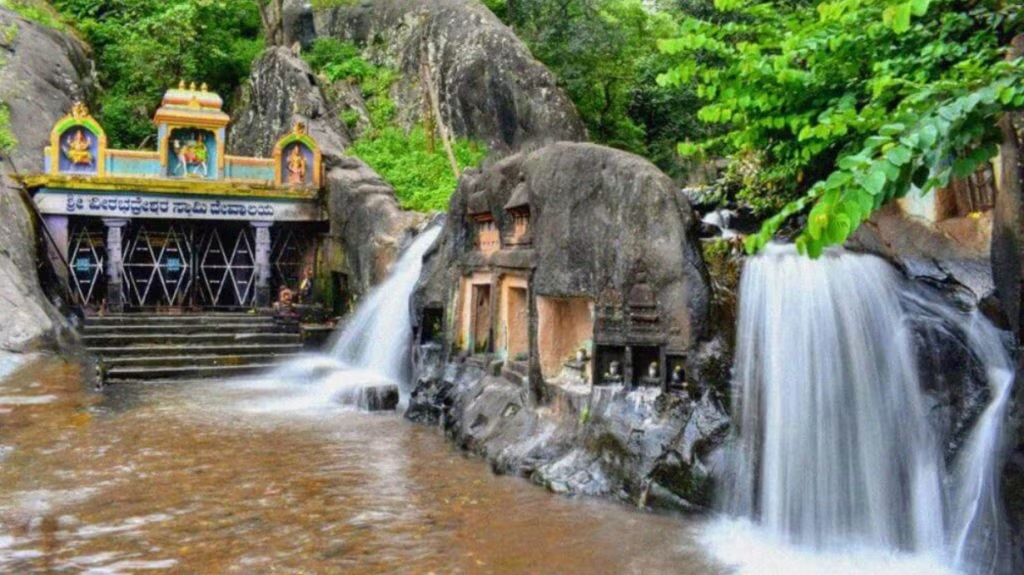
Near Baba Budangiri, Kalhatti Falls pours over a rock face beside a small ancient temple, creating a setting where nature and devotion intersect naturally. The walk to the falls is short and relatively easy, making it accessible for families and casual walkers. The surrounding forest is alive with birdlife, and the combination of waterfall, temple, and woodland makes this a memorable stop on the Baba Budangiri circuit.
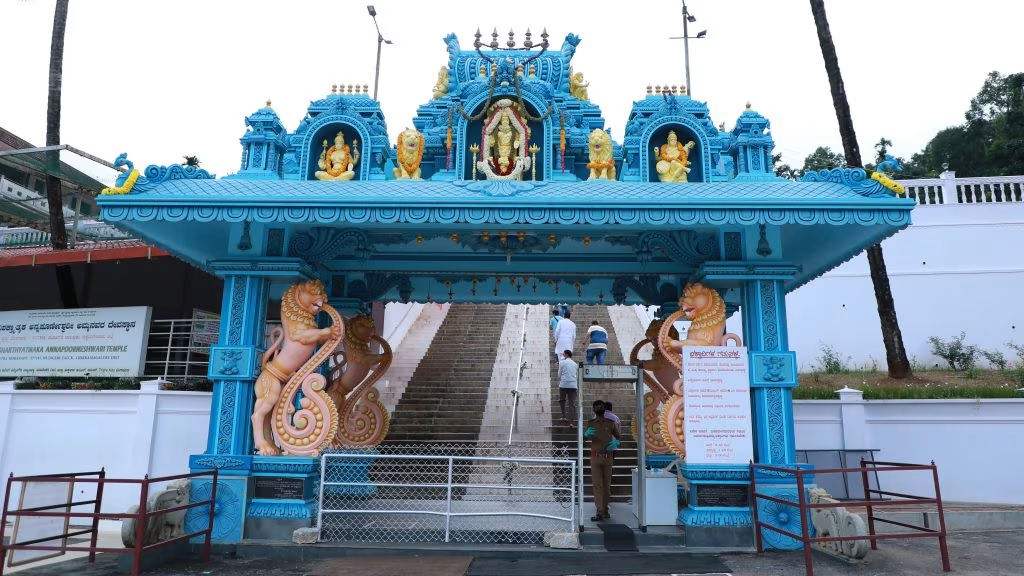
7. Horanadu- Sri Annapoorneshwari Temple
Located beside the Bhadra River at the edge of dense forest, the Sri Annapoorneshwari Temple at Horanadu is one of Karnataka’s most revered Shakti shrines. The goddess here is worshipped as the provider of food, and the temple serves free meals to thousands of devotees daily. The river, forest, and temple together create an atmosphere of unusual serenity. The drive to Horanadu through the Ghats, 100 kilometres from Chikkamagaluru town, is itself a scenic highlight.
8. Coffee Estate Trails
Walking through a working coffee plantation is one of Chikkamagaluru’s signature experiences. Many estates around the town and along the Baba Budangiri road offer guided walks through rows of Arabica and Robusta shrubs growing under shade trees. You see the full arc from cherry to cup, planting, pruning, harvesting, and processing.
Things to Do in Chikkamagaluru
Trekking
Chikkamagaluru is one of Karnataka’s best trekking destinations, with trails that range from easy ridge walks to full-day high-altitude climbs. The Mullayanagiri trek via the Sarpadhari route is a half-day adventure suitable for most fitness levels. The Kudremukh peak trek covers 22 kilometres through the shola forest and grassland and requires a permit. The Ballalarayana Durga trek leads to a ruined 10th-century fort hidden in the forest at 1,509 metres. Carry water, wear layered clothing, and hire a local guide for forest treks. Sudden mist and rain are common even outside the monsoon.
Wildlife Safaris
The Bhadra Tiger Reserve and Kudremukh National Park offer wildlife encounters for those who venture deeper into the forest. The Bhadra reservoir boat safari is a popular way to spot deer, elephants, and waterbirds from the water. Spotted deer, jungle fowl, hornbills, and the occasional leopard sighting make every safari memorable.
Camping
Several resorts and forest camp operators run camping programmes near Chikkamagaluru town, along the Bhadra reservoir, and on hillside estates. Overnight camps come alive after dark when temperatures drop, and the sky fills with stars. Many camps pair bonfires with local storytelling and a hearty estate-style dinner.
Waterfall Chasing
Beyond Hebbe and Kalhatti, Chikkamagaluru hides waterfalls that reward curious travellers willing to explore. Manikyadhara Falls near Baba Budangiri is a year-round cascade with spiritual significance; devotees collect its water for rituals. Hanuman Gundi Falls near Kalasa drops through a narrow gorge into a clear pool. Pandina Betta Falls near Mudigere is accessible during the monsoon when it erupts dramatically. Chase falls in sequence along a single route to make the most of each day.
Coffee Tourism
Sign up for a plantation tour to understand how India’s coffee story began on these slopes. Many estates offer half-day experiences covering the full cultivation cycle. Some resorts have on-site processing units where you can watch pulping, fermentation, and drying in action before sitting down to a cupping session that teaches you to distinguish between estate varieties. October and November, during harvest season, are the best months for this experience.
Best Time to Visit Chikkamagaluru
Chikkamagaluru is a year-round destination, but each season offers a very different experience.
- October to February (Best Season): This is peak season with clear skies, cool temperatures between 10°C and 25°C, and ideal trekking conditions. Coffee estates are active during harvest (October–November), making it the richest time for plantation experiences. Viewpoints such as Z Point and Mullayanagiri offer their clearest panoramas during these months.
- March to May (Summer): Temperatures are warmer but still manageable at this altitude, rarely exceeding 30°C. Waterfalls may run lower, but the forests are lush with spring foliage. This is a good time for estate walks and birding, and crowds are thinner than in peak season.
- June to September (Monsoon): Heavy rainfall transforms Chikkamagaluru into a vivid green landscape with waterfalls at full fury. Trekking in forests becomes difficult and sometimes restricted in protected areas. However, the misty, rain-soaked scenery attracts photographers and nature lovers who accept limited mobility in exchange for extraordinary visuals.
How to Reach Chikkamagaluru
By Road from Bangalore
Chikkamagaluru is approximately 250 kilometres from Bangalore, and the drive takes 4.5 to 5.5 hours, depending on your route and traffic.
By Train
Chikkamagaluru Railway Station connects to Bangalore, Mangalore, and other cities in Karnataka. However, train services are limited in frequency. Most travellers prefer to take a train to Hassan (which has better connectivity) and then drive or take a bus the remaining 50 kilometres to Chikkamagaluru town.
By Air
The nearest major airport is Kempegowda International Airport in Bangalore, approximately 260 kilometres away. Mangalore International Airport is a closer option at around 150 kilometres, with the drive taking 3 to 4 hours through scenic Ghat roads. Car rentals and taxis are available at both airports for the onward journey.
Chikkamagaluru Itinerary
3-Day Chikkamagaluru Itinerary
Day 1: Arrive & Explore Town
Arrive in Chikkamagaluru by late morning. Check into your resort or homestay and take a relaxed coffee estate tour in the afternoon. Explore the town’s small bazaar for local spice shopping and plantation-fresh coffee. Dinner at your estate property.
Day 2: Baba Budangiri Circuit
Full day on the Baba Budangiri range, Z Point at sunrise, Kalhatti Falls, Manikyadhara Falls, and the Dattatreya Peetha. Bring a picnic lunch. Return via Mullayanagiri if time permits, or save the peak for Day 3.
Day 3: Mullayanagiri & Hebbe Falls
Early start for Mullayanagiri sunrise. Drive to Kemmanagundi, take a jeep to Hebbe Falls. Afternoon at Raj Bhavan gardens before departing for Bangalore or Mangalore.
5-Day Extended Itinerary
Five days allow you to add Kudremukh National Park (Day 4, full-day trek with permit) and a visit to Horanadu Temple and Kalasa town (Day 5) before departing. This extended loop covers the full depth of the district, from its highest peak to its deepest forest and its most sacred river temple.
Where to Stay in Chikkamagaluru
These are the defining Chikkamagaluru accommodation experiences. You sleep inside a working plantation, wake to birdsong and mist, and walk out of your cottage directly into coffee rows.
Chikkamagaluru town has a growing number of locally run homestays where families rent out rooms in their estate bungalows. These are often the most authentic options, with home-cooked meals and insider knowledge of the region.
Local Food & Cuisine in Chikkamagaluru
Chikkamagaluru’s food scene reflects its geography, a blend of Malnad (Western Ghats) home cooking, Udupi vegetarian traditions, and the strong coffee culture of plantation life.
- Filter Coffee: The non-negotiable Chikkamagaluru experience. Order it at any local hotel (the local name for traditional Udupi-style eateries) and watch the server mix dark decoction with hot milk in a metal tumbler and dabara set from a height to create perfect froth.
- Akki Rotti with Chutney: Rice flour flatbread cooked on a griddle and served with coconut chutney and vegetable side dishes. A Malnad breakfast staple found in most local eateries.
- Neer Dosa: Thin, lacy rice crepes served fresh off the griddle with coconut milk curry or dry chutneys. A signature dish of the coastal Karnataka belt that is widely available across Chikkamagaluru.
- Jackfruit & Bamboo Shoot Curries: Malnad cuisine uses forest produce extensively. Seasonal dishes made with raw jackfruit, bamboo shoots, and colocasia leaves appear on estate meal menus and in local restaurants during the right months.
- Kori Rotti (for non-vegetarians): A Tulu Nadu signature dish – dried rice wafers soaked in spiced chicken curry – found in restaurants along the Mangalore route.
Plan Your Chikkamagaluru Trip
Chikkamagaluru delivers something that is increasingly rare in South Indian tourism, a destination where the landscape, the culture, and the pace of life are all attractions. You do not need a packed agenda or a long checklist. You need a clear morning on a hillside, a strong cup of estate coffee, and the unhurried freedom to follow whichever trail calls loudest.
Explore, plan, and discover why Karnataka’s coffee hills remain one of India’s most enduring weekend getaways.
FAQ
What is Chikkamagaluru famous for?
Chikkamagaluru is famous as Karnataka’s coffee capital and the birthplace of Indian coffee cultivation. It is also known for Mullayanagiri (Karnataka’s highest peak), scenic trekking trails, the Baba Budangiri hills, multiple waterfalls, and its cool, misty Western Ghats climate.
How far is Chikkamagaluru from Bangalore?
Chikkamagaluru is approximately 250 kilometres from Bangalore by road. The drive via Hassan on NH 75 takes between 4.5 and 5.5 hours, depending on traffic.
What are the best tourist places to visit in Chikkamagaluru?
The top tourist places in Chikkamagaluru are Mullayanagiri Peak, Baba Budangiri Hills, Z Point, Hebbe Falls, Kemmanagundi, Kudremukh National Park, Kalhatti Falls, Horanadu Temple, and the coffee estate trails around the town.
What is the best time to visit Chikkamagaluru?
October to February is the best time to visit Chikkamagaluru. The weather is cool and clear, making it ideal for trekking, sightseeing, and coffee estate visits. October and November coincide with the coffee harvest for an even more immersive experience.
Which are the best waterfalls in Chikkamagaluru?
The best waterfalls in Chikkamagaluru are Hebbe Falls (168 metres, two tiers), Kalhatti Falls (near Baba Budangiri), Manikyadhara Falls (year-round, near the Dattatreya shrine), Jerry Falls (Jhari Falls), and Hanuman Gundi Falls near Kalasa.
Is Chikkamagaluru good for trekking?
Yes, Chikkamagaluru is one of Karnataka’s top trekking destinations. Popular trails include the Mullayanagiri summit trek, the Kudremukh peak trek (22 km, permit required), the Ballalarayana Durga fort trek, and the Bhadra Wildlife Sanctuary trail. Trails suit all fitness levels, from beginners to experienced trekkers.
How many days are enough for Chikkamagaluru?
Two days are enough to cover the highlights, Mullayanagiri, Baba Budangiri, Z Point, and Hebbe Falls. Three days give you time to explore at a relaxed pace and add a wildlife safari. Five days allow a full district circuit, including Kudremukh and Horanadu.
Where to stay in Chikkamagaluru?
Coffee estate resorts and plantation homestays are the most popular and recommended accommodations in Chikkamagaluru. The Serai, Valnatura, and various smaller estate properties offer this experience. Budget hotels are available in town. Jungle Lodges and Resorts operates the Bhadra Wildlife Resort for wildlife-focused stays.
Is there a beach near Chikkamagaluru?
There is no beach in or immediately near Chikkamagaluru; it is a hill district. The nearest beaches are on the Karnataka coast near Udupi and Mangalore, approximately 100 to 150 kilometres away via Ghat roads.
What are the top trekking trails in Chikkamagaluru?
The top trekking trails in Chikkamagaluru are: Mullayanagiri via Sarpadhari route (easy to moderate, half day), Kudremukh peak (22 km, permit required, full day), Ballalarayana Durga fort trek (moderate, historic ruins), and the Bhadra reservoir forest walks (easy, wildlife-rich).


