
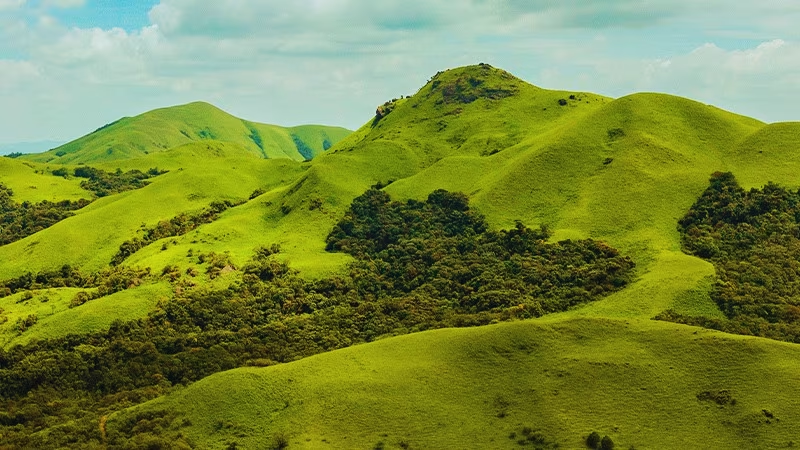
Hassan serves as the official Architectural Capital of Karnataka. The region connects ancient Hoysala artistry, spiritual traditions, and lush Western Ghats landscapes. Travelers access the district easily via National Highway 75. The district derives its name from Goddess Hasanamba, meaning the smiling goddess.
Hassan attracts global travelers with its UNESCO World Heritage Hoysala temples. Visitors explore massive Jain monuments, coffee plantations, and annual cultural festivals. The region offers an unforgettable journey into Karnataka’s cultural heartland.
Quick Facts
| Data Point | Details |
| Also Known As | Architectural Capital of Hoysala Heritage, Gateway to Western Ghats |
| District Headquarters | Hassan |
| Average Elevation | ~950–1,050 meters above sea level |
| Total Area | 6,814 sq km |
| Best Time to Visit | October to March (Pleasant weather; aligns with the Hasanamba Jatra) |
| Primary Attractions | UNESCO World Heritage Hoysala Temples, Jain Pilgrimage, Sakleshpur (“Poor Man’s Ooty”), Hasanamba Jatra, Coffee Estates, Submerged Gothic Ruins |
| Nearest Airport | Jindal Vijaynagar Airport (~215 km), Mysuru Airport (~115 km), Bengaluru Airport (~210 km) |
| Nearest Railway Hub | Hassan Junction (HAS) / Sakleshpur (SKLR) |
| Distance from Bengaluru | ~180 km via NH 75 |
Hassan showcases medieval Karnataka history like an open-air museum. Hoysala rulers pioneered intricate stone carving techniques in soapstone across this region. Master sculptors created star-shaped platforms, lathe-turned pillars, and detailed epic wall carvings.
Nature lovers explore Sakleshpur in the western hills of Hassan. Locals call Sakleshpur the “Poor Man’s Ooty” due to its cool, misty climate. Furthermore, the mysterious Hasanamba Temple opens for public viewing only during Deepavali each year.
Top Places to Visit in Hassan
Belur (Chennakeshava Temple Complex)
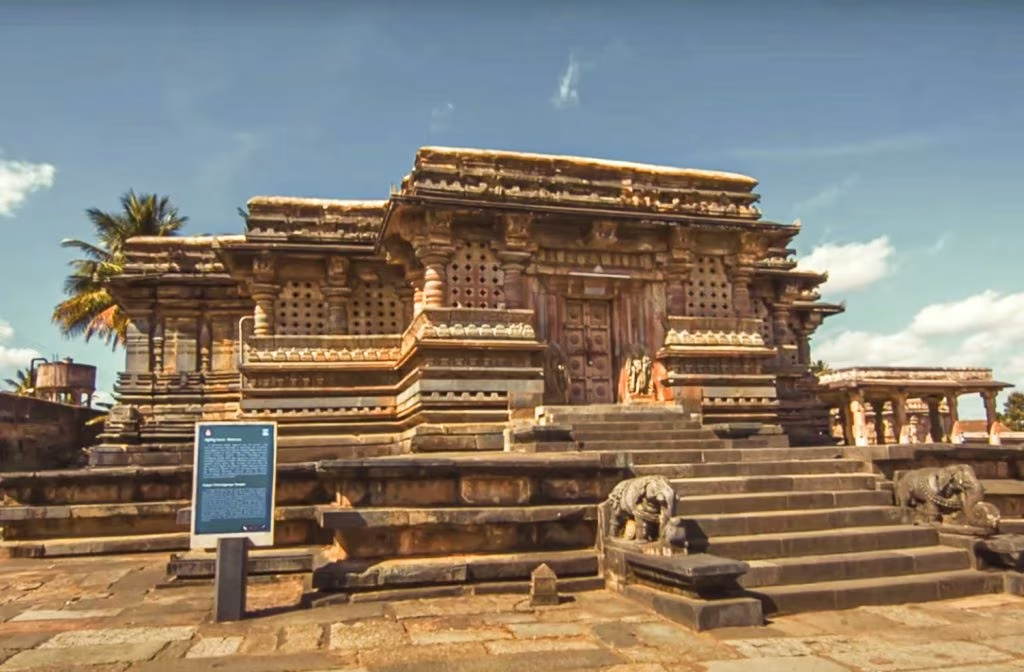
Belur showcases masterclass Hoysala craftsmanship. King Vishnuvardhana commissioned the Chennakeshava Temple in 1117 AD. The temple belongs to the UNESCO World Heritage Sacred Ensembles of the Hoysalas. Sculptors carved 48 lathe-turned pillars and 38 bracket figures showing celestial dancers.
Halebeedu (Hoysaleswara & Kedareshwara Temples)
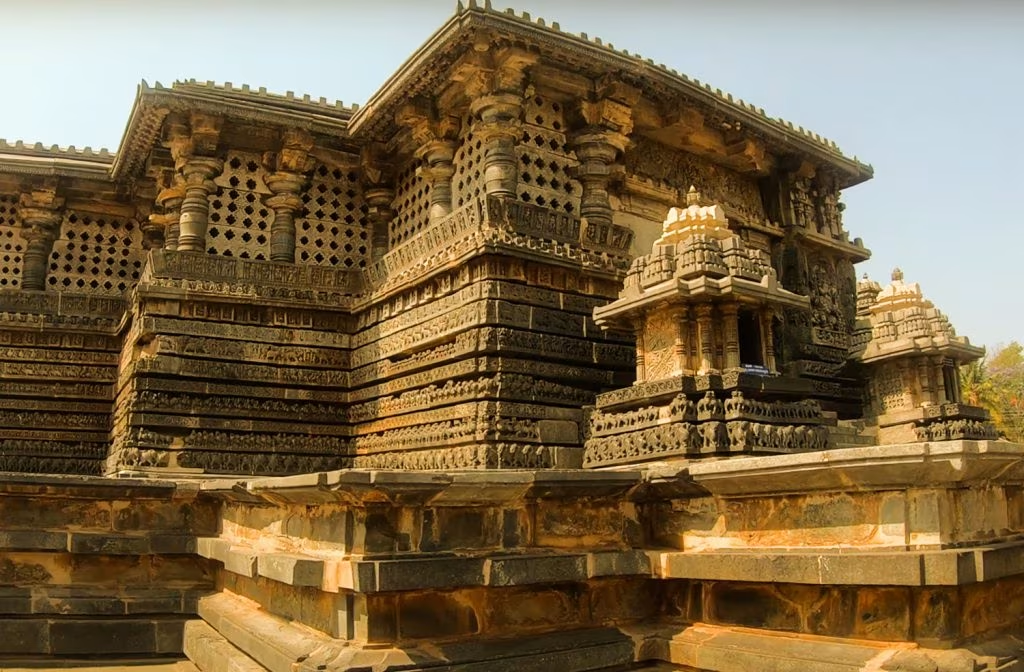
Halebeedu served as the royal capital of the Hoysala Empire. The Hoysaleswara Temple features twin shrines dedicated to Lord Shiva. Outer stone walls hold over 20,000 detailed carvings of elephants, lions, and mythological scenes.
Sakleshpur — The “Poor Man’s Ooty”
Sakleshpur sits 40 km west of Hassan in the Western Ghats. Travelers call Sakleshpur the Poor Man’s Ooty for its affordable plantation stays. Green hills, misty valleys, and coffee estates cover the entire region.
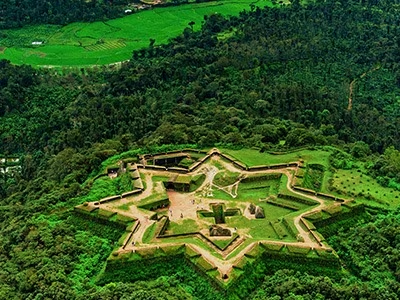
- Manjarabad Fort: Tipu Sultan built this star-shaped fort in 1792. The hilltop fort offers panoramic views of Western Ghats valleys.
- Trekking Peaks: Adventure seekers trek Jenukal Gudda, Pandavar Gudda, and Agni Gudda.
Shravanabelagola
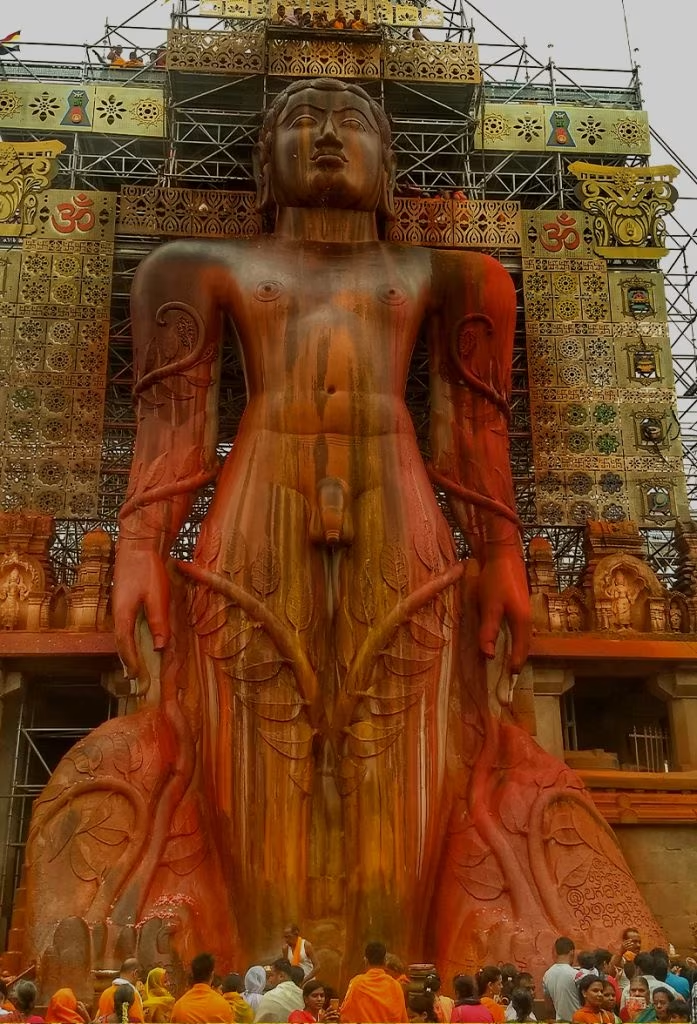
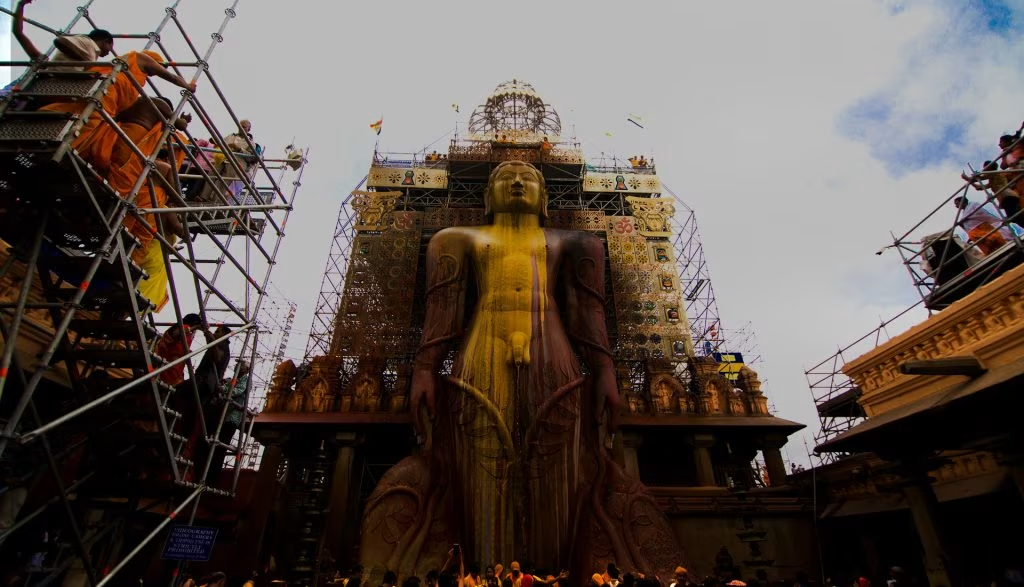
Shravanabelagola remains a top Jain pilgrimage destination in South India. The 57-foot tall Gommateshwara (Bahubali) statue stands atop Vindhyagiri Hill. Sculptors carved this single granite monolith in 981 AD. Visitors climb 650 stone steps for spiritual peace and sweeping valley views.
Shettihalli Rosary Church
French missionaries built this Gothic church during the 1860s. Gorur Dam backwaters partially submerge the church ruins every monsoon season. The water recedes during summer, letting travelers walk through historic stone arches.
Hasanamba Temple
The Hasanamba Temple sits in the heart of Hassan city. The temple opens exclusively for 10 to 14 days during Deepavali. Devotees gather in large numbers for the annual Hassanaamba Jatra Mahotsav.
Bisle Ghat & Viewpoint
Nature lovers visit Bisle Ghat for breathtaking mountain vistas. The viewpoint overlooks Kumara Parvatha, Pushpagiri, and Dodda Betta mountain ranges. Dense reserve forests surround the entire valley.
Gorur Dam (Hemavathi Reservoir)
Engineers built the 58-meter Gorur Dam across the Hemavathi River in 1979. The massive reservoir supports local farming and birdwatching. Opening crest gates during peak monsoons creates a dramatic water cascade.
Mosale Temples (Nageshwara & Chennakeshava)
Mosale village houses twin Hoysala temples built in 1200 AD. These quiet temples showcase intricate roof carvings and ornate stone towers without heavy crowds.
Lakshmi Devi Temple, Doddagaddavalli
Builders constructed this rare four-shrine Hoysala temple complex in 1114 AD. The quiet rural temple honors Goddess Lakshmi, Shiva, Vishnu, and Kali.
Heritage Treasures & Regional Highlights
- Hoysala Soapstone Marvels: Sculptors used soft chloritic schist soapstone. This stone allowed artists to carve microscopic details in stone jewelry and facial expressions.
- Coffee & Spice Hub: Sakleshpur produces world-class Arabica coffee, green cardamom, and black pepper.
- Pottery & Handlooms: Local artisans in Holenarasipura preserve traditional terracotta pottery and handloom weaving traditions.
Cultural Festivals & Events
Hassan celebrates rich faith and culture through annual public festivals.
Sri Hassanaamba Jatra Mahotsav
The Sri Hassanaamba Jatra Mahotsav serves as Hassan’s flagship religious festival. Priests light an oil lamp inside the sanctum before locking the temple doors each year. Legend states the lamp remains burning when priests reopen the doors the following year. To celebrate this grand occasion, the district administration illuminates Hassan city with festive lights and hosts classical music concerts.
Travelers planning a visit can check real-time darshan schedules, ticket bookings, and festival event details on the official website at srihassanaambatemple.com.
Hoysala Mahotsava
The Tourism Department hosts the Hoysala Mahotsava every March in Belur and Halebeedu. Renowned artists perform classical dance and music against ancient temple backdrops.
Mahamastakabhisheka (Shravanabelagola)
Jain pilgrims celebrate the Mahamastakabhisheka once every 12 years. Devotees pour milk, turmeric, saffron, and sandalwood paste over the 57-foot Bahubali statue. The next ceremony occurs in 2030.
Top Experiences & Activities
- Hire Certified Guides: Hire KSTDC-certified local guides at Belur and Halebeedu to learn ancient stone stories.
- Stay in Sakleshpur Estates: Book coffee plantation homestays in Sakleshpur and enjoy fresh filter coffee.
- Climb Vindhyagiri Hill: Ascend stone steps at Shravanabelagola early in the morning to escape afternoon heat.
- Photograph Submerged Ruins: Capture stunning sunrise photos at Shettihalli Church during seasonal water shifts.
Local Culinary Heritage
Hassan blends authentic Malnad style cooking with traditional South Karnataka flavors.
- Ragi Mudde: Rural kitchens serve these nutritious finger-millet balls hot with green vegetable curry.
- Akki Roti & Kadubu: Cooks prepare crispy rice-flour flatbreads and soft steamed dumplings with coconut chutney.
- Pandi Curry: Sakleshpur homestays prepare spicy traditional pork curry with local spices.
- Malnad Filter Coffee: Estate owners brew fresh, frothy Arabica coffee using locally grown beans.
Best Time to Visit Hassan
| Season | Months | Experience & Weather Conditions |
| Winter (Best) | October to March | Cool weather (15°C to 28°C). Ideal for temple tours and visiting the Hassanaamba Jatra. |
| Monsoon | June to September | Heavy rainfall turns hills lush green. Perfect for viewing Shettihalli Submerged Church. |
| Summer | March to May | Temperatures range between 28°C and 35°C. Good for early morning sightseeing. |
Travel & Connectivity Guide
By Road
Hassan connects directly via National Highway 75 (NH 75).
- From Bengaluru: ~180 km (3 hours drive via NH 75).
- From Mysuru: ~115 km via SH 57 (2.5 hours drive).
- Bus Services: KSRTC runs daily AC Volvo buses from Bengaluru and Mysuru.
By Train
Hassan Junction (HAS) connects to major Indian cities.
- Direct Trains: Karwar Express, Panchaganga Express, and Gomteshwara Express run regularly.
By Air
- Bengaluru Airport (BLR): Located ~210 km away with global flight connections.
- Mysuru Airport (MYQ): Located ~115 km away for regional flights.
Recommended Itineraries
Option 1: 1-Day Heritage Express
- Morning: Drive to Shravanabelagola and climb Vindhyagiri Hill.
- Afternoon: Enjoy a Malnad lunch in Belur. Tour the Chennakeshava Temple.
- Evening: Explore Halebeedu Hoysaleswara Temple before returning to Hassan.
Option 2: 2-Day Complete Hassan Experience
- Day 1: Visit Shravanabelagola, Belur Chennakeshava Temple, and Halebeedu ruins. Stay overnight in Sakleshpur.
- Day 2: Photograph Shettihalli Church. Tour Manjarabad Fort and enjoy a Sakleshpur coffee estate walk.
FAQs
Where is Hassan located?
Hassan sits in south-western Karnataka along NH 75, midway between Bengaluru (~180 km) and Mangaluru (~170 km).
Why do people call Sakleshpur the “Poor Man’s Ooty”?
Sakleshpur offers cool weather, misty hills, and coffee estates like Ooty, but at budget-friendly prices.
When does the Hasanamba Temple open?
The temple opens once a year for 10 to 14 days during Deepavali in October or November.
How far is Belur from Hassan city?
Belur lies 38 km from Hassan city. Drivers reach Belur in 45 minutes.
Can travelers visit Shettihalli Church year-round?
Yes. Monsoon water submerges the church from July to October, while summer exposes the dry stone floor.
Conclusion
Hassan offers an ideal blend of UNESCO World Heritage history, serene nature, and rich cultural traditions. From the carved stone temples of Belur and Halebeedu to the misty coffee plantations of Sakleshpur, the region captivates every traveler. Whether you visit during the annual Hassanaamba Jatra or explore ancient monuments year-round, Hassan delivers an unforgettable journey into Karnataka’s heartland.
For further information, visit the official district website click here!