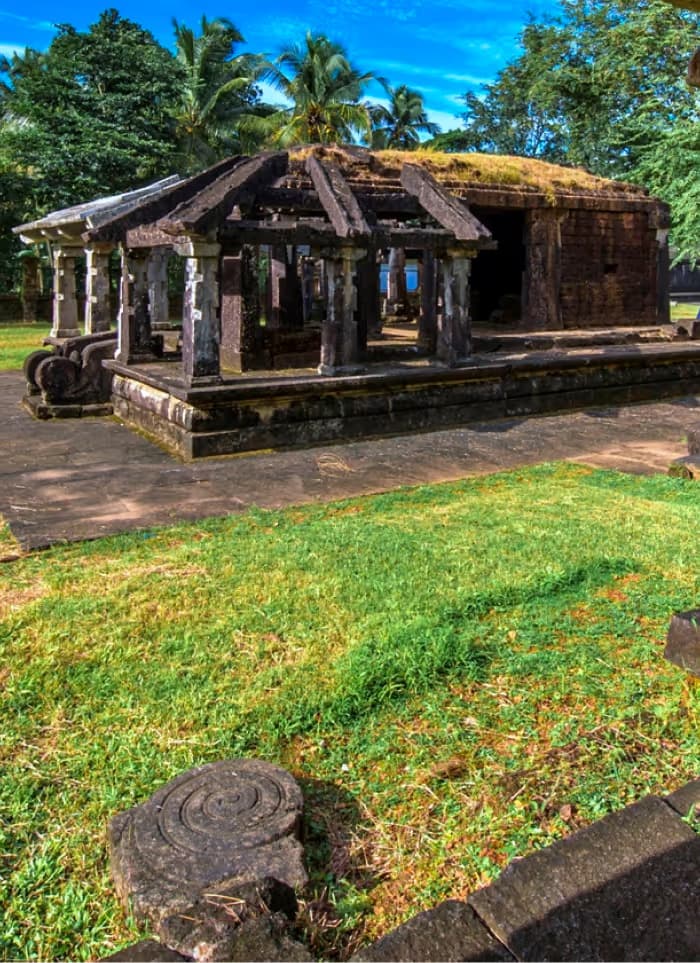
The Historic Capital of Tulunadu
Tucked away just sixteen kilometers north of Udupi city, Barkur rests peacefully on the scenic banks of River Seetha. This quiet hamlet holds immense historical wealth as the grand ancient capital city of the legendary Alupa dynasty rulers. Originally called Barakanur, local traditions also fondly refer to this timeless coastal settlement as Barahakanyapura, the beautiful virgin town.
Today, Barkur serves as an extraordinary open-air archaeological museum showcasing rich layers of regional coastal heritage. The town seamlessly preserves centuries of diverse cultural synthesis, blending distinct Hindu, Jain, and early Islamic historical influences. Scholars widely respect Barkur because it reveals the forgotten political, economic, and spiritual evolution of historical coastal Karnataka.
The Legendary 365 Temples
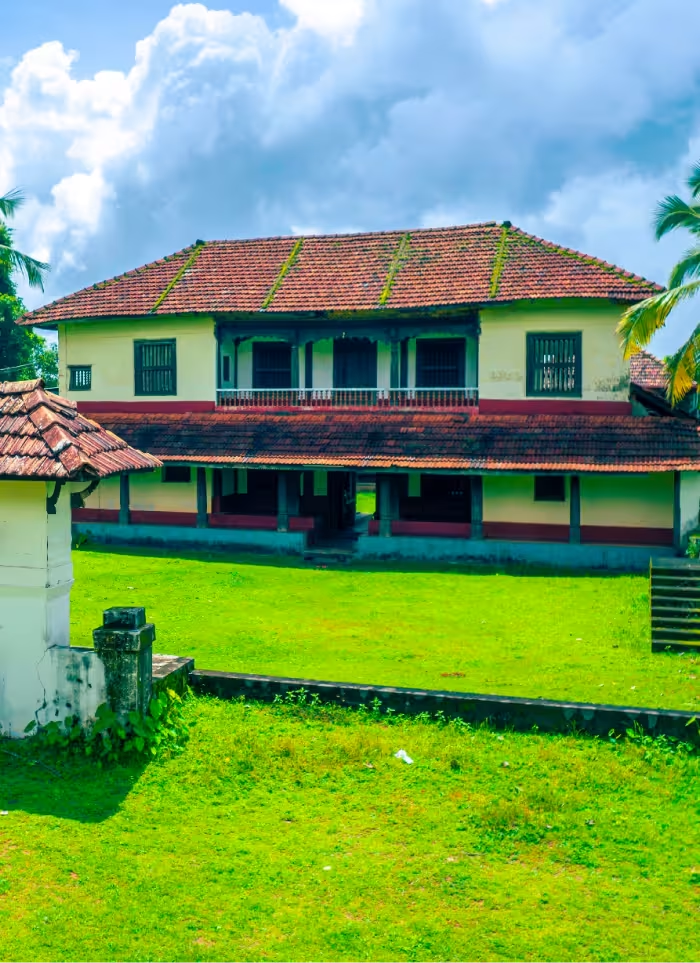
The true spiritual grandeur of historic Barkur lives through its staggering array of unique, ancient stone temple structures. Local folklore proudly claims that this flourishing royal capital once housed an incredible network of exactly 365 temples. The deeply pious Alupa kings strictly visited one unique temple each day of the entire calendar year.
Administratively, the kingdom carefully divided the capital town into ten distinct, fully self-sustained traditional residential quarters. Every single quarter featured its own community water tank and a primary governing deity for its residents. While time has weathered many shrines, several monumental stone remnants still stand today as proud markers of devotion.
Is Barkur Still a Vibrant Religious Center?
While Barkur functions primarily as an archaeological site, its historic shrines still attract thousands of devout pilgrims annually. It does not host a single massive mega-temple like neighboring Udupi or distant Gokarna’s famous coastal shrine. Instead, Barkur offers a spread of small, highly significant sacred monuments carrying immense, undeniable architectural value.
The extensive complex continues to function as an essential pilgrimage stop for students, history buffs, and devout Shaiva travelers. Visiting these peaceful, non-commercial structural ruins provides an evocative, authentic peek into early South Indian religious history.
History & Architecture of Barkur
The deep historical roots of majestic Barkur reliably trace back well over a thousand full years into antiquity. Inscriptional evidence proves the town thrived under the Alupas, Hoysalas, and the mighty Vijayanagara imperial governors. The maritime port enjoyed massive economic prosperity, trading extensively with foreign nations across the wide Arabian Sea.
Architecturally, the surviving structural monuments beautifully display a fascinating transition through three distinct, prominent South Indian eras. Master builders skillfully utilized durable local dark laterite stone and heavy granite blocks to construct long-lasting basadis.
Prominent Historical Monuments
- Kathale Basadi: A famous, ancient Jain temple complex constructed entirely from rich, dark black granite slabs. The ruined monument features a magnificent twenty-foot monolithic stone victory pillar standing proudly at its main entrance.
- Panchalingeshwara Temple: Barkur’s largest and oldest active temple, dedicated entirely to the five distinct manifestations of Lord Shiva. It possesses a unique, highly alluring double-storied gateway and an elephant-back curvilinear rear stone structure.
- Batte Vinayaka Temple: A highly revered ancient shrine featuring an iconic, historic stone idol of Lord Ganesha.
- Barkur Fort Ruins: A massive twenty-acre historic fortification area built originally by the imperial Vijayanagara king, Harihara I. Visitors can easily spot old stone pillars once used extensively for tying royal cavalry horses and elephants.
- Suralu Mud Palace: This structural masterpiece welcomes cultural explorers daily during daylight hours without charging any mandatory public entry fee.
Visitor Guidelines & Timings
Planning your archaeological exploration around the local weather and daylight hours ensures a comfortable and rewarding trip.
| Monument / Site | Operating Hours | Entry Fee | Optimal Visit Time |
| Kathale Basadi | Open All Day | Free Entry | Early Morning |
| Panchalingeshwara Temple | 6:00 AM – 1:00 PM | Free Entry | Morning Hours |
| Barkur Fort Site | Open All Day | Free Entry | Late Afternoon |
Note: The active temples alter their public darshan hours slightly during major regional Hindu festival days. Always maintain absolute silence while exploring the sensitive, protected monument grounds out of respect for local heritage.
Step-by-Step Exploration Route
- Start your morning fresh at the unique Batte Vinayaka Temple to seek traditional auspicious blessings.
- Walk over to the nearby Panchalingeshwara Temple to admire its remarkable elephant-back architectural stone design.
- Head towards the historic Kathale Basadi complex to examine the ancient monolithic stone victory pillar.
- Explore the serene, vast ruins of the twenty-acre Barkur Fort to witness old military anchor spots.
- Conclude your heritage trail with a peaceful stroll along the beautiful, calming banks of River Seetha.
Dress Code & Site Rules
- Clothing: Visitors should wear respectful, modest attire when entering active religious places like the Panchalingeshwara Temple.
- Photography: Photography is fully permitted across open archaeological ruins, but avoid using commercial tripods inside active shrines.
- Footwear: You must absolutely remove shoes before stepping onto the sacred stone platforms of any basadi structure.
- Preservation: Do not touch, scratch, or deface any ancient stone inscriptions or loose historical sculptural relics.
Local Rituals & Festivals
The ancient town beautifully comes alive during the colorful annual car festival of the historic Panchalingeshwara Temple. Local communities gather in massive numbers to pull the grand wooden chariot through the traditional streets of Barkur.
The region also enthusiastically celebrates traditional Tuluva festivals, including the thrilling, high-energy Kambala buffalo racing events during winter. For a profound spiritual experience, visit during the auspicious Mahashivaratri festival to witness special overnight Vedic rituals.
How to Reach Barkur
- By Train: Barkur possesses its own dedicated railway station, connecting smoothly to Mangaluru, Goa, and Mumbai via Konkan route.
- By Road: The town sits just off National Highway 66, making it easily accessible via local KSRTC buses.
- By Air: The nearest airport is Mangaluru International Airport, located approximately seventy-five kilometers away from the heritage site.
Best Time to Visit Barkur
The absolute best time to explore Barkur is from October to February during the pleasant winter season. The coastal weather remains beautifully cool, allowing travelers to comfortably walk through the open-air archaeological ruins all day. Monsoons bring heavy, disruptive rainfall, making outdoor exploration across the overgrown fort grounds highly challenging for tourists.
Frequently Asked Questions
Who originally built the historic Kathale Basadi in Barkur?
The ancient Alupa dynasty rulers built this unique Jain monument complex between the eighth and twelfth centuries CE.
Is there any entry ticket fee to visit the Barkur Fort?
No, access to the historical fort ruins and archaeological basadi sites is completely free for all public visitors.
How far is the historic town of Barkur from Udupi city?
Barkur is located roughly sixteen kilometers north of Udupi and is easily reachable via private taxis or rickshaws.
What is the unique architectural feature of the Panchalingeshwara Temple?
The ancient temple features an alluring double-storied gateway and a distinct curvilinear rear structure resembling an elephant’s back.
Can travelers find good luxury accommodation options directly inside Barkur town?
Barkur offers basic budget homestays, but travelers looking for premium luxury hotels should preferably stay in nearby Udupi.
Barkur stands proudly as a timeless, captivating portal into the glorious royal past of coastal Karnataka’s Tulunadu region. Its ancient granite basadis, mysterious fort ruins, and legendary temple tales offer an unforgettable journey for heritage lovers. Whether you visit for deep historical research or quiet spiritual exploration, Barkur leaves an enduring impression of peace. To know more, click -(Here)