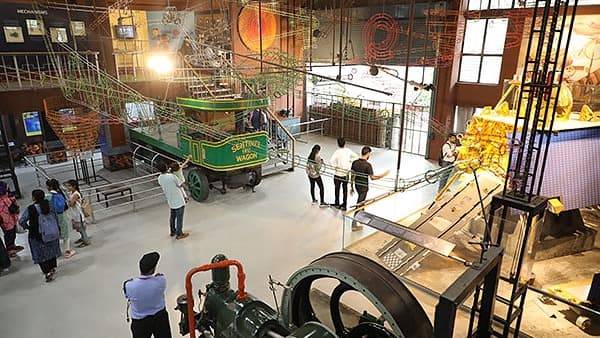
Bengaluru is known as India’s science and technology city. Long before the IT boom, the city had a strong link with engineering and invention. The Visvesvaraya Industrial and Technological Museum keeps that story alive. It sits next to Cubbon Park, in the heart of the city, and welcomes curious minds of every age.
This museum does not just display old machines behind glass. It invites you to touch, press, and try things out. Children run from one exhibit to the next. Parents read out facts aloud. Adults often end up learning something new about science they thought they already understood. If you plan a Bengaluru trip with family, students, or even on your own, this museum deserves a spot on your list.
Quick Info
| Detail | Information |
|---|---|
| Location | Kasturba Road, near Cubbon Park, Bengaluru |
| Built in honour of | Sir M. Visvesvaraya, engineer and statesman |
| Opened to public | 14 July 1962 by Pandit Jawaharlal Nehru |
| Timings | 9:30 AM to 6:00 PM, all days |
| Entry fee | Nominal charge per person (revised rates apply from April 2026; check the official website before your visit) |
| Special shows | 3D show, Science on a Sphere, Taramandala, flying simulator (separate small fee for each) |
| Time needed | 2 to 3 hours |
| Nearest metro | Cubbon Park |
| Best for | Families, students, school groups, science lovers |
| Official website | https://www.vismuseum.gov.in/ |
The Story Behind the Museum
The idea for this museum started in 1958. The All India Manufacturers’ Organisation wanted to honour Sir M. Visvesvaraya, one of India’s finest engineers. He had built dams, designed flood gates, and shaped modern city planning. The organisation felt Bengaluru needed a place that celebrated his work and inspired others to follow his path.
Workers laid the foundation stone in September 1958. Four years later, Prime Minister Jawaharlal Nehru opened the museum to the public. The first gallery focused on electricity and opened in 1965. Over the decades, the museum grew larger and added more galleries. In 1978, the National Council of Science Museums took charge of the site. Today, it serves as the council’s regional headquarters for South India and guides several other science centres in the region.
Millions of visitors have walked through its halls since it opened. Many remember it as the place where science first felt exciting rather than difficult.
Top Things to See Inside the Museum
The museum spreads across multiple floors. Each floor focuses on a different theme. Here are the galleries you should not miss.
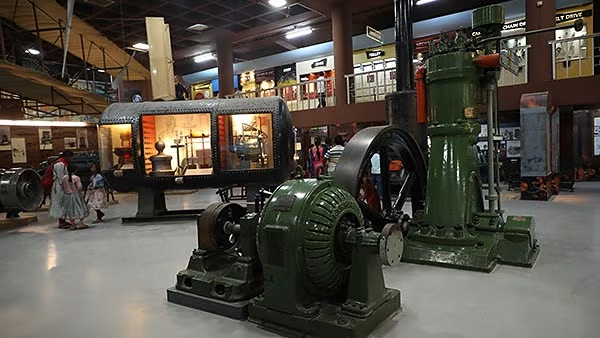
Engine Hall
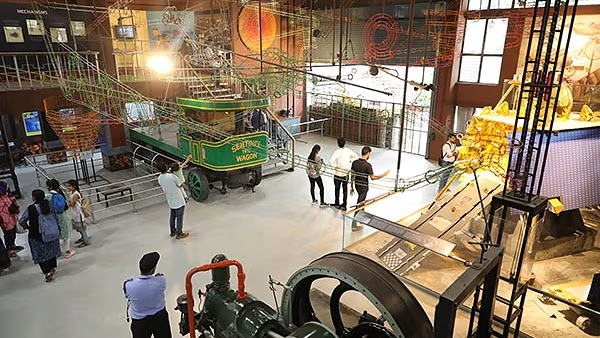
This hall greets you with old engines, pulleys, gears, and levers. You can see how machines move and why they work the way they do. The displays break down complex mechanics into simple, visual lessons. It is a great starting point if you want to understand engineering basics.
Electrotechnic Gallery
This gallery traces the journey of electricity. It starts with early experiments and moves toward modern power systems. You will see how scientists turned curiosity into the electric grid that powers our homes today.
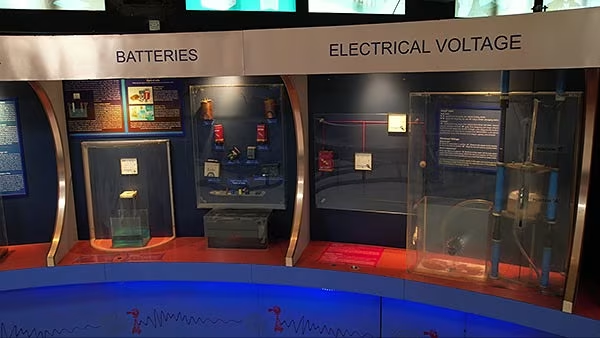
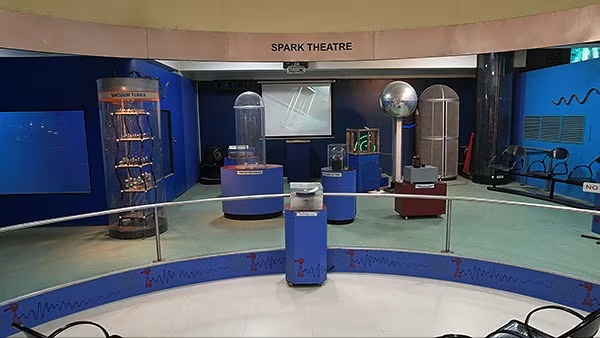
Space and Technology Gallery
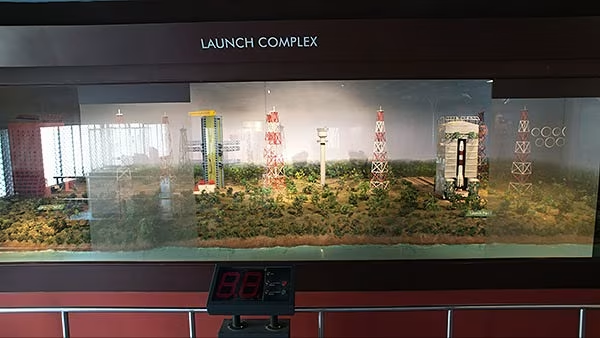
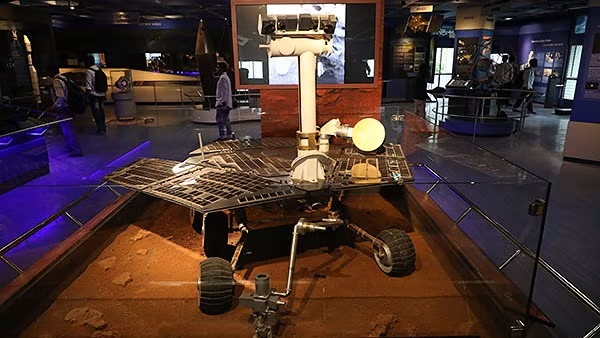
This section looks at space exploration and emerging technology. Models and displays explain how rockets work and how technology keeps changing the way we live. It works well for older children and teens who enjoy science.
Dinosaur Corner and the Wright Flyer
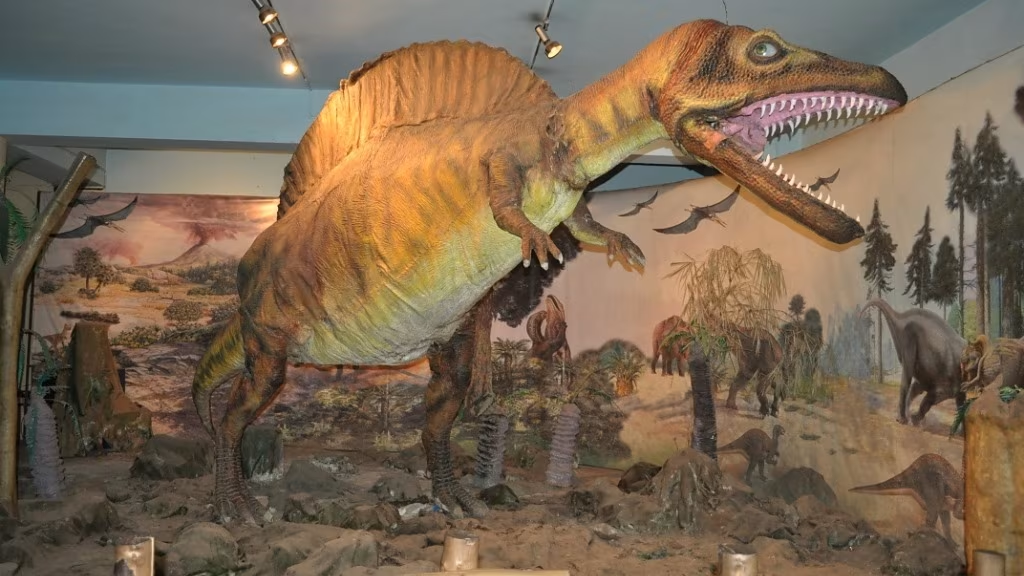
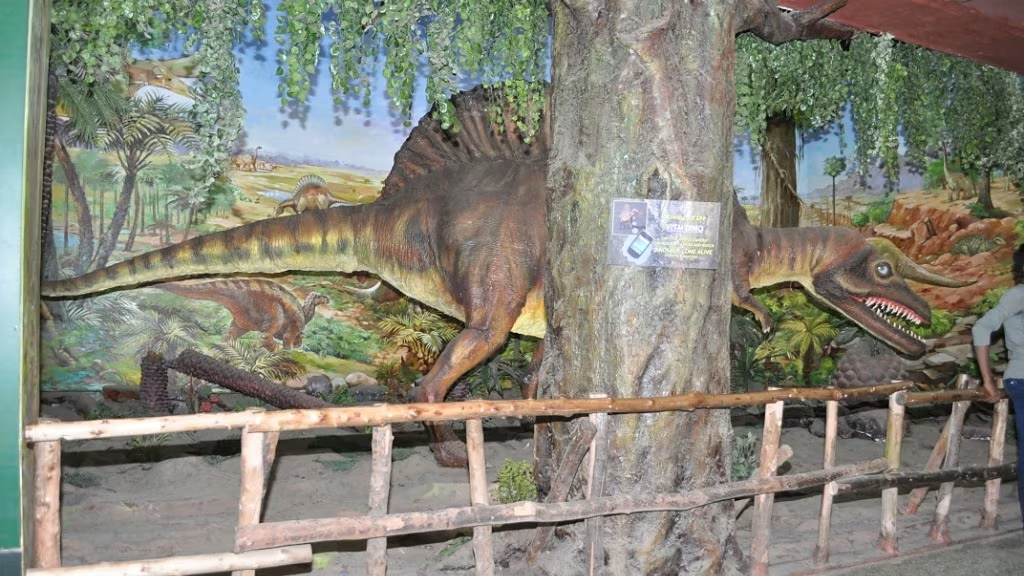
Kids love this corner. It features a dinosaur display with a mobile app that brings the creatures to life. Right next to it stands a full-scale replica of the Wright Brothers’ first aircraft, the Kitty Hawk. A flight simulator lets you feel what early aviators experienced.
Science on a Sphere
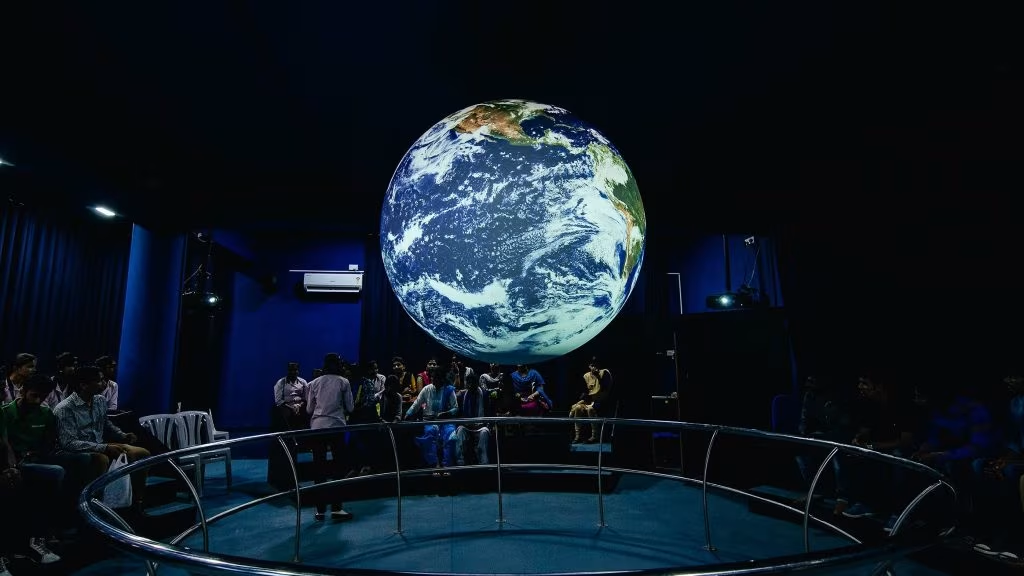
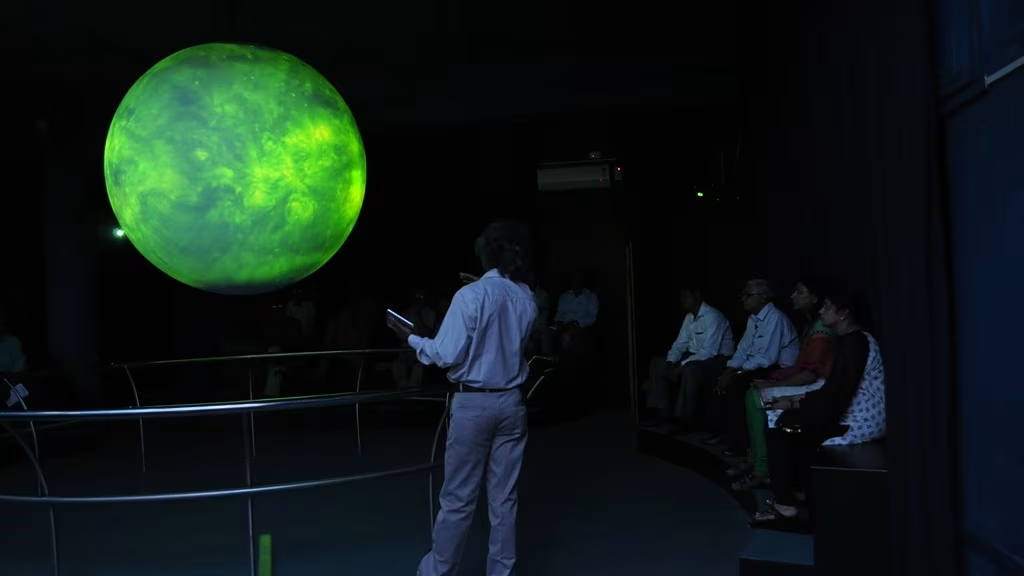
This exhibit is the only one of its kind in Asia. A giant sphere displays moving images of Earth’s weather, oceans, and land patterns. Multimedia projections turn the sphere into a living globe. Visitors often stop here the longest, watching storms and seasons shift across the planet.
Fun Science and Children’s Gallery
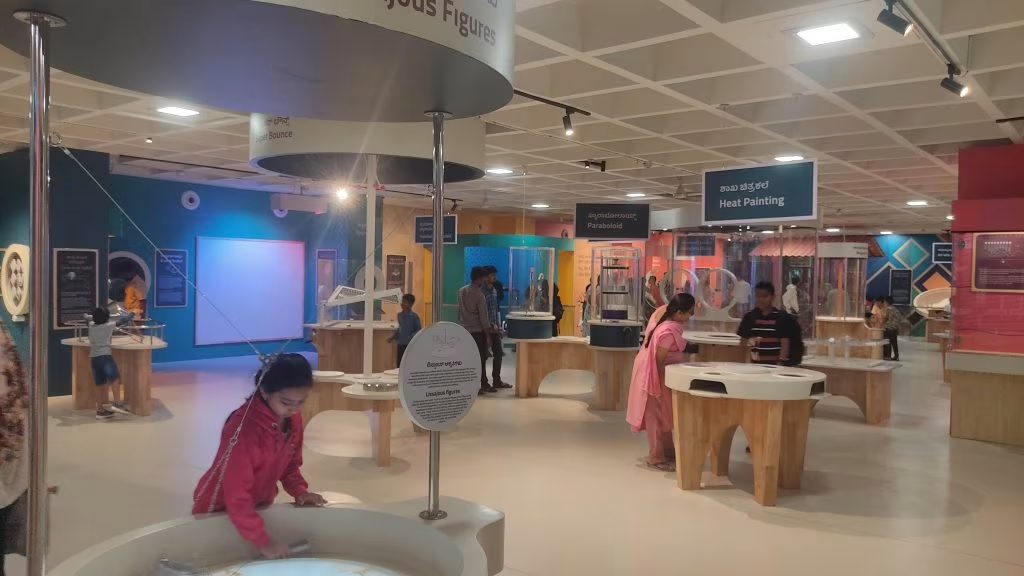
This gallery turns learning into play. Hands-on stations let children test ideas about light, sound, and force. It keeps young visitors engaged without making them feel like they are sitting in a classroom.
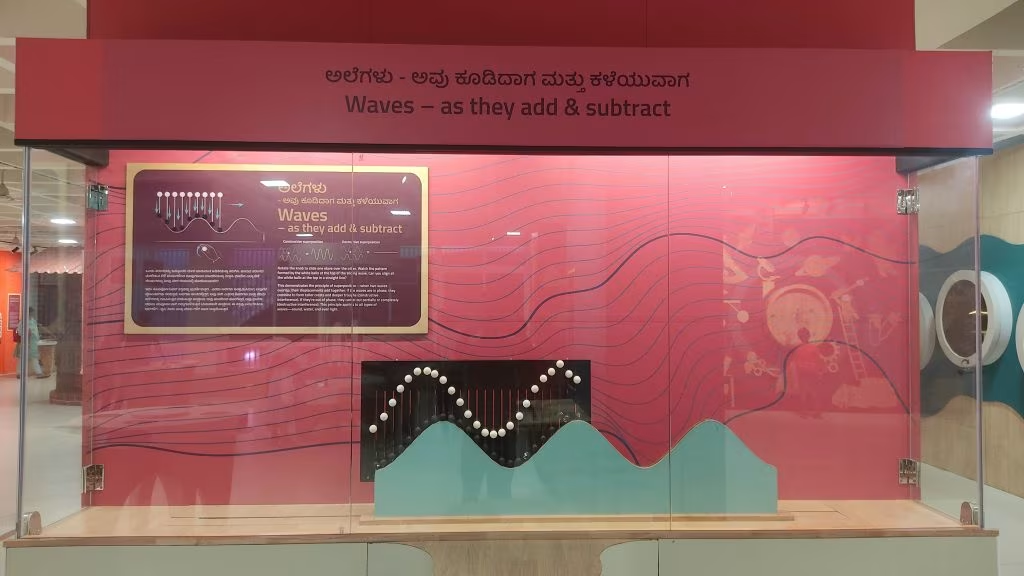
Special Shows and Activities
Beyond the galleries, the museum runs several shows worth catching.
The 3D show entertains visitors with science-themed stories told through dramatic visuals. The Taramandala, or planetarium, takes you on a tour of stars and planets. The flying simulator gives you a taste of piloting an aircraft. Each show carries a small separate ticket price, so plan a little extra time and budget if you want to catch them all.
The museum also runs education programmes throughout the year. These include science lectures, sky observation sessions, and teacher training workshops. Schools often plan visits around these programmes, so the museum can get crowded with student groups on weekday afternoons.
Best Time to Visit
The museum stays indoors, so the weather rarely affects your visit. That said, October to February brings cooler temperatures in Bengaluru, which makes it pleasant to combine your museum trip with a walk through Cubbon Park afterwards.
Mornings work best if you want a quieter experience. Student groups usually arrive later in the day, so the halls feel calmer before noon. Weekends and school holidays draw bigger crowds, so a weekday visit gives you more room to explore each exhibit at your own pace.
How to Reach the Museum
The museum sits on Kasturba Road, close to Cubbon Park and MG Road. This central location makes it easy to reach from almost anywhere in the city.
The Cubbon Park metro station sits closest to the entrance. You can also reach the museum by bus, taxi, or auto rickshaw. If you drive, parking is available nearby, though spaces fill up fast on weekends and during peak hours.
Since the museum sits near other attractions like Cubbon Park, the Karnataka High Court, and Vidhana Soudha, you can easily club your visit with a short heritage walk around the area.
Tips for a Smooth Visit
Plan around two to three hours to see the main galleries and catch at least one show. Wear comfortable shoes, since you will walk across multiple floors. Carry water, especially if you visit during warmer months, though most of your time will be spent indoors.
If you travel with children, head to the Dinosaur Corner and Fun Science gallery first. These sections hold their attention the longest. If you travel with a group of science enthusiasts, slow down at the Electrotechnic and Space galleries instead.
Check the official museum website before you go. Ticket prices and show timings get revised from time to time, and confirming details in advance saves you a surprise at the counter.
Why This Museum Deserves Your Time
The Visvesvaraya Industrial and Technological Museum does more than display old machines. It tells the story of India’s engineering pride through Sir M. Visvesvaraya’s legacy, and it turns that story into something you can touch and try yourself. Few museums manage to keep both a five-year-old and a retired engineer equally engaged, but this one does.
Whether you live in Bengaluru or you are visiting for the first time, this museum offers a refreshing break from the city’s usual list of parks and palaces. It rewards curiosity, and it leaves you with a better sense of how the world around you actually works.
FAQs
1. What are the Visvesvaraya Industrial and Technological Museum timings?
The museum is open every day from 9:30 AM to 6:00 PM, including weekends and most public holidays. It is a good idea to arrive in the morning for a less crowded experience.
2. How much is the entry fee for the Visvesvaraya Industrial and Technological Museum?
The museum charges a nominal entry fee for visitors. Special attractions such as the 3D Show, Science on a Sphere, Taramandala, and Flying Simulator require separate tickets. As ticket prices may change, check the official website before your visit.
3. How much time do I need to explore the museum?
Most visitors spend 2 to 3 hours exploring the galleries and interactive exhibits. If you plan to watch one or more special shows, set aside an additional hour.
4. Is the Visvesvaraya Industrial and Technological Museum suitable for children?
Yes. The museum is one of Bengaluru’s best family attractions. Interactive galleries, the Fun Science Gallery, Dinosaur Corner, and hands-on exhibits make science enjoyable for children while also engaging adults.
5. Which is the nearest metro station to the Visvesvaraya Industrial and Technological Museum?
The Cubbon Park Metro Station on the Namma Metro Purple Line is the nearest. From there, the museum is just a short walk away, making it easy to reach by public transport.