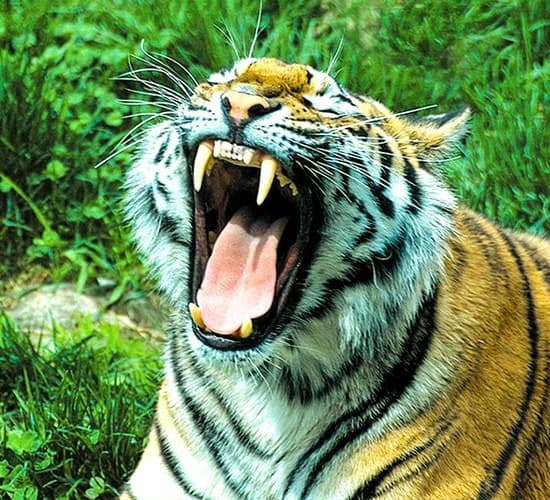
Just 22 kilometres south of Bengaluru’s city centre, Bannerghatta (Bannerughatta) Biological Park is where the urban sprawl gives way to ancient forest, and where tigers, lions, sloth bears and elephants roam within a fenced wilderness that few Indian cities can claim as a neighbour. Whether you are planning a family day out, a wildlife photography trip, or an overnight nature escape, Bannerghatta delivers an experience that is genuinely hard to find close to a major metropolis.
Established in 1974 as a national park and formally designated a biological park in 2002, Bannerghatta spans over 260 square kilometres of the Eastern Ghats’ southern tip. The core biological park, home to the zoo, safari, butterfly park, and visitor facilities, covers around 104 square kilometres and is managed by the Karnataka Forest Department. It sits at the confluence of several important wildlife corridors, serving as a critical passage for elephants moving between the Sathyamangalam forest and the Biligiri Rangaswamy Temple Tiger Reserve. This ecological significance is not just a backstory; it is something you feel the moment you pass through the gates.
Things to Do at Bannerghatta National Park
Safari Experience
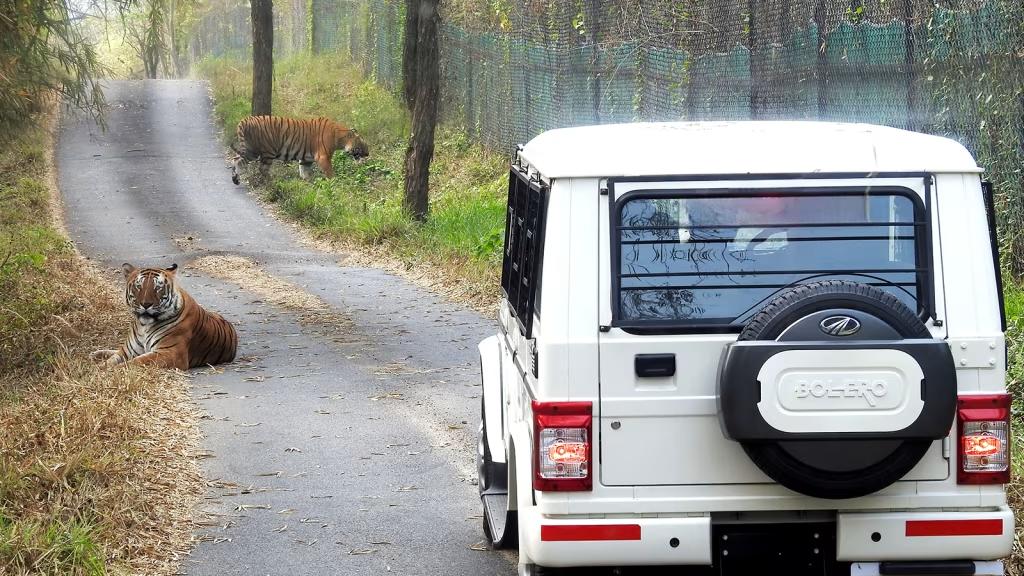
The safari at Bannerghatta (Bannerughatta) Biological Park is the headline attraction, and rightly so. It is where India’s first Lion and Tiger Safari was launched, and the distinction still holds weight today. Visitors board either an AC or non-AC bus, or book a private jeep, and travel through a series of enclosed forest zones where big cats, sloth bears, and other predators roam in habitats designed to replicate their natural environment.
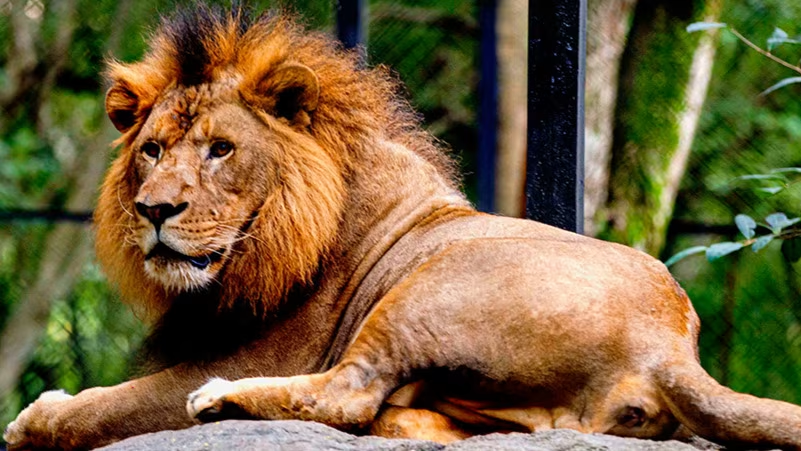
The safari takes visitors through the Lion Safari zone and the Tiger Safari zone in sequence during the same ride. The enclosed zones provide remarkably consistent sightings, giving you an excellent chance to see a Bengal tiger or an Asiatic lion, often just metres from your vehicle. The Bear Safari zone introduces visitors to the sloth bear, a species that Bannerghatta has played a particular role in conserving; the park has served as a rehabilitation facility for bears and big cats rescued from circuses and illegal captivity.
The safari circuit covers approximately 6 kilometres and takes between 45 minutes and one hour to complete.
Safari Options and Pricing:
| Safari Type | Weekday (Adults) | Weekend/Holidays (Adults) |
| Non-AC Bus Safari (Zoo + Safari) | ₹370 | ₹420 |
| AC Bus Safari (Zoo + Safari + Butterfly Park + Camera) | ₹690 | ₹740 |
| 6-Seater Non-AC Jeep | ₹3,600 | ₹3,900 |
| 6-Seater AC Jeep | ₹4,200 | ₹4,500 |
| 6-Seater AC Xylo | ₹4,700 | ₹5,200 |
| 8-Seater Non-AC Jeep | ₹4,600 | ₹5,100 |
| 7-Seater Innova | ₹5,700 | ₹6,200 |
| 4-Seater EV Car | ₹3,200 | ₹3,500 |
Safari timings run from 10:00 AM to 4:30 PM. Book in advance on weekends; jeep slots in particular fill up quickly.
Bannerghatta Zoo
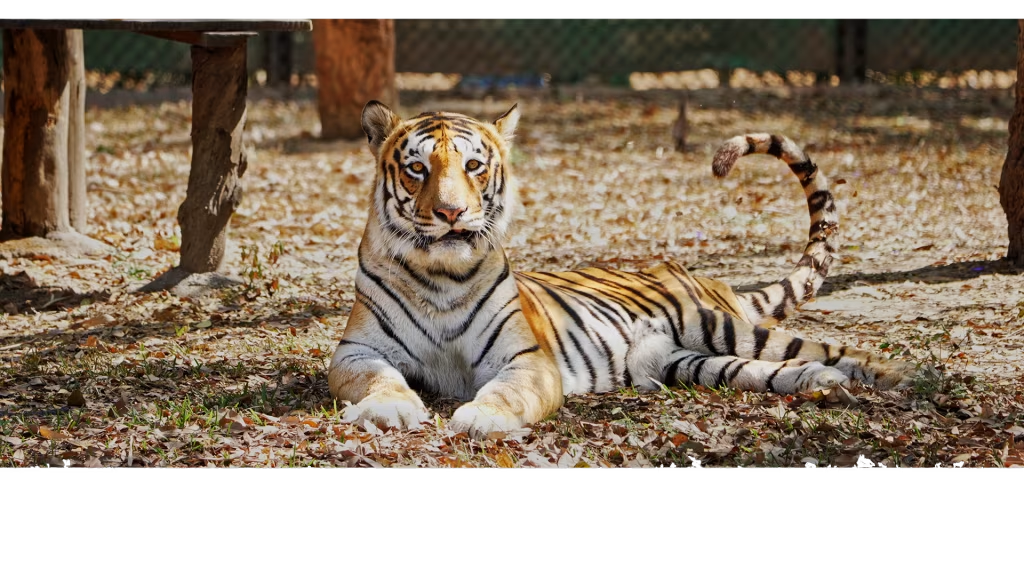
Spread over 12 hectares within the biological park, the Bannerghatta Zoo houses a diverse collection of mammals, reptiles, and birds from both Indian and exotic origins. Large enclosures are thoughtfully designed to give animals space to behave naturally, making observation more rewarding for visitors than a conventional cage-based zoo. Highlights include the white tiger enclosure, the elephant yard, the crocodile farm, the snake park, and the prehistoric animals’ park, a distinctive exhibit that sets Bannerghatta apart from other zoological parks in Karnataka.
The zoo also includes an aquarium, a children’s park, and a pet corner, making it a genuinely all-age attraction. The rescue centre within the park has given a second life to animals that were seized from illegal captivity, adding a meaningful conservation dimension to every visit.
Butterfly Park
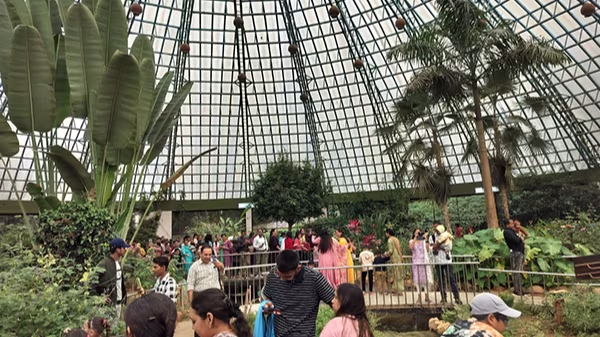
India’s first butterfly park opened at Bannerghatta in 2006, and it remains one of the largest in Asia. Housed in a specially designed enclosure, the park sustains a living population of dozens of butterfly species in a carefully maintained habitat of nectar plants, larval host plants, and controlled microclimate conditions. Visitors walk through the enclosure as butterflies flutter around them, a calming, almost meditative counterpoint to the adrenaline of the safari.
An interpretive centre at the entrance explains butterfly life cycles, species identification, and the role of these insects in broader ecological health. The park also functions as a breeding and research facility, contributing to Karnataka’s butterfly conservation data.
Nature Camp & Camping
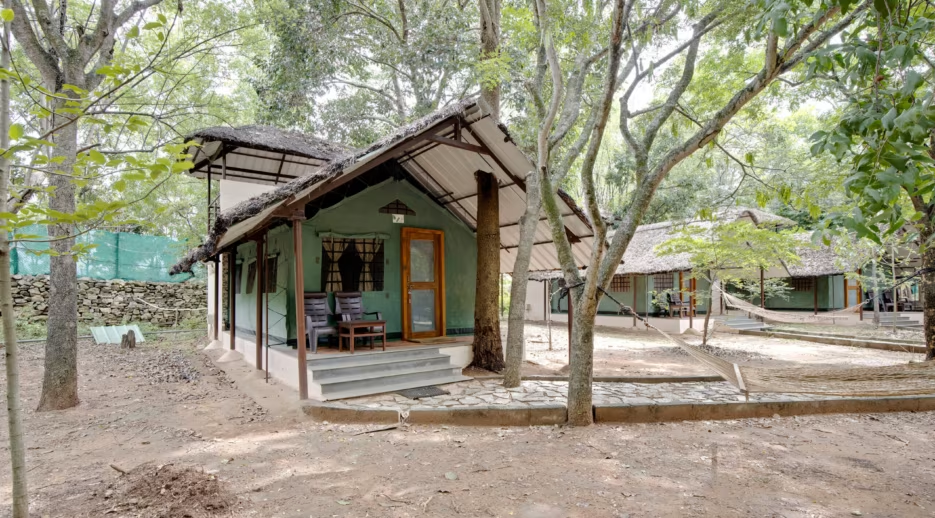
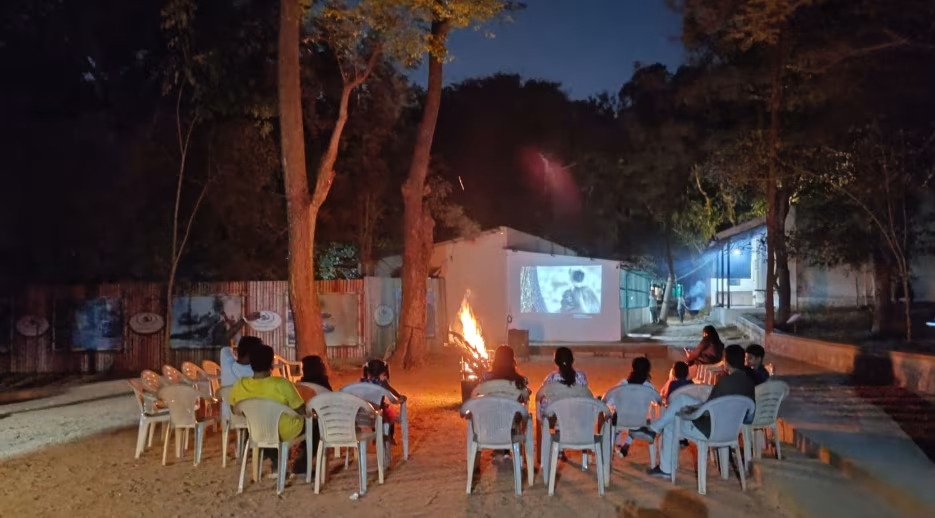
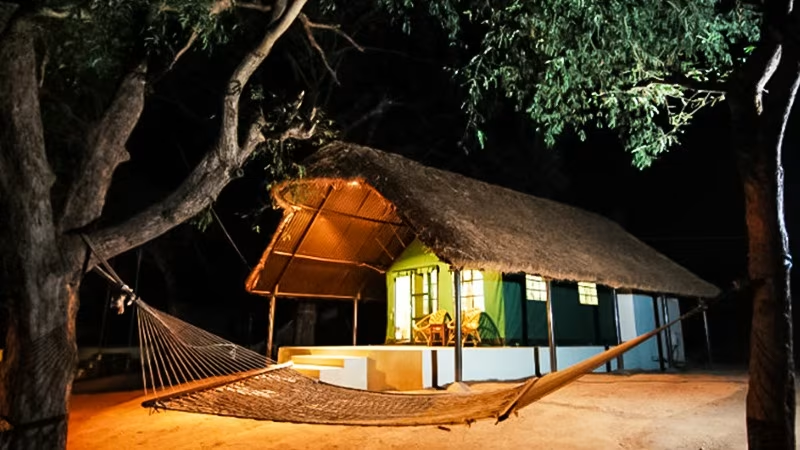
For visitors who want more than a day trip, the Bannerghatta Nature Camp, managed by Jungle Lodges & Resorts, a Government of Karnataka undertaking, offers overnight stays right at the park’s edge. Accommodation options include tented cottages, log huts, and dormitory-style facilities. The all-inclusive tariff covers meals, a guided nature trail into the herbivore zone, a safari, zoo and butterfly park visits, a campfire dinner at the open-air Gol Ghar dining area, and a wildlife film screening.
The camp is a particularly popular option for corporate retreats, school groups, and families looking for an immersive experience. The on-site naturalists accompany guests on guided walks, pointing out bird species, plant ecology, and animal signs that an unguided visitor would easily miss. Tariffs start at approximately ₹4,855 per person on a twin-sharing basis (all-inclusive). As prices vary by season, check the latest rates directly with Jungle Lodges & Resorts before you book. Children between 5 and 12 years travelling with their parents receive a 50% discount.
Note that since the biological park closes on Tuesdays, the camp shifts all Tuesday activities to Wednesday.
Boating & Aquarium
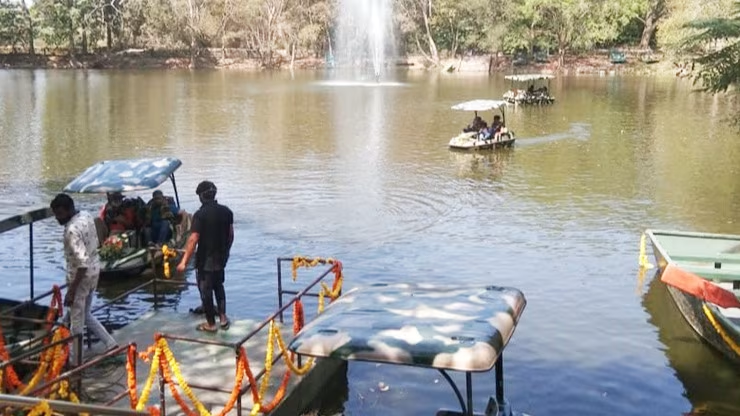
The park’s lake offers a gentler way to spend time in nature. Rowing boats, two-seater pedal boats, and four-seater pedal boats are available for 30-minute sessions. Charges are ₹50 per head for a row boat, ₹200 for a full two-seater pedal boat, and ₹400 for a full four-seater pedal boat. The aquarium within the zoo campus displays freshwater species native to Karnataka’s river systems, and your zoo entry ticket includes access to the aquarium.
Wildlife & Biodiversity
Bannerghatta’s position at the southern tip of the Eastern Ghats shapes its ecology, where moist deciduous teak forests, bamboo thickets, rocky granite outcrops, and scrubland habitats spread across the landscape. This variety of microhabitats supports an unusually rich concentration of species.
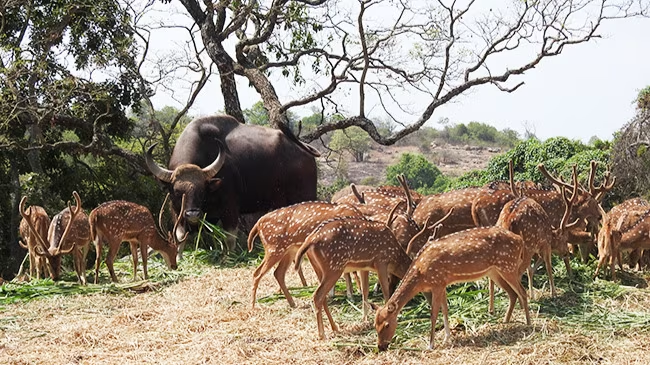
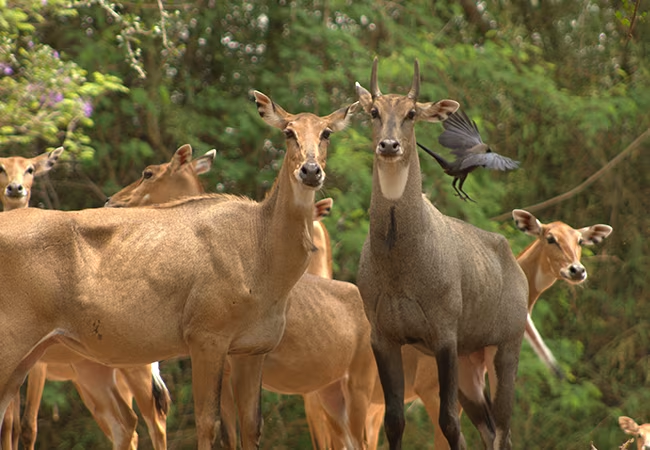
Mammals: Wild elephants move through the park along established migration corridors. Sloth bears are resident and regularly spotted. Other sightings include spotted deer (chital), sambar, barking deer, gaur, wild boar, jackal, porcupine, bonnet macaque, slow loris, and three-striped palm squirrel. Within the safari enclosures, Bengal tigers, Asiatic lions, and a population of rescued big cats are present year-round.
Birds: The park records over 200 bird species. Regular sightings include the Honey Buzzard, Great Horned Owl, Spotted Owlet, Purple Sunbird, Loten’s Sunbird, Small Green Barbet, and several flycatcher species, including the Paradise, Tickell’s Blue, and Asian Paradise. Waterbirds such as cormorants, white ibis, little green heron, and grey heron are drawn to the park’s wetland fringes.
Flora: The dominant tree species are teak (Tectona grandis) and bamboo (Dendrocalamus strictus). Notable flora includes sandalwood (Santalum album), Indian gooseberry (Emblica officinalis), arjun tree (Terminalia arjuna), neem, tamarind, and a range of shrub and grass species that form the understory of this deciduous forest system.
Conservation significance: Bannerghatta holds the distinction of being home to India’s first fenced elephant sanctuary, a 122-acre area within the park where elephants rehabilitated from captivity live in a spacious, naturalistic setting. The park’s rescue centre has also been instrumental in rehabilitating tigers and lions seized from circuses, giving India’s first Lion and Tiger Safari its founding population.
Ticket Prices & Booking Information
| Category | Zoo Entry | Butterfly Park | Zoo + Butterfly Park Combo |
| Adults (Indian) | ₹120 | ₹50 | ₹170 |
| Children (Indian) | ₹60 | ₹30 | ₹90 |
| Senior Citizens | ₹70 | ₹30 | ₹100 |
| Foreign Nationals (Adult) | ₹400 | ₹50 | – |
| Foreign Nationals (Child) | ₹300 | ₹30 | – |
Safari Tickets: See the table under the Safari section above for a full vehicle-type breakdown.
Camera Fees: Still camera- ₹50; Video camera – ₹250. These fees are waived for visitors booking the AC Bus Safari or Jeep Safari combos, as camera use is included.
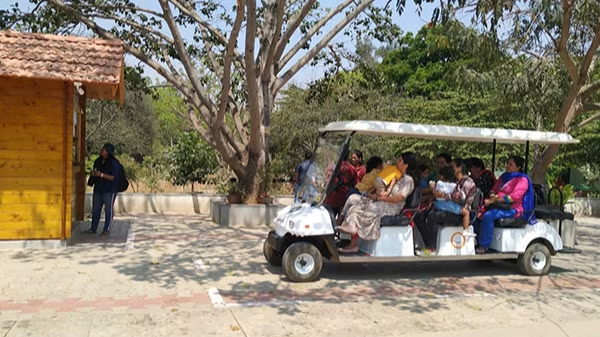
Battery-Operated Vehicle (BOV): ₹100 for adults, ₹50 for children, available inside the park for those who prefer not to walk.
Specially Abled Visitors: Free entry to the zoo and butterfly park; ₹200 (weekday) / ₹250 (weekend) for the safari.
Online Booking: You can book tickets in advance through the official portal at etickets.bannerughattabiopark.org. The park recommends online booking on weekends and public holidays, particularly for jeep safari slots, which have limited availability.
Timings & Best Time to Visit
Park Timings:
- Zoo, Butterfly Park, Boating: 9:30 AM – 5:00 PM
- Grand Safari: 10:00 AM – 4:30 PM
- Closed every Tuesday (weekly maintenance day)
Best Time to Visit Bannerghatta National Park:
October to June is generally the most rewarding period. The post-monsoon months of October through February bring cooler temperatures, lush greenery, and the most active wildlife. Animals are more mobile and visible during these months. March to May is warmer but still pleasant for morning visits, and the dry conditions mean animals congregate around water sources, which can make sightings easier in the herbivore zones.
The monsoon months (July to September) bring heavy rainfall that can temporarily affect safari operations, though the forest is strikingly beautiful during this period.
For the safari specifically, arriving early, ideally when gates open at 9:30 AM, maximises your chances of seeing animals that are active in the cooler morning hours. Weekday visits are significantly less crowded than weekends and public holidays.
Zoo Map & Park Layout
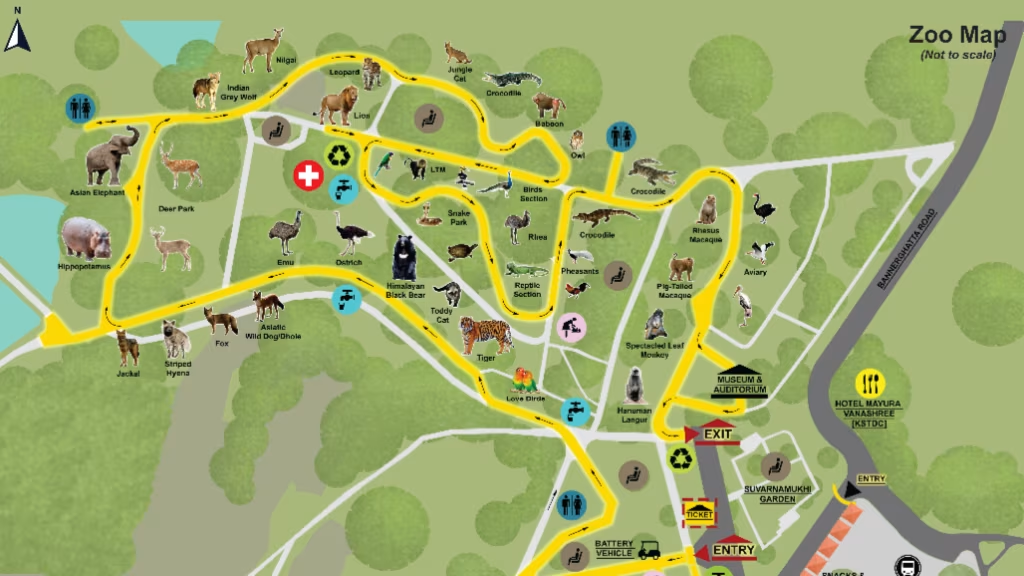
The Bannerghatta Biological Park is divided into several distinct zones that visitors navigate in a logical sequence. An official zoo map is available on the biological park’s website at bannerughattabiopark.org/zoo_map and at the visitor information kiosk near the main entrance.
The main entrance gate leads into the Zoo Campus, where the 12-hectare zoo, aquarium, snake park, crocodile farm, children’s park, and prehistoric animals’ park are located. From here, visitors access the Butterfly Park via a short walk. The Safari Zone is accessed via dedicated bus or jeep boarding points near the entrance; visitors do not enter the safari zone on foot.
Within the broader national park boundary (not accessible to casual visitors), the Elephant Corridor and natural forest areas form the ecological backbone of the protected landscape.
A Battery-Operated Vehicle (BOV) service runs within the zoo campus, useful for elderly visitors or families with young children who prefer not to cover the entire campus on foot.
How to Reach Bannerghatta National Park
By Road (Recommended): Bannerghatta is located approximately 22 kilometres south of Bengaluru city centre. The drive typically takes 35–50 minutes from central Bengaluru, depending on traffic. Taxis, auto-rickshaws, Ola, and Uber services are all available for the journey.
BMTC Bus: Bengaluru Metropolitan Transport Corporation operates services on the Bannerghatta Road route from Kempegowda (Majestic) Bus Station. Several routes serve Bannerghatta Circle, from where the park entrance is a short walk or auto-ride away.
Nearest Railway Station: Bengaluru City Railway Station (KSR Bengaluru), approximately 30–35 kilometres from the park. From the station, taxis or Ola/Uber are the most convenient option.
Nearest Airport: Kempegowda International Airport (BLR), approximately 55–70 kilometres from the park, depending on the route taken.
Nearby Attractions
Bannerghatta’s surroundings offer several worthwhile additions to a day trip or extended stay in the area.
Jigani Lake (approximately 3.6 km from the park) is a scenic reservoir popular with birdwatchers and for a quiet afternoon by the water. Hajjamana Kallu, a dramatic granite outcrop just 3.9 kilometres away, offers a panoramic viewpoint over the surrounding forest and farmland.
Bannerghatta Santhe, held near the park entrance, is a local weekly market where visitors can browse produce and pick up modest souvenirs. Champakadama Swamy Temple, located en route between the park and central Bengaluru, is a significant local shrine worth a brief stop.
For those staying overnight, Bheemeshwari Nature Camp (roughly two hours’ drive) and Muthathi along the Cauvery river offer riverside forest experiences that complement a Bannerghatta visit as part of a longer Karnataka nature itinerary.
Visitor Tips & Guidelines
Arrive Early: Gates open at 9:30 AM. Arriving at or just after opening ensures you avoid the thickest weekend crowds and catch wildlife during its most active morning hours.
Book Safari Tickets Online: Book your jeep safari tickets in advance through the official portal, especially if you plan to visit on weekends, as slots are limited and sell out quickly.
Dress Appropriately: Wear lightweight, neutral-coloured clothing and closed-toe footwear, as you will walk across uneven terrain in the zoo campus. Carry a sun hat and sunscreen to stay comfortable in exposed areas.
No Outside Food: Leave outside food and beverages behind before entering the park. The park enforces this rule to protect both visitors and animals. You can purchase food and refreshments from the canteen and snack kiosks inside the park.
Photography: Pay a ₹50 still camera fee unless your ticket combo includes it. Avoid using flash photography during the safari because it disturbs the animals. Do not fly drones anywhere within the biological park.
Stay Inside Vehicles During Safari: Remain inside your safari vehicle at all times while travelling through the animal zones. Although the vehicle may stop at sighting points, never step outside.
Keep Noise Levels Low: Move quietly, especially in the butterfly park and near animal enclosures, to enjoy better wildlife sightings and create a calmer environment for the animals.
Avoid Feeding Animals: Do not feed any animals in the zoo, safari, or open areas. The park prohibits feeding animals and imposes fines on violators.
Carry a Valid ID: Carry a valid photo ID for ticket purchases at the counter. If you book online, bring your booking confirmation along with the matching ID.
Conclusion
Bannerghatta (Bannerughatta) Biological Park offers far more than a typical zoo visit. From thrilling lion and tiger safaris to India’s first butterfly park and immersive nature experiences, the park combines wildlife conservation, education, and recreation in one destination. Its convenient location near Bengaluru makes it an ideal getaway for families, nature lovers, photographers, and wildlife enthusiasts alike. Plan your visit in advance, arrive early for the best safari experience, and spend a day exploring one of Karnataka’s most remarkable wildlife attractions.
FAQ
What is the entry ticket price for Bannerghatta National Park?
Zoo entry is ₹120 for Indian adults and ₹60 for children (effective from 01.08.2025). The butterfly park costs an additional ₹50 for adults. Safari tickets are priced separately; the non-AC bus safari combo starts at ₹370 on weekdays and ₹420 on weekends. Prices are set by the Karnataka Forest Department and are updated periodically; always verify on the official website before visiting.
What are the safari timings at Bannerghatta Biological Park?
The Grand Safari operates from 10:00 AM to 4:30 PM daily except Tuesdays. Safari slots last approximately 45 minutes to one hour. It is advisable to arrive well before the last entry time, particularly on weekends.
What day of the week is Bannerghatta Zoo closed?
The entire biological park, including the zoo, butterfly park, safari, and boating, is closed every Tuesday for weekly maintenance.
How to book Bannerghatta safari tickets online?
Visit the official ticketing portal at etickets.bannerughattabiopark.org. Select your preferred date, visitor category, and safari type, and complete payment online. Both UPI and card payments are accepted. Print or save your e-ticket; it will be scanned at the entrance.
Is camping available at Bannerghatta National Park?
Yes. The Bannerghatta Nature Camp, managed by Jungle Lodges & Resorts (a Government of Karnataka enterprise), offers overnight stays near the park entrance. Options range from tented cottages to log huts. The all-inclusive package covers accommodation, meals, safari, guided nature walk, campfire, and wildlife film screening. Book directly through Jungle Lodges & Resorts at junglelodges.com.
Where can I find the Bannerghatta zoo map?
An official park map is available at the visitor information kiosk at the main entrance and on the park’s official website at bannerughattabiopark.org/zoo_map.
What animals can I see during the Bannerghatta safari?
The safari passes through dedicated enclosures for Bengal tigers, Asiatic lions, and sloth bears. In the wider park and herbivore zones, visitors commonly spot wild elephants, spotted deer, sambar, gaur, wild boar, and bonnet macaques. Tiger and panther sightings are possible for those spending time at the nature camp.
How far is Bannerghatta National Park from Bangalore city centre?
Bannerghatta Biological Park is approximately 22 kilometres south of central Bengaluru. The drive typically takes 35–50 minutes, depending on traffic along Bannerghatta Road.
What is the best time to visit Bannerghatta National Park?
October to February is widely considered the best window; temperatures are comfortable, wildlife is active, and the post-monsoon forest is at its greenest. Early morning visits (right at the 9:30 AM opening) on weekdays offer the quietest conditions and the highest chance of close wildlife sightings.