The Golden Terrain of Heritage and Harmony
Located in the heart of North Karnataka, Gadag is a district that bridges a glorious past with a vibrant present. Historically, it is revered as the land where the great poet Kumaravyasa penned the epic Karnata Bharata Kathamanjari. Culturally, it is the epicenter of the Western Chalukya (Kalyani Chalukya) architectural style, characterized by intricate lathe-turned pillars and ornate sculpture. From the clatter of handlooms in the twin-city of Betageri to the biodiversity of the Magadi Tank, Gadag offers a rich tapestry of experiences.
The Heritage Circuit (Architecture & History)
Gadag is an open-air museum of the Western Chalukya dynasty (10th – 12th century).
Trikuteshwara Temple Complex (Gadag City):
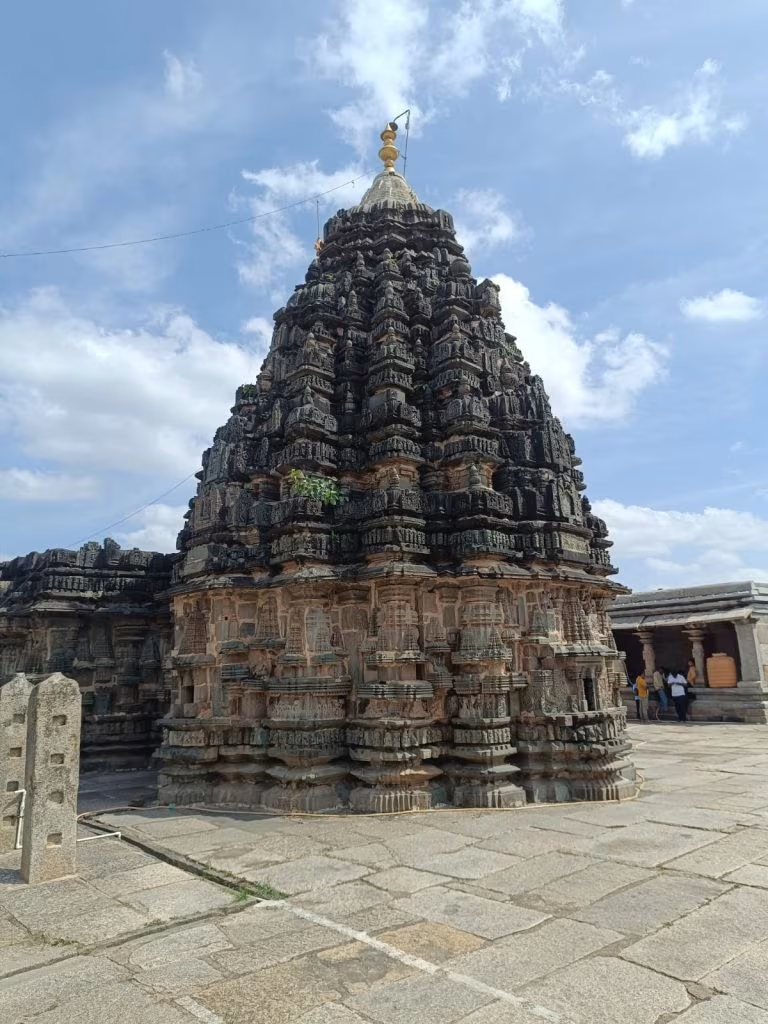
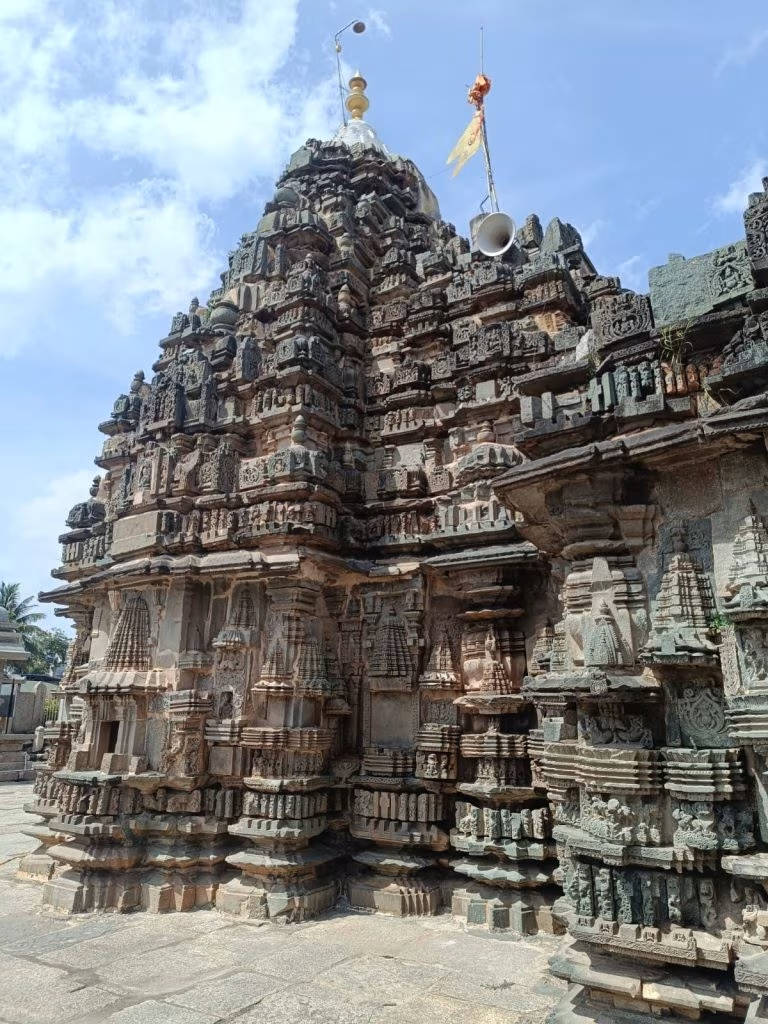
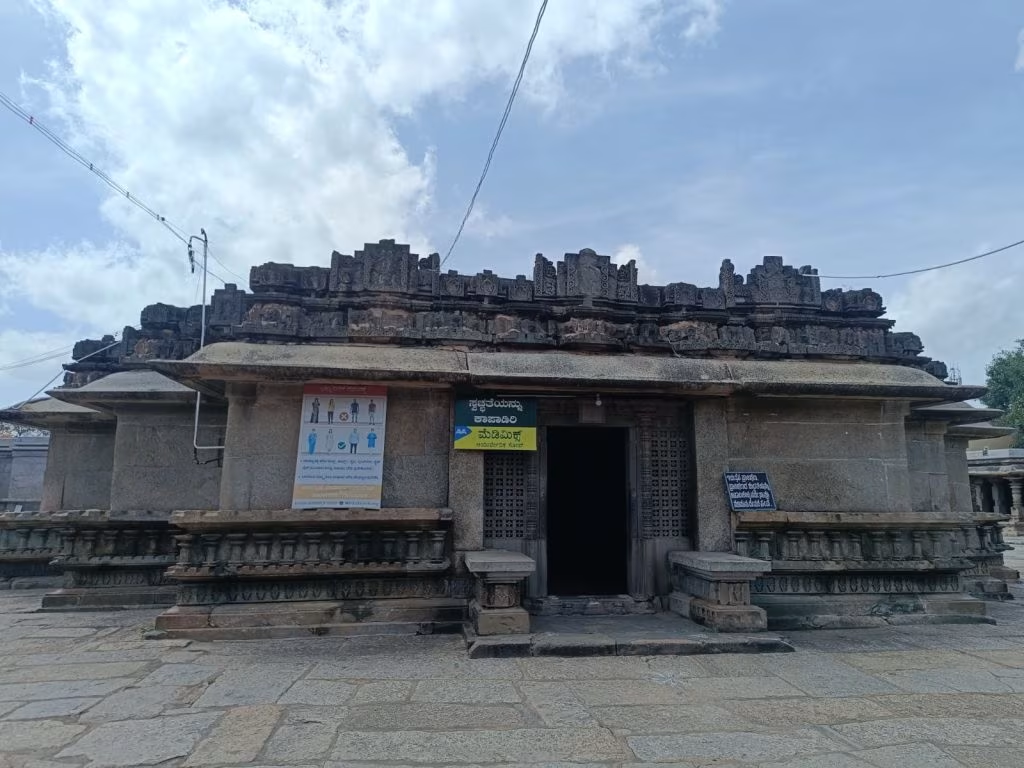
A protected monument dating back to the Chalukya era, dedicated to Lord Shiva. It is famous for its intricate stone screens and decorative pillars. The adjacent Saraswati Temple is renowned for its exquisite craftsmanship, featuring life-sized carvings that are considered masterpieces of Chalukyan art.
Veeranarayana Temple (Gadag City)
This active temple blends Chalukya, Hoysala, and Vijayanagara architectural styles. It holds immense literary significance; legend and history assert that the poet Kumaravyasa composed his Kannada rendition of the Mahabharata seated beneath a pillar in this temple hall.
Lakkundi (12 km from Gadag)
Once a royal mint (Tankanashala), Lakkundi is a heritage village dotted with over 50 ancient temples and stepped wells (Pushkaranis).
Must-Visit: The Kashi Vishweshwara Temple (known for its double sanctum) and the Brahma Jinalaya (a Jain basadi built by Queen Attimabbe).
Musukina Bavi: A popular ancient stepped well that showcases the water management systems of the past.
Dambal (20 km from Gadag)
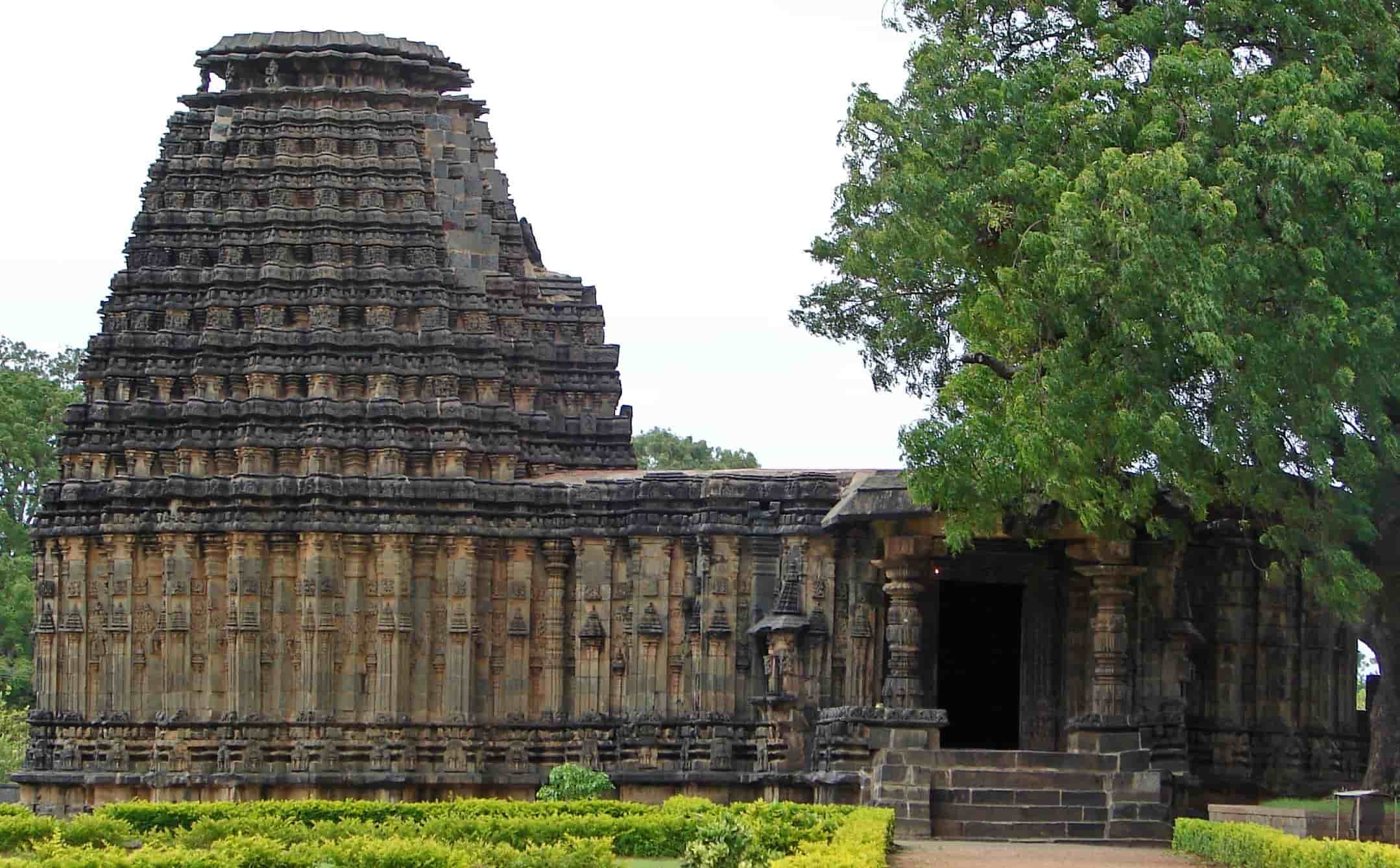
Home to the Dodda Basappa Temple, a 12th-century marvel dedicated to Lord Shiva. It is famous for its unique 24-pointed stellate (star-shaped) plan, a rare architectural feature that creates a mesmerizing play of light and shadow.
Annigeri (35 km from Gadag)
The birthplace of the ‘Adikavi’ (First Poet) Pampa. The Amrutheshwara Temple here, built from black soapstone with 76 pillars, represents the prototype of the later Chalukyan style.
Nature & Eco-Tourism
Magadi Bird Sanctuary: Located 26 km from Gadag, the Magadi Tank is a designated bird sanctuary. It is one of the few places in South India that hosts the Bar-headed Goose (Anser indicus), which migrates here from Central Asia and Mongolia during the winter.
Best Time for Birdwatching: November to February.
Kappatagudda Wildlife Sanctuary:
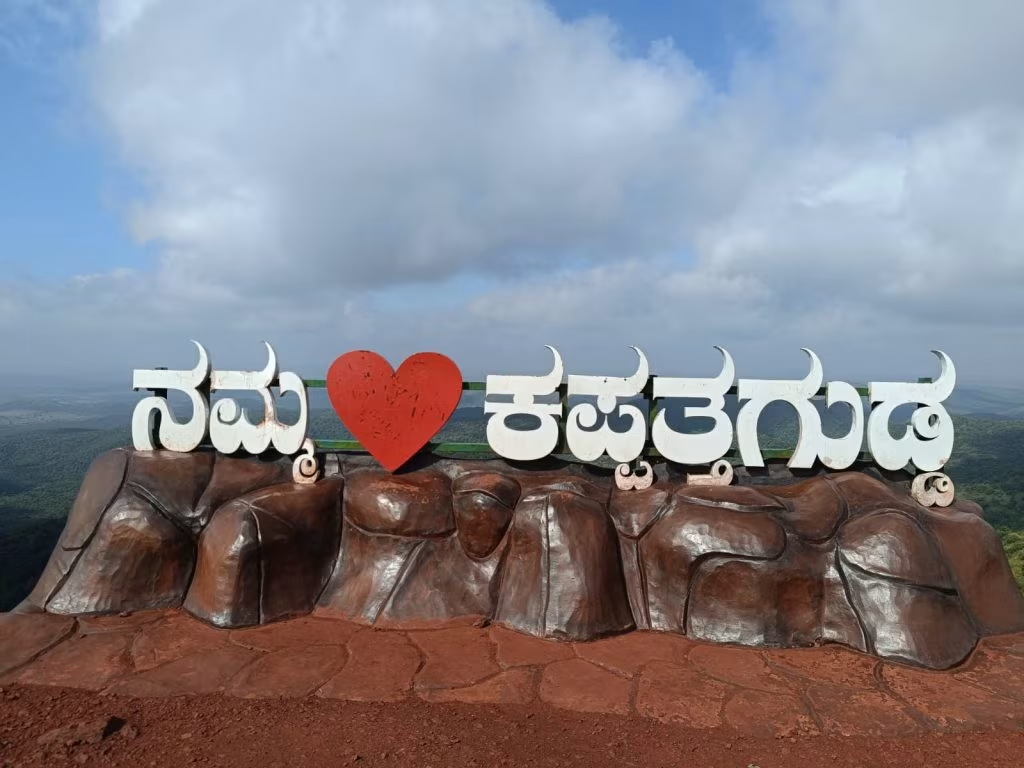
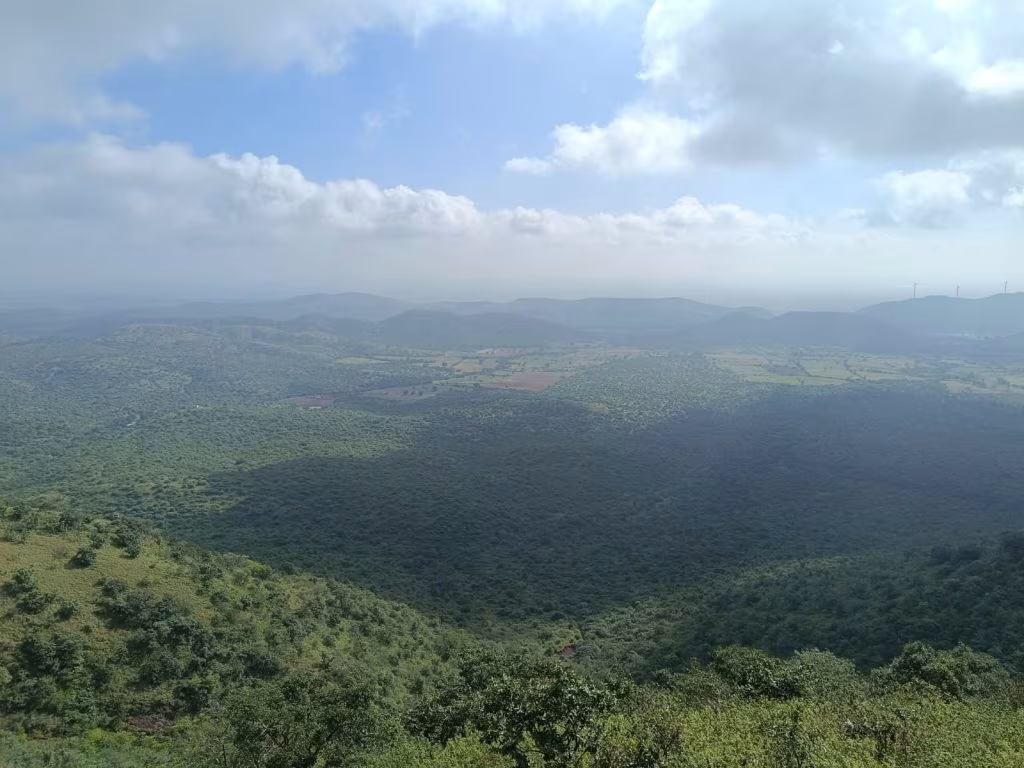
Recently declared a wildlife sanctuary, this hill range is revered as the “Oxygen Hub” of North Karnataka. It is widely reputed to be one of the few places in Asia with an exceptionally high concentration of pure oxygen, attributed to its dense cover of unique medicinal plants. Beyond its healing atmosphere, the hills are also the site of extensive wind farms, showcasing a stunning blend of biodiversity and renewable energy.
Binkadakatti Zoo
Situated on the outskirts of the city, this is a Zoological Park maintained by the Forest Department, housing regional flora and fauna.
Living Heritage: Arts, Crafts & Livelihoods
Crafts, Textiles & Art Forms
- The Weavers of Betageri: Gadag’s twin city, Betageri, is synonymous with handloom excellence. The region is famous for its distinct Gadag Cotton Sarees, known for their durability, check patterns, and contrasting borders. The click-clack of looms is the heartbeat of this area, where weaver cooperative societies produce high-quality fabrics.
- Kasuti Embroidery: The domestic art of Kasuti (intricate geometric hand embroidery without using knots) is widely practiced by women in Gadag households to embellish sarees and blouses.
- Lambani Art: In the rural belts near the Lamani Tandas, one can find the vibrant, mirror-work embroidery and colorful patchwork textiles unique to the Lambani community.
Folk Traditions, Music & Literature
- Hindustani Classical Heritage: Gadag is a powerhouse of Hindustani Classical music. It is home to the Veereshwara Punyashrama, a renowned music school for the visually impaired founded by Ganayogi Panchakshari Gawai. This institution has produced legendary musicians, including Pt. Puttaraj Gawai, keeping the Gwalior and Kirana gharana traditions alive.
- Printing & Publishing: Gadag has a long-standing history as a center for printing presses, contributing significantly to the preservation of Kannada literature.
- Folk Arts: The rural landscape comes alive with Dollu Kunita (drum dance) and Gigi Pada (folk songs sung in high pitch narrating stories) during village fairs, reflecting the rugged energy of the region.
Local Livelihoods Tied to Identity
- Dry-Land Farming: The landscape is often painted in yellow and green due to the extensive cultivation of sunflowers, groundnuts, and jowar (sorghum). The resilience of the farmers in this semi-arid region is a defining trait of the district.
- Wind Energy Pioneers: The Kappatagudda hills are the site of one of India’s earliest and largest wind farms. The sight of massive wind turbines dotting the hills symbolizes Gadag’s transition from ancient agriculture to modern sustainable energy.
Festivals & Events
Lakkundi Utsav
- Season: Generally held in December or January (Winter).
- Cultural Relevance: The flagship heritage festival of the district organized by the Government. It celebrates the architectural grandeur of Lakkundi village.
- Why it’s special: The ancient temples are illuminated, creating a breathtaking backdrop for performances by renowned classical musicians, dancers, and folk artists.
Veeranarayana Temple Rathotsava (Car Festival)
- Season: March/April (During Chaitra Masa).
- Cultural Relevance: A grand religious procession where the deity Lord Veeranarayana is paraded in a massive wooden chariot.
- Why it’s special: It offers a glimpse into the devotional fervor of North Karnataka, accompanied by traditional music, chanting, and community feasting.
Magadi Bird Sanctuary Season
- Season: November to February.
- Why it’s special: It is a photographer’s paradise and the only time to see the migratory Bar-headed Geese from Mongolia in such large numbers.
Culinary Highlights
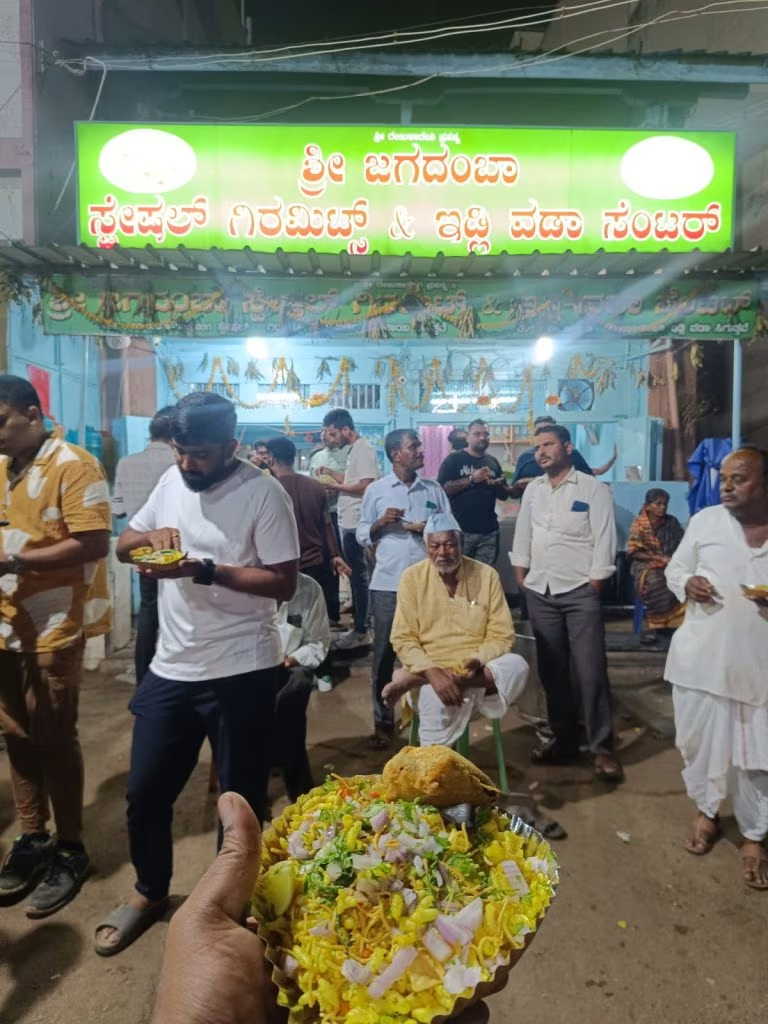
Girmit
A signature snack of the region, made from puffed rice, spices, onions, and tamarind, often served with Mirchi Bajji (chili fritters)
Jolada Rotti Oota
The staple diet of North Karnataka, consisting of Sorghum bread, spicy curries (Yennegai), and pulses, available at local Khanavalis (eateries).
Traveler Information
Connectivity
- By Air: The nearest airport is Hubballi (HBX), approximately 60 km away.
- By Train: Gadag Junction is a major railway hub with direct trains to Bengaluru, Mumbai, Hyderabad, and Vijayapura.
- By Road: Well-connected by National Highways to Hubballi, Hosapete (Hampi), and Bagalkot.
Best Time to Visit
- October to March: The winter season is pleasant and ideal for heritage walks and birdwatching.
Suggested Itinerary
- Day 1: Veeranarayana Temple, Trikuteshwara Temple, and Lakkundi.
- Day 2: Magadi Bird Sanctuary (Early Morning), Dambal, and shopping for Handlooms in Betageri.
Nearby Districts & Important Towns
Located centrally, Gadag serves as a convenient base to explore the “Heritage Triangle” of North Karnataka:
- Hubballi-Dharwad (60 km West): The commercial and cultural capital of North Karnataka.
- Hampi / Hosapete (90 km East): The UNESCO World Heritage site and capital of the Vijayanagara Empire.
- Badami, Aihole & Pattadakal (Approx. 70-90 km North): The cradle of rock-cut architecture in Bagalkot district.
- Koppal (60 km East): Known for the massive Koppal Fort and traditional Kinnal craft.
- Kuknoor (25 km North): Home to the Navalinga Temple complex and the Mahamaya Temple.
Experience Gadag:
Where the stones tell stories, the looms weave tradition, and nature welcomes you home.