The Historic Fort City of Granite and Valour
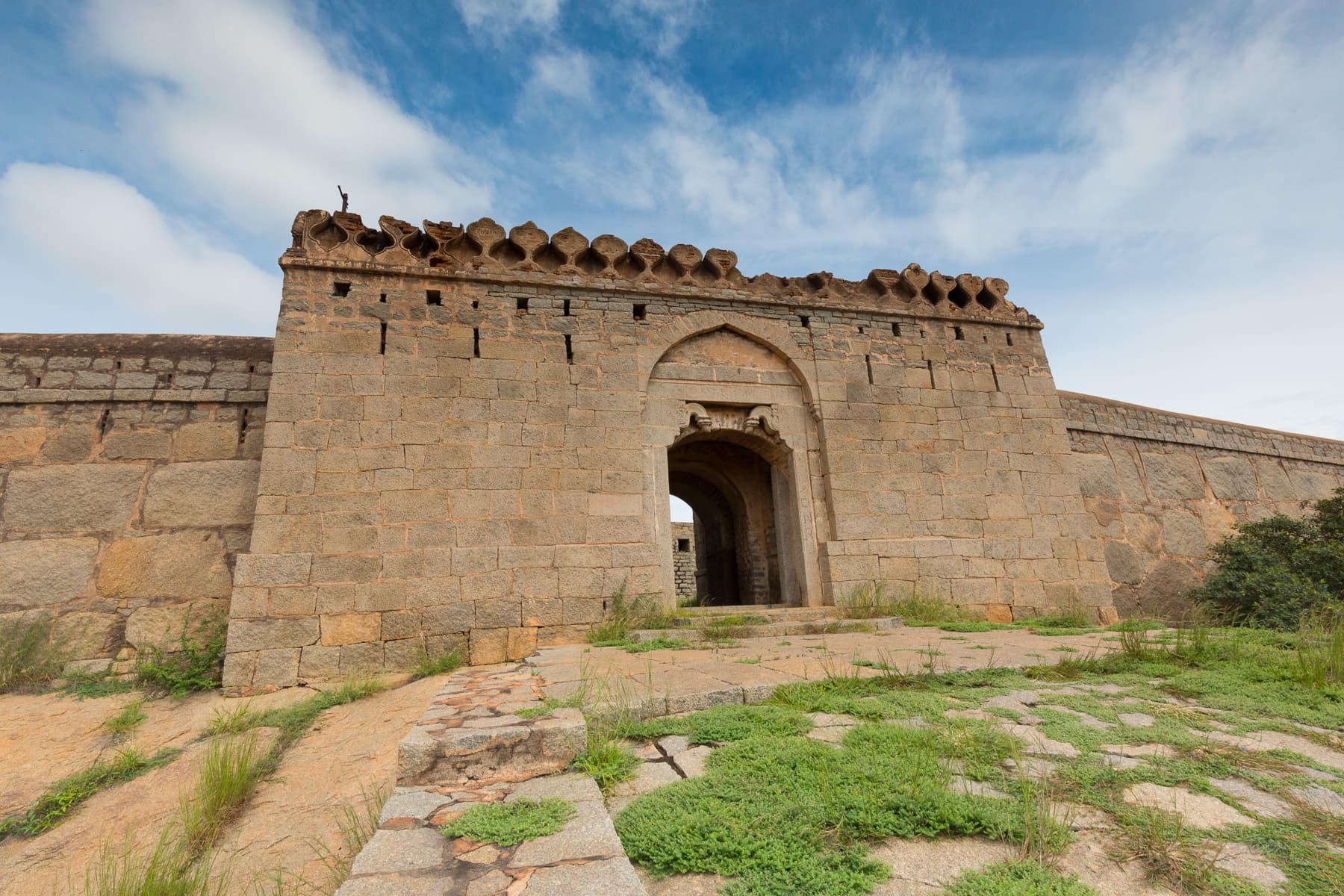
Deep in the heart of Karnataka’s eastern plains lies Ballari, a captivating district dominated by massive volcanic granite boulders, towering monolithic hills, and a legendary military past. Widely recognized as a major industrial hub and affectionately dubbed the “Jeans Capital of India,” Ballari is primarily a treasure trove for heritage travelers. The landscape is defined by the colossal Ballari Gudda, which holds an ancient architectural stronghold that watched over the shifting boundaries of South India’s greatest empires—from the Satavahanas and the Vijayanagara monarchs to Hyder Ali and the British Raj.
The Sacred Etymology: Why Ballari?
The name Ballari carries a fascinating mythological origin linked to the Ramayana era. According to local folklore and native Kannada scriptures, the word derives from Balari, a dedicated goddess who protected the region. Another highly accepted scriptural belief states that the great Pandava brother, Bheema, killed a terrifying demon named Bakasura right on these rocky outskirts. To mark his victory, Bheema installed a Shivalinga here. Because the local priests used a specific structural measurement called Balla (a traditional dry-measure cup) to offer ritual grains to the deity, the town gradually became known as Ballari.

Ballari Location & How to Reach
- Location: Ballari District, Eastern Karnataka (bordering Andhra Pradesh).
- Nearest Major City: Hosapete (~60 km) | Bengaluru (~310 km).
- By Road: Ballari enjoys seamless connectivity via National Highway NH-150A. Frequent KSRTC and private luxury sleeper buses operate continuously from Bengaluru, Hubballi, and Mysuru.
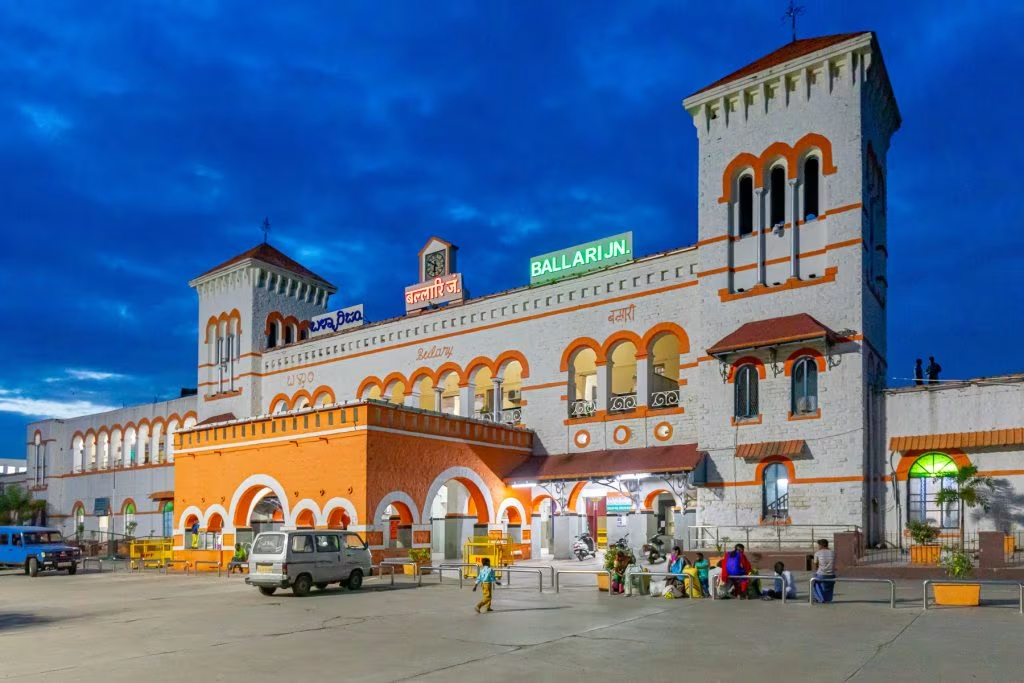
- By Train: Ballari Junction (BAY) is a major railway hub. It connects directly to regular daily express and superfast trains arriving from Bengaluru, Hyderabad, Hubballi, and Goa.
- By Air: The closest domestic terminal is Jindal Vijayanagar Airport at Toranagallu (just 35 km away), which operates daily regional flights. The nearest international gateway is Kempegowda International Airport in Bengaluru.
The Magnificent Ballari Fort Complex
The structural layout of the iconic Ballari Fort is what makes this destination truly special. Perched dramatically atop the massive Ballari Gudda (Fort Hill), this defensive complex splits into two spectacular architectural zones:
- The Upper Fort: Built originally during the Vijayanagara Empire’s rule by a local chieftain named Hanumappa Nayaka. It features a high, fortified citadel sitting 460 feet above the plains, containing deep rock-cut cisterns designed to store water for long sieges.’

- The Lower Fort: Added much later in the 18th century by Hyder Ali with the technical help of a French engineer. This lower section encloses a sprawling military garrison protected by thick ramparts, deep moats, and massive entry gates.
A Historic Twist: Legend states that after completing the Lower Fort, Hyder Ali realized the French engineer had built it lower than the opposite Kumbara Gudda hill, making it vulnerable to artillery fire. In a fit of military rage, Hyder Ali ordered the execution of the engineer, whose grave remains at the eastern fort gate to this day.
Essential Visitor Information
| Detail | Information |
| Fort Timings | Open daily from 6:00 AM to 6:00 PM. Arriving before 8:00 AM or after 4:30 PM is ideal to avoid intense midday heat. |
| Difficulty Level | Easy to Moderate. Climbing the Upper Fort requires walking up nearly 400 stone steps carved directly into the granite rock. |
| Entry Fee | Completely free for all visitors. |
| Photography | Permitted across all fort zones. The summit offers a spectacular 360-degree panoramic view of the entire city. |
Best Time to Visit Ballari
- Peak Season – November to February: This winter window is the perfect time to explore. The weather becomes highly comfortable, dropping the intense Deccan temperatures to a pleasant breeze.
- Summer – March to June: Temperatures frequently soar above 40°C, making outdoor sightseeing and rock climbing highly exhausting. Avoid this period unless traveling for specific festivals.
- Monsoon Season – July to October: Bring a light jacket or umbrella. The granite rocks become slippery, but the vast plains turn beautifully fresh and green.
Places to Visit In & Around Ballari
1. The Ballari Fort and Monolithic Hills
The undisputed face of the city. Apart from the main Fort Hill, travelers regularly explore the adjacent Kumbara Gudda (Face Hill), named so because the natural rock formations create the uncanny silhouette of a human face looking toward the sky.
2. Mincheri Hill Station
Located just 15 km outside Ballari city, this scenic hill station offers a sudden escape into cool, refreshing air. It features a beautiful, winding ghat road, lush greenery, and panoramic valley views, making it a favorite weekend getaway for local nature lovers.
3. Sirekola and Kumaraswamy Temple
Situated in the Sandur hill ranges nearby, this region changes from arid plains into dense, mineral-rich green forests. The ancient Kumaraswamy Temple complex here holds immense historical value, dating back to the Badami Chalukya architectural era.
4. World Heritage Proximity (Hampi)
While technically in the neighboring Vijayanagara district, the UNESCO World Heritage Site of Hampi sits just 60 km west of Ballari. Travelers regularly use Ballari as their primary regional base to combine a modern city experience with the ruins of the Vijayanagara capital.
Local Delicacies & The GI-Tagged Heritage
The dry, warm climate of Ballari yields a unique culinary profile and a highly celebrated handicraft culture that represents the true spirit of the district.
- Ballari Urdunoolu Sarees (GI Tag No. 642): Ballari is proudly home to the globally recognized Ballari Urdunoolu Sarees, which hold an official Geographical Indication tag. Woven by master traditional weavers using highly specialized twisted cotton yarns, these sarees feature stunning, durable geometric borders and vibrant native color combinations that look incredibly striking.
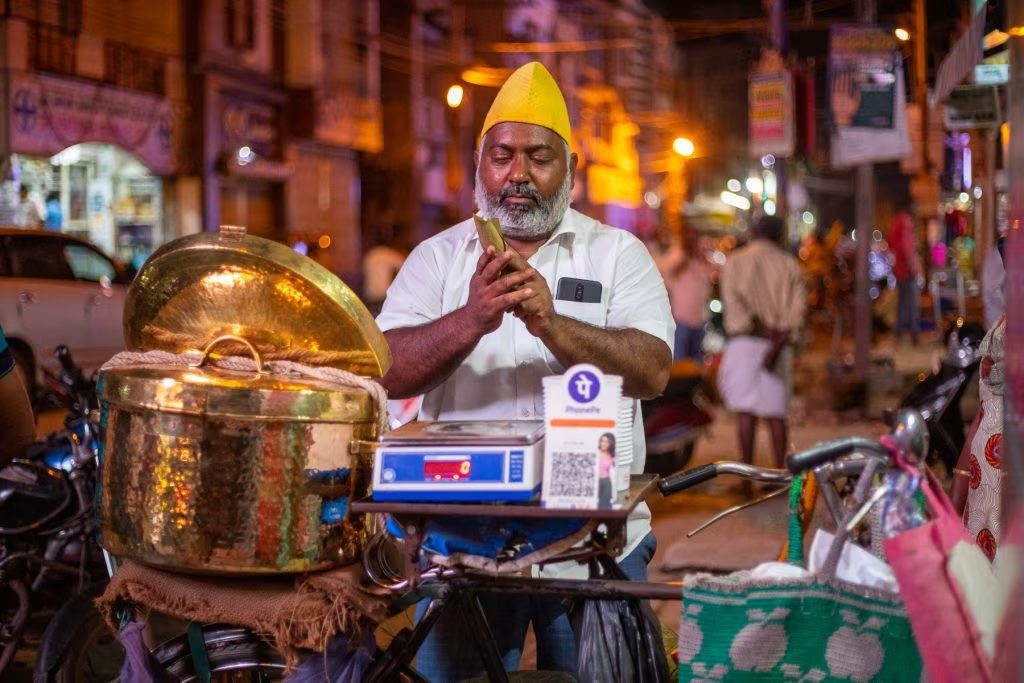
- The Ballari Cycle Khova: A legendary local sweet delicacy. Prepared by slow-reducing pure milk over wooden fires for hours, it gets its quirky name because vendors historically sold it fresh every morning from large brass containers mounted on bicycles. It has an ultra-rich, granular texture and a mild caramel sweetness.
- Spicy Mirchi Bajji and Mandakki Oggarane: The absolute staple street food of Ballari. It features hot, puffed rice seasoned with roasted gram powder, mustard, and green chilies, served fresh alongside crispy, deep-fried green chili fritters.
- The Apparel Hub: Do not forget to browse the local markets for premium denim. The town houses a massive, bustling apparel industry that produces high-quality, durable denim garments distributed all over India.
Tips & Safety Guidelines for Travelers
- Hydration is Key: Because of the semi-arid Deccan climate, carry at least 2 liters of water per person when climbing the fort steps. Wear a wide-brimmed hat and apply sunblock.
- Watch Your Step: The old stone steps of the upper fort can be uneven and smooth. Avoid flip-flops and wear sturdy sports shoes with an excellent grip.
- Start Early for Sunsets: Aim to reach the summit of the fort by 5:15 PM. Watching the sun drop behind the vast, rocky Deccan horizon from the citadel walls is an unforgettable sight.
- Carry Cash: While digital merchant codes work across apparel showrooms and major hotels, local street food vendors and auto drivers prefer physical cash.
The Soul of the Deccan Plains
Ballari rewards those who appreciate raw, rustic beauty and undiluted history. Far away from typical commercial tourist traps, this rugged fortress district offers an authentic travel experience: from the sweeping panoramic vistas atop ancient granite citadel walls to the rhythmic clacking of looms weaving GI-tagged sarees. Ballari stands as a resilient, living testament to Karnataka’s enduring frontier history.
FAQs
Why is Ballari called the Jeans City of India?
Ballari houses a massive, decades-old garment industry specializing in denim. Hundreds of local manufacturing units produce high-quality, affordable jeans and apparel distributed widely across the Indian market.
How many steps do we need to climb to reach the top of Ballari Fort?
Reaching the stunning Upper Fort citadel requires climbing approximately 400 stone steps carved directly into the granite hill. It takes about 25 to 30 minutes of comfortable walking.
What is unique about Ballari Urdunoolu Sarees?
These sarees hold an official GI Tag protection due to their unique weaving technique. Weavers use specialized twisted cotton yarns (Urdunoolu), which give the sarees remarkable durability, vivid colors, and distinct traditional borders.
What is the closest tourist destination to Ballari?
The globally famous UNESCO World Heritage Site of Hampi is the closest major destination, located just 60 km west of Ballari city.