
The Living Performance of Karnataka
Karnataka is not just a place you visit – it is a destination that performs for you.
Across its mountains, coasts, forests and ancient towns, Karnataka carries a living, pulsating rhythm. This rhythm has been shaped over centuries, connecting communities, sacred rituals, and compelling local stories. Here, dance is not merely a performance, it is an sacred harmony between the land and its people, a vital expression of Karnataka culture.
Whether you are a local who grew up with these traditions, a curious traveler seeking cultural depth or a visitor discovering South India for the first time, the state’s dance heritage has a powerful way of drawing you in – through vivid colour, dynamic movement and unforgettable narratives.
Here are six traditional dances of Karnataka you must witness to truly experience the state’s soul.
1. Yakshagana – The Night That Becomes a Stage
Yakshagana is one of Karnataka’s most recognisable traditional art forms, originating primarily in the coastal districts of Dakshina Kannada and Udupi, as well as parts of Uttara Kannada.
It is a unique blend of dance, drama, music, and dialogue based largely on stories from the Ramayana, Mahabharata, and other local legends.
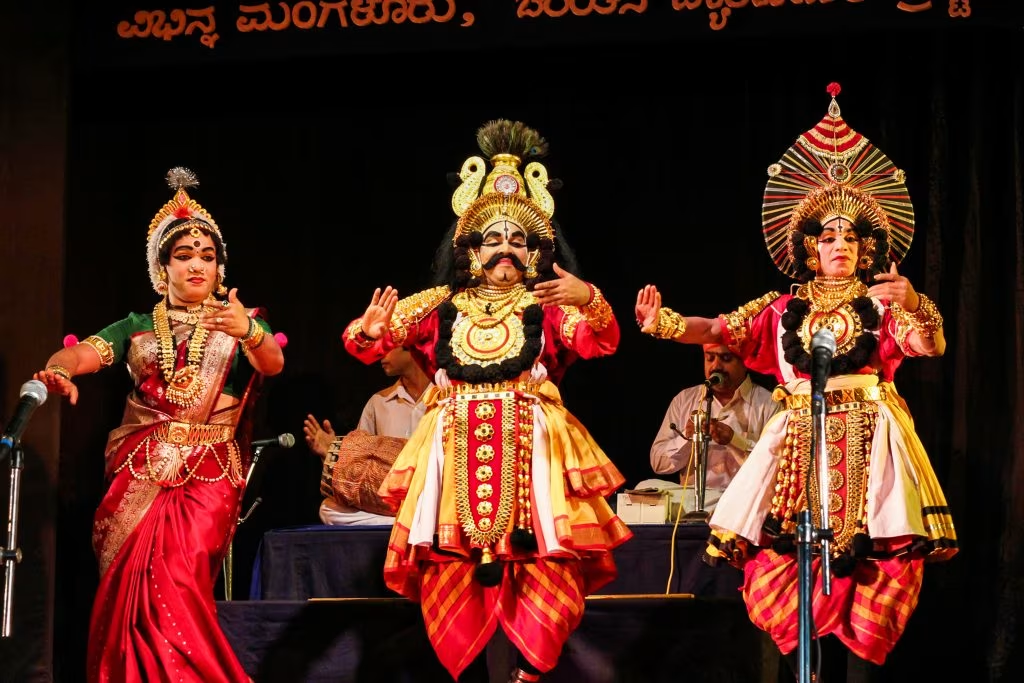
Performances typically begin at dusk and continue late into the night. Artists wear elaborate costumes, striking face paint, and towering headgear. A traditional orchestra – led by the chande (drum), maddale (hand drum), and a powerful vocal lead -maintains the rhythm and emotional arc of the story.
Yakshagana is widely recognised as one of the most immersive theatrical traditions in India, and remains an important cultural symbol in Karnataka.
2. Dollu Kunitha – Where the Drum Becomes a Heartbeat
Dollu Kunitha is a vigorous drum-dance tradition. It is especially popular in the central regions of the state.
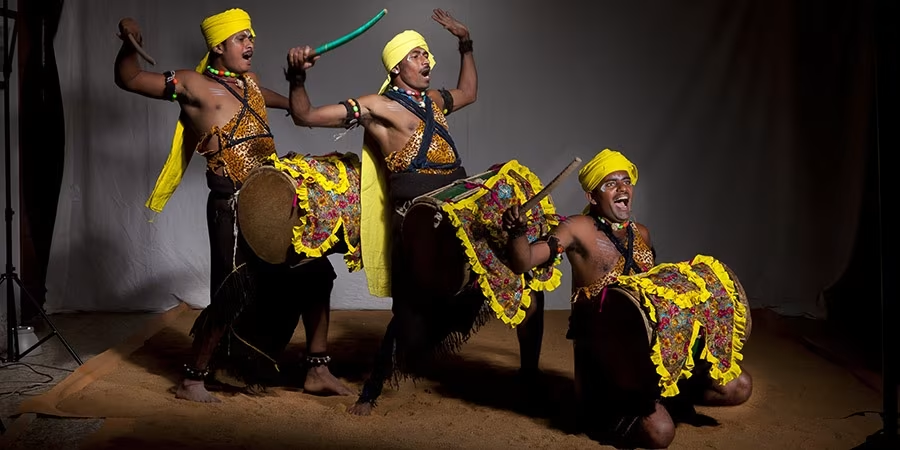
Performers carry large cylindrical drums (dollu) tied to their bodies and dance in synchronised formations. The powerful beats, energetic movements, and precise footwork create an atmosphere of enthusiasm and celebration. Traditionally, Dollu Kunitha is performed during temple festivals, processions, and significant community gatherings.
The dance represents discipline, strength, and collective unity — qualities that define many folk traditions of Karnataka.
3. Kodava Dance – Grace Rooted in the Land
From the lush, misty landscapes of Kodagu (Coorg) emerges Kodava dance – a tradition reflecting the unique customs and community life of the Kodava people.
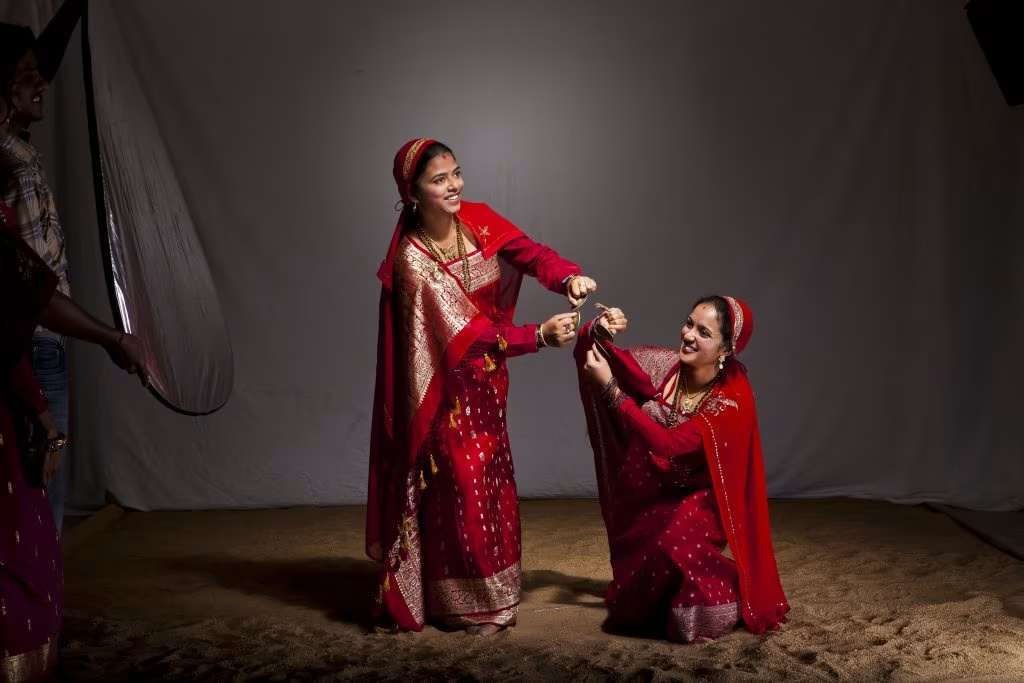
These dignified and harmonious dances are frequently performed during festivals such as Kailpodh, Kaveri Sankramana, and Puthari (the harvest festival). Unlike the dramatic forms, Kodava dances are often simple and elegant, performed without exaggerated expressions or ornate costumes, highlighting themes of community bonding and ancestry. They embody the ethos of the Kodava community: proud, united, and deeply connected to their breathtaking land.
4. Kamsale – A Dance of Devotion and Discipline
Kamsale is a devotional folk art form closely associated with the worship of Lord Mahadeshwara, especially in the Mysuru and Chamarajanagar regions.

Performers hold a pair of cymbal-like instruments – the Kamsale – which they strike rhythmically while executing coordinated dance movements. The artists, traditionally devotees known as Devaraguddas, undergo disciplined training as the dance is considered a sacred offering. The attire, often in hues of saffron and yellow, signifies spiritual commitment.
Kamsale continues to be performed during pilgrimage events and religious processions, sustaining an important aspect of Karnataka’s spiritual heritage.
5. Huli Vesha / Pili Nalike – The divine spirit of the coast
Huli Vesha, meaning “Tiger Costume,” is a vibrant, high-energy folk dance popular in the coastal districts, often referred to as the “Tiger Dance.”

It is predominantly performed during Navaratri, especially as part of the spectacular Mangaluru Dasara celebrations. Artists spend hours painting their bodies with intricate, tiger-like patterns. The ensuing dance, accompanied by loud drums and traditional music, is spirited, acrobatic and entirely community-driven. Huli Vesha symbolizes courage and festivity, making it an integral part of coastal Karnataka’s cultural identity.
6. Somana Kunitha – Where Masks Carry Divine Power
Somana Kunitha is a traditional ritualistic dance performed in parts of southern Karnataka, including Mandya, Mysuru, and Hassan, specifically associated with the worship of village deities.

The defining feature of this dance is the large, colourful masks known as “somas.” Each mask represents a specific deity or spirit, and the dancer wearing it is believed to embody a divine presence during the ritual. The movements are deliberate and ceremonial, accompanied by folk instruments that heighten the spiritual atmosphere. Somana Kunitha reflects Karnataka’s rich tradition of community rituals, preserving beliefs that have shaped rural life for generations.
Why These Dances Matter Today?
Karnataka’s dance traditions are not relics of the past. They are living, breathing practices that continue to evolve while fiercely preserving cultural memory. Each art form reflects the unique stories, values and identities of the diverse communities that nurture them.
In an era of rapid change, these traditions offer continuity-reminding us of the richness of shared heritage, the importance of collective celebration, and the enduring power of human artistic expression.
Travel Through Karnataka’s Rhythm and Colour
Across the Western Ghats, the coastline, the plains, and the historic heartlands of the state, dance remains a vibrant thread that connects Karnataka’s many worlds.
As you journey through its villages and cities, these art forms appear as cultural companions – each offering a profound window into the narratives that shaped them.
To witness these traditional dances of Karnataka is to experience the state through its people, its festivals, and its enduring, magnificent traditions.
Ready to Plan Your Cultural Journey?
When to Go: Plan your trip around the Navaratri/Dasara festival (usually Sep/Oct) to catch spectacular performances of Yakshagana and Huli Vesha in the coastal and Mysuru regions.
Deep Dive: Ask locals about upcoming temple festivals (jatre) to witness Dollu Kunitha or Somana Kunitha up close in a village setting.
Which of these Karnataka folk dances are you most excited to see? Tell us in the comments!