
Experience Makar Sankranti in Karnataka! Explore the Kite Festival, Siddheshwar Jatre, and authentic Ellu Bella treats.
As the winter sun begins its northward journey, the state of Karnataka transforms into a vibrant canvas of colors, devotion, and gratitude. While the rest of India celebrates the harvest season as Lohri, Pongal, or Bihu, Makar Sankranti in Karnataka – often locally called Suggi Habba – is celebrated with a unique blend of scientific tradition and spectacular grandeur. With Makar Sankranti 2026 set to grace the calendar on January 14th, the state is preparing for a celebration that is not just a festival, but a cultural phenomenon.
Why Makara Sankranti is Celebrated
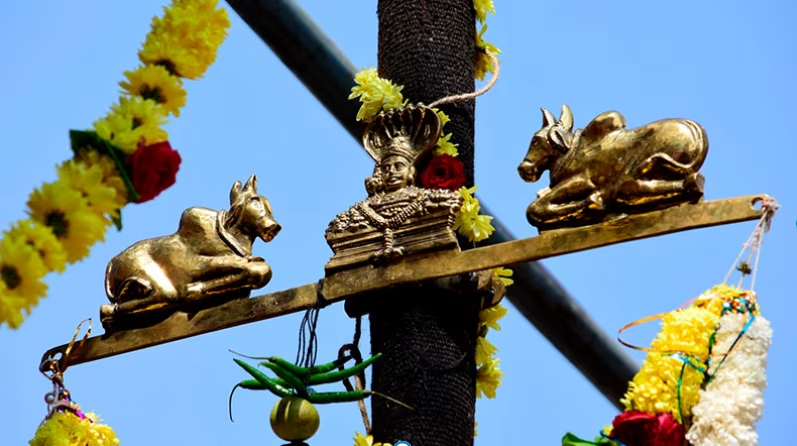
Sankranti Jatre, Bijapur
The festival is a fascinating intersection of astronomy and agriculture. Why Makar Sankranti is celebrated goes beyond mythology; it marks the precise astronomical event of the Sun entering the zodiac sign of Capricorn (Makar Rashi). This signals the beginning of Uttarayana, a six-month period considered auspicious for spiritual practices.Simultaneously, it is the grand Makar Sankranti harvest festival. In the rural heartlands, this is the “Thanksgiving of Karnataka.” Farmers, having reaped their first yields of sugarcane, turmeric, and paddy, offer these crops to the Sun God (Surya) as a tribute to the cosmic energy that fuels life on Earth.
Makar Sankranti Festival Celebration
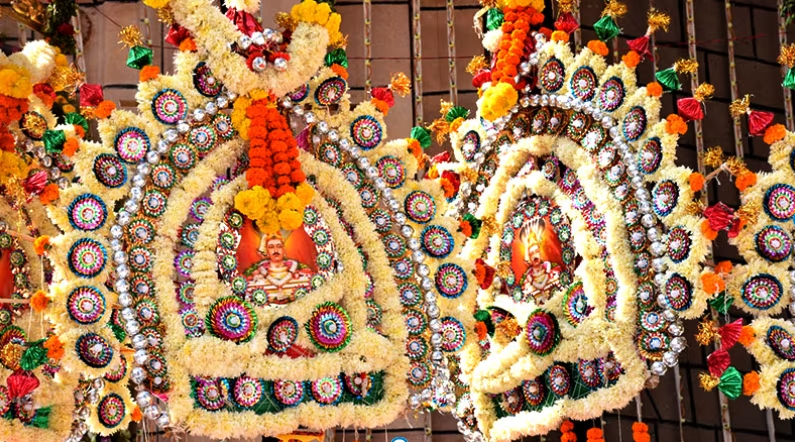
Makar Sankranti, Karnataka
The Makar Sankranti festival celebration in Karnataka is a massive community affair. In cities like Bengaluru, the celebrations are marked by the grandeur of the “Ellu Bella” tradition, while rural districts witness week-long car festivals (Jatras) that attract millions.
‘Everyone should be grateful to the farmland on which our food grows’ is the beautiful message of the festival. Spreading peace, love and harmony among all is the essence of the festival. Celebrations, good food, new clothes, joy, happiness, meeting and greeting people and exchanging sweets is something one can witness in every nook and corner of the state.
Like all other states in India, Sankranti in Karnataka too is celebrated with joy and happiness. In Karnataka too, farmers pray to the Sun God, Surya for showering sunlight in abundance on their farmlands which will help them grow and prosper. The first harvest of the season is offered to the Sun God as a token of thanksgiving for their safety and protection.Preparations for Sankranti begin days in advance by decluttering the house, getting it white-washed and decorating the house. The main doors are ornated with colourful auspicious torans (door hangings). The main entrance is decorated with rangolis of colourful powders and flowers.
Makar Sankranti – Food and Delicacies
In Karnataka, the Makar Sankranti food spread is a testament to the state’s culinary diversity. The menu is scientifically curated to keep the body warm during the final days of winter. Makar Sankranti dishes rely heavily on jaggery and sesame, which are natural heat boosters.
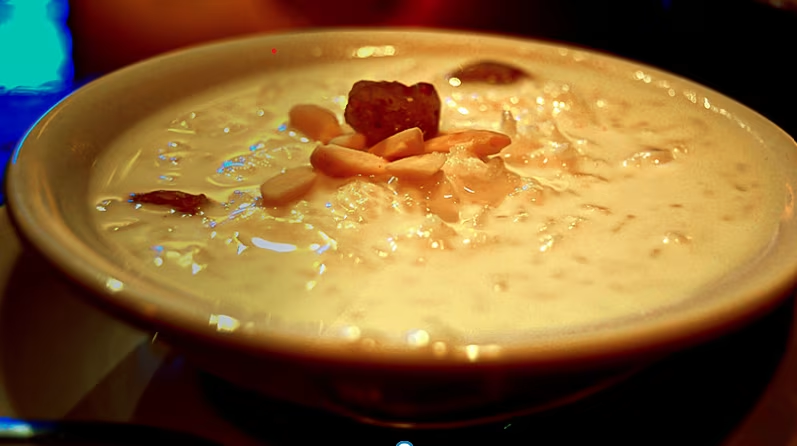
Payasa
Sweet Pongal (Huggi): Unlike the simple versions found elsewhere, the Karnataka Sihi Huggi is a rich concoction of harvest rice, moong dal, ghee, and jaggery, often simmered in milk for a creamy texture. These ingredients are rich in nutritional value and give warmth to the body. The most common sweets prepared and consumed are Til Ke Laddoo, Pongal – sweet and salted, Vade, Puliyogere rice and Payasa.

Kara Huggi
Makar Sankranti Kara Huggi (Khichdi): A savory counterpart to the sweet Pongal, this is spiced with cumin, pepper, and ginger. It is believed that consuming and donating this wholesome meal brings prosperity. It is also believed donating khichadi and sesame seeds sweets bring in good fortune.
Holige/Obbattu: No Karnataka festival is complete without this sweet flatbread, stuffed with a mixture of chana dal and jaggery, served piping hot with a drizzle of ghee.
Avarekalu Delicacies: Since Sankranti coincides with the hyacinth bean (Avarekalu) season, many households prepare unique gravies using these fresh beans.
The Sacred Exchange of Ellu Bella

Ellu Bella
The soul of the festival lies in a simple yet profound ritual unique to Karnataka. The preparation of Ellu Bella begins weeks in advance. This special trail mix is not cooked but assembled with precision: white sesame seeds, fried gram, dry coconut, peanuts, and jaggery.
It is distributed in a ritual called “Ellu Birodhu,” accompanied by the timeless Kannada saying:
“Ellu Bella thindu olle mathaadi” (Eat the mixture of sesame and jaggery, and speak only good words).
This practice is a social contract of forgiveness, where communities resolve old conflicts and renew bonds of friendship.
Other Activities During Makar Sankranti

Rangoli
The sky is vibrant with colourful kites on Sankranti. An age-old tradition of kite flying on Makar Sankranti is relished by all age groups with excitement and enthusiasm. Bonfire, singing and dancing, visiting temples, rangoli making competitions and even Kushti competition (wrestling) are the other activities dedicated to the festival.
The Science Behind the Makar Sankranti Kite Festival
Come January, the clear blue skies of Karnataka are taken over by a riot of colors. The Makar Sankranti kite festival is celebrated with immense enthusiasm, especially in northern districts.
But why do we fly kites on Makar Sankranti?
Research suggests this tradition was born out of health necessities. Ancient sages encouraged people to stand in the early morning sun to fly kites, ensuring their bodies absorbed Vitamin D to fight off winter infections and skin ailments. Today, this health ritual has evolved into a competitive and joyous sport.
Kichchu Haayisuvudu: The Fire Ritual of Mandya
In the Old Mysore region, specifically Mandya, the celebrations take a thrilling turn with Kichchu Haisodu. In a spectacular display of faith, bulls are decorated with colorful ribbons, bells, and paint, and led in a procession to rhythmic drumbeats. At dusk, they are made to run through a controlled fire.
While it looks daring, this ancient practice is rooted in veterinary hygiene; the heat and smoke were traditionally believed to rid the cattle of ticks and fleas picked up during the winter harvest.
Sri Gavi Gangadhareshwara Temple, Bangalore
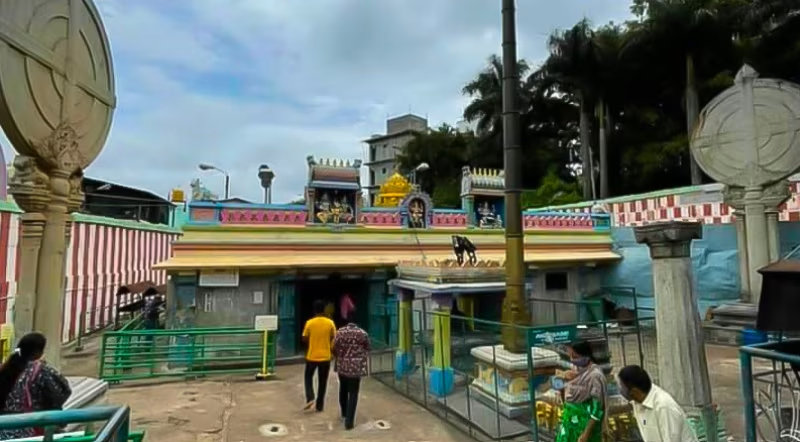
Sri Gavi Gangadhareshwara Temple, Bangalore
The Solar Phenomenon of Gavi Gangadhareshwara – For history buffs, the Gavi Gangadhareshwara Temple in Bengaluru offers a scientific marvel. Built in the 16th century by Kempe Gowda I, this cave temple demonstrates the architectural genius of the past. On Makar Sankranti, typically between 5:00 PM and 5:30 PM, the sun’s rays pass through an arch and two stone discs to precisely illuminate the Shivalinga in the inner sanctum. It is a fleeting moment of celestial alignment that leaves thousands of devotees spellbound.
The Grandeur of Siddheshwar Jatre, Vijayapura(Bijapur)
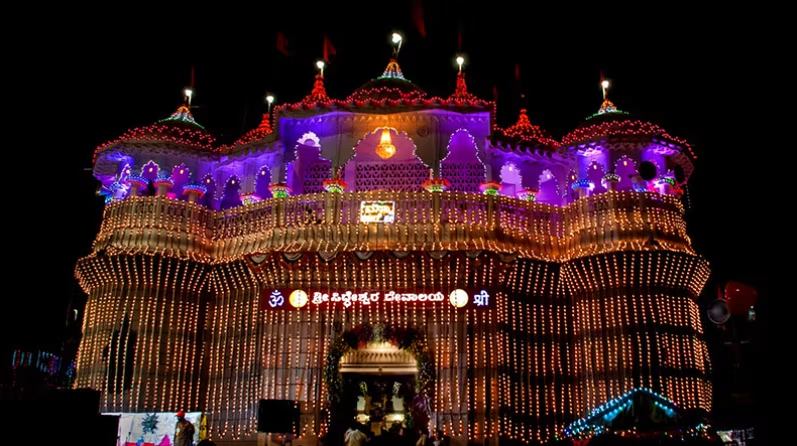
Sidheswar Jatre,Bijapur
Perhaps the most grandiose celebration occurs in Vijayapura (Bijapur). The Siddheshwar Jatre is not just a fair; it is a week-long carnival. The highlight is the procession of the Nandi Dhwaja (decorated poles), accompanied by grand firework displays that light up the night sky. The event also hosts one of the largest cattle fairs in the region, where farmers from across North Karnataka trade and display their prized livestock.
The festival brings kindness, harmony, gratitude and love among people.
Safety First: Important Advisory for Citizens
As we celebrate the joy of Sankranti, we urge all citizens and tourists to prioritize safety. Please follow these precautions to ensure a hazard-free festival:
For Two-Wheeler Riders (Crucial): During the kite festival, sharp strings (manja) often hang across roads and can be invisible to riders.
Always wear a full-face helmet with the visor down.
Protective Neck Gear: It is highly recommended to wrap a thick towel or scarf around your neck while riding. This acts as a shield against sharp kite threads that can cause severe injuries.
Eco-Friendly Kiting: Please avoid using glass-coated (Chinese manja) strings. They are fatal to birds and dangerous for humans. Use cotton threads instead.
Bird Safety: Avoid flying kites during dawn (6 AM – 8 AM) and dusk (5 PM – 7 PM), as this is when bird activity is highest.
Fire Ritual Safety: If witnessing the Kichchu Haisodu (fire ritual), maintain a safe distance from the cattle and the fire to prevent accidental burns or stampedes.
Makar Sankranti 2026 is more than a holiday; it is an invitation to witness Karnataka in its most authentic form. From the sweet crunch of Makar Sankranti food items to the thunderous drums of the cattle processions, the festival offers a grand immersive experience into the heart of India’s heritage.