
As the moon fades, the stars align on the 14th night of Phalguna. This falls on February 15, 2026. Millions across India prepare for deep meditation. In Karnataka, this is a major cultural phenomenon. Cities and villages transform into hubs of spiritual light. But why is this night celebrated with such fervor? What makes the festival unique in the heart of Karnataka?
This guide covers everything for Maha Shivaratri 2026. It includes ancient stories and the best temples to visit in Bengaluru.
The Story Behind the Celebration
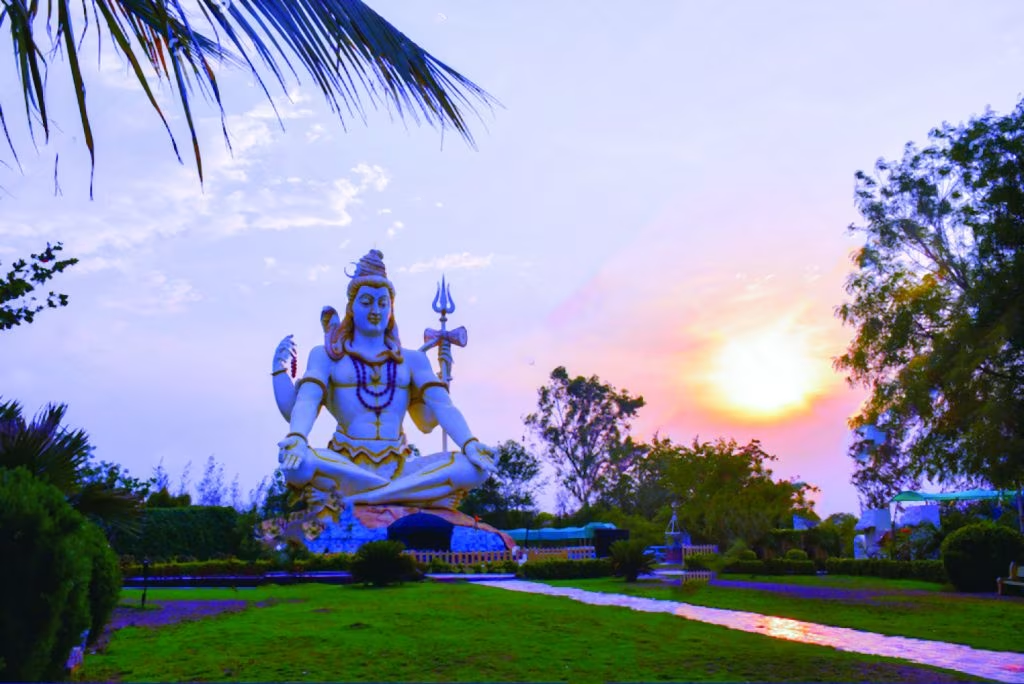
To appreciate the festival, look at its rich legends. The term literally translates to “The Great Night of Shiva.” Unlike most Hindu festivals, this is a nocturnal celebration. It focuses on the inner self.
One popular story is the Samudra Manthana (Churning of the Ocean). Legend says a deadly poison called ‘Halahala’ emerged first. Lord Shiva consumed the poison to save the universe. His throat turned blue, earning him the name Neelakanta. Others celebrate the wedding of Lord Shiva and Goddess Parvati. This symbolizes the union of Shakti and Purusha. For many, it marks the night of the Ananda Tandava. This is the cosmic dance of creation and destruction. Maha Shivaratri 2026 represents the victory of light over ignorance.
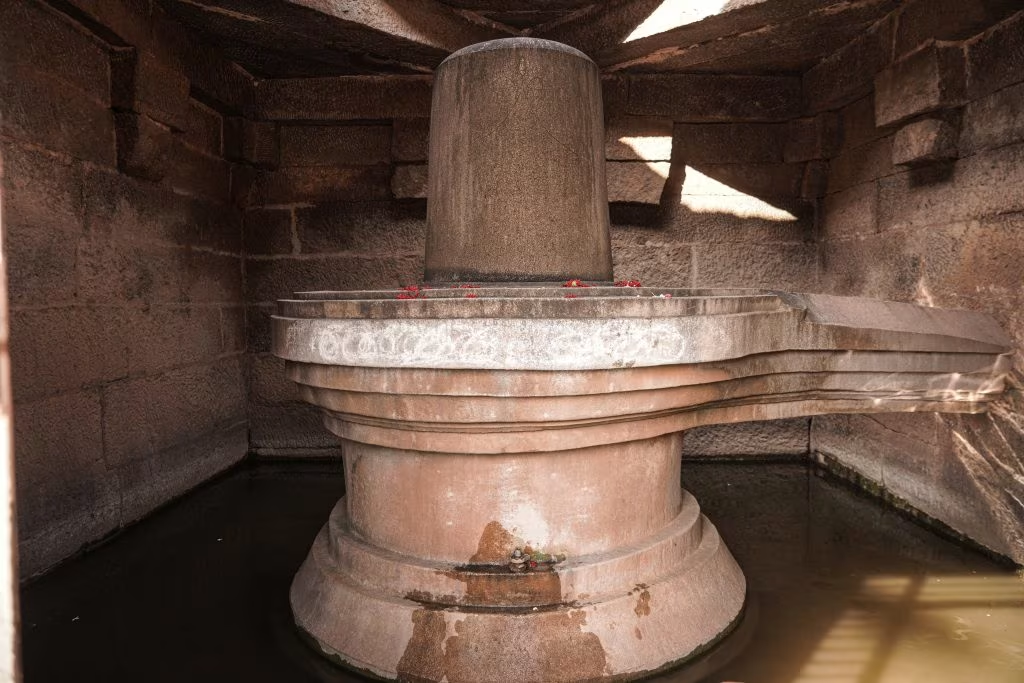
Others celebrate this as the auspicious wedding anniversary of Lord Shiva and Goddess Parvati, symbolizing the sacred union of Shakti(energy) and Purusha (consciousness). For the more philosophically inclined, it is believed to be the night when Shiva performed the Ananda Tandava – the cosmic dance of creation, preservation, and destruction. Each of these stories explains why shivaratri is celebrated as the victory of light over ignorance.
What to do on Maha Shivaratri?
The traditions help people connect with the divine. The day uses a disciplined lifestyle to prepare the mind.
- Vrat (Fasting): Many devotees observe a strict fast, known as Upavasa. Some avoid all food and water, while others consume only fruits and milk. The idea is to detoxify the body so the mind can focus entirely on meditation.
- Jagaran (The Night Vigil): The core of the festival is staying awake all night. Devotees believe that the planetary positions on this night create a natural upsurge of energy in the human spine.
- Panchamrita Abhishekam: The ritual bathing of the Shiva Linga with five sacred elements – milk, curd, honey, ghee, and sugar – is a sight to behold in any shiva temple in Karnataka.
- Chanting the Panchakshari Mantra: Throughout the night, the air resonates with the sound of “Om Namah Shivaya,” a mantra believed to harmonize the five elements within the human body.
How to celebrate Maha Shivaratri in Karnataka, Bengaluru
Karnataka offers a blend of Vedic discipline and folk traditions. Rural areas feature folk songs and Yakshagana performances. In Bengaluru, temple energy is electric. Queues form as early as 4:00 AM. The city does not sleep. From Whitefield to Basavanagudi, the fragrance of incense fills the air. Temple bells ring until the final Prahar puja at dawn. Maha Shivaratri 2026 will be a night of vibrant devotion.
Must-Visit Temples: Your Pilgrimage
If you seek the true essence of the festival, the choices are vast. Several iconic landmarks stand out within the city.
1. Bull Temple, Bengaluru (Basavanagudi)
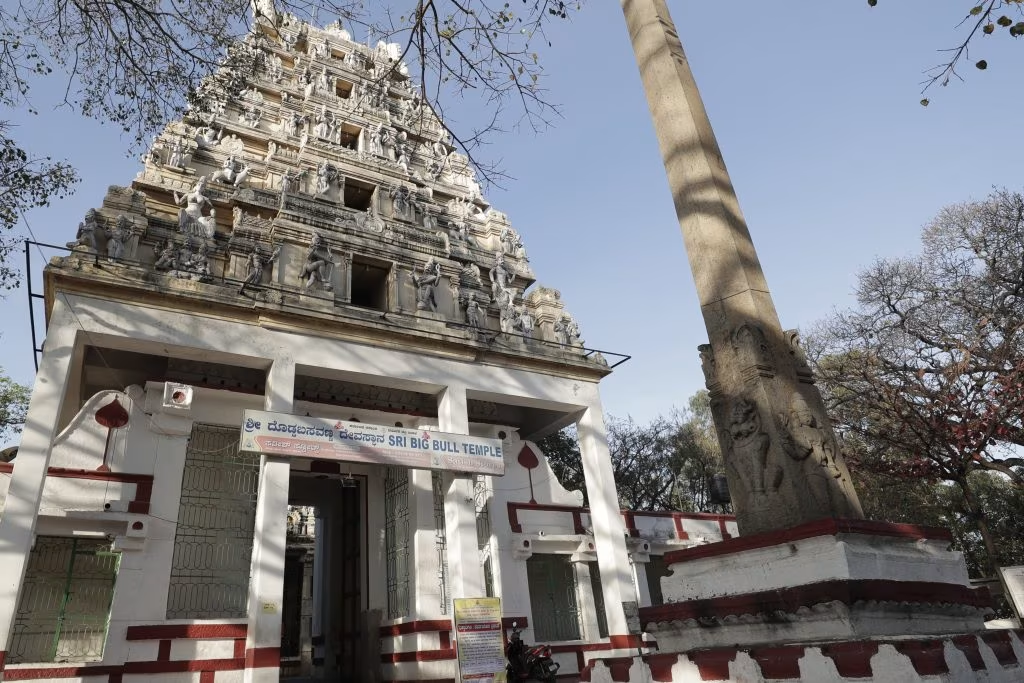
The iconic Bull Temple is an essential stop. It houses one of the world’s largest monolithic Nandi statues.
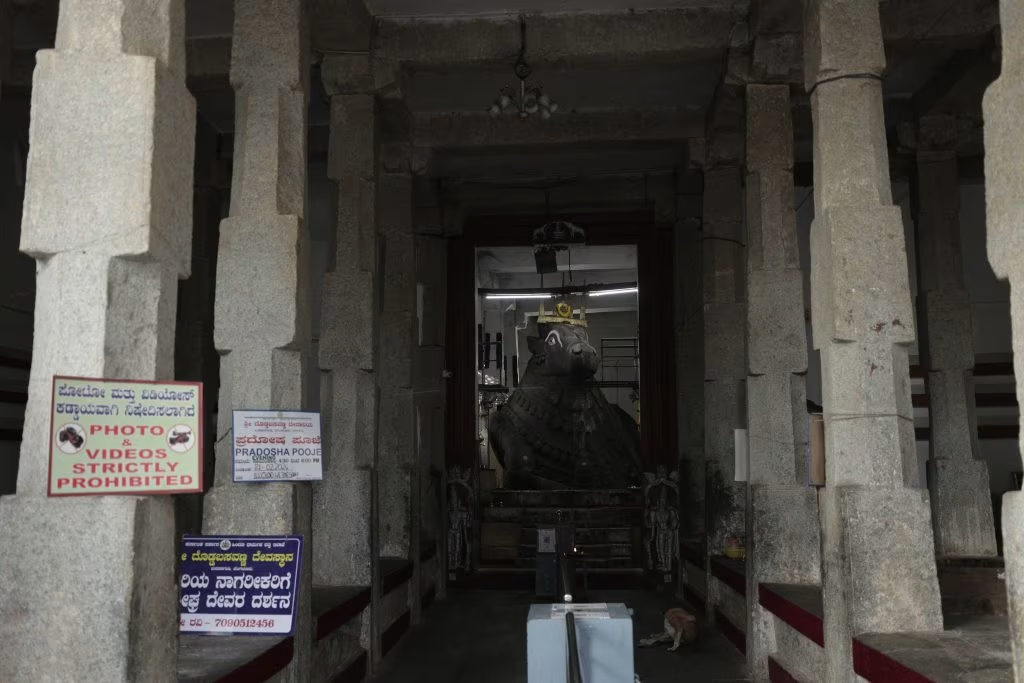
Nandi is the vehicle of Shiva. Seeking his blessings is the first step toward the Lord. The massive stone bull looks humble adorned in butter.
2. Shivoham Shiva Temple (Old Airport Road)
This is a prime spiritual center. It features a stunning 65-foot-tall Lord Shiva statue. The temple is an experiential center. They host grand light and sound shows. They also offer a recreated “Amarnath Yatra” cave walk. This makes it a popular destination for Maha Shivaratri 2026.
3. Kotilingeshwara Temple (Kolar)
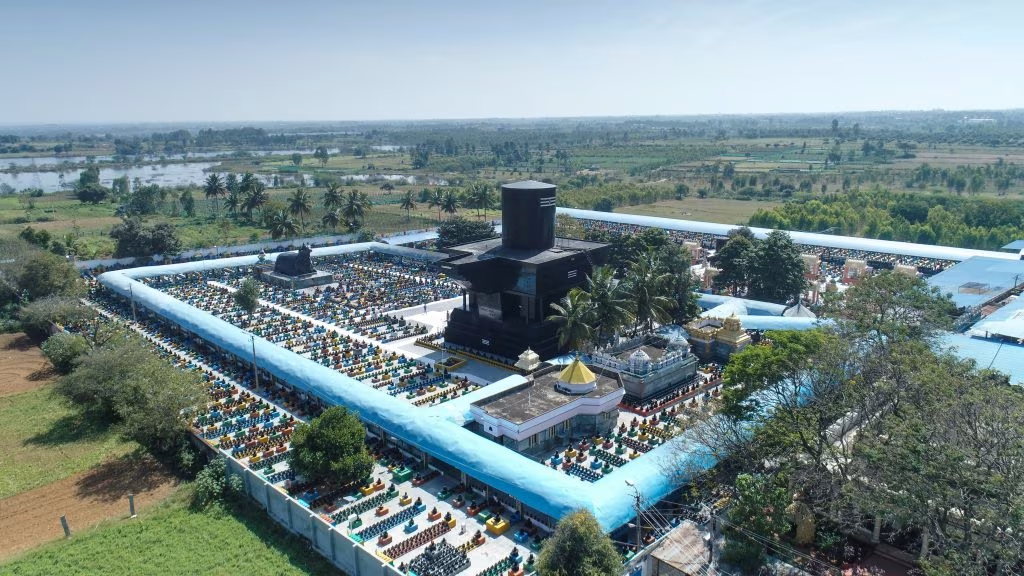
The Kotilingeshwara temple is a short drive from Bengaluru. It is approximately 90 km away. The temple’s goal is to house 1 crore Shiva Lingas. Walking through a forest of countless Lingas is a surreal experience. The main attraction is the 108-foot-tall Linga. It makes a powerful epicenter for the festival.
4. Gavi Gangadhareshwara Temple (Gavipuram)
This is an architectural and astronomical marvel. This cave temple is one of the oldest in Bengaluru. It is famous for its unique rock-cut architecture. On certain days, sun rays pass through the horns of the Nandi statue. They illuminate the Shivalinga inside the cave. This is a testament to the scientific prowess of ancient Kannada builders.
Beyond the City: Iconic Shiva Temples in Karnataka
The true soul of the festival is in the ancient temple towns. These legendary shrines offer a profound spiritual experience.
1. Murudeshwar: The Guardian of the Arabian Sea
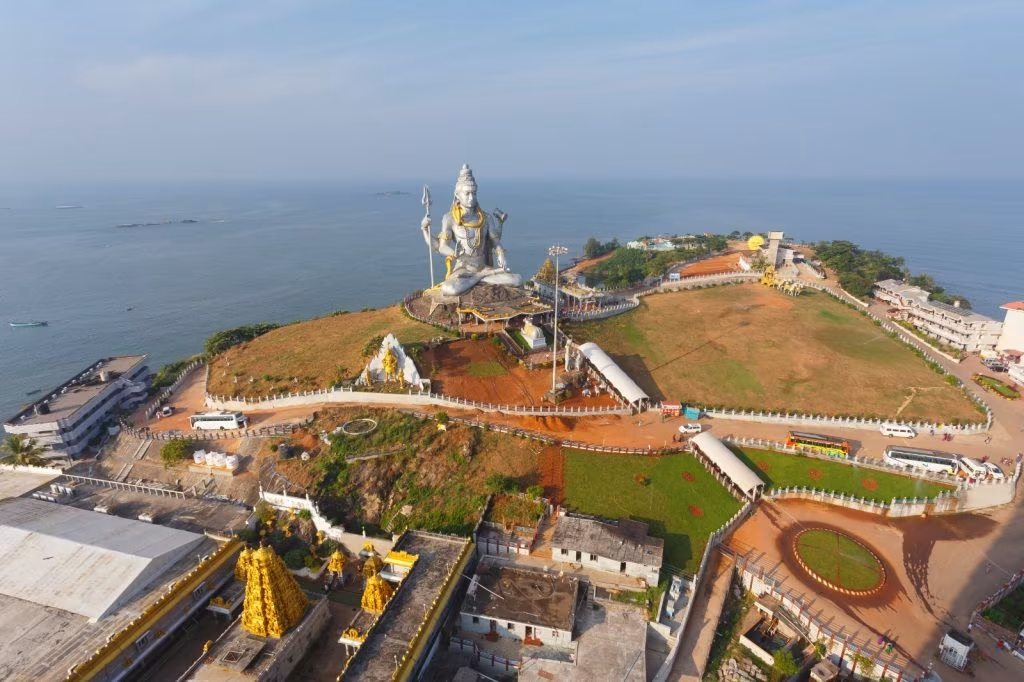
Murudeshwar is home to the world’s second-tallest Shiva statue. The 123-foot-tall silver-colored deity sits on Kanduka Hill. It is surrounded by the Arabian Sea on three sides. On the night of Maha Shivaratri 2026, the statue is illuminated. This creates a celestial glow seen from miles away. Devotees often climb the 20-storied Raja Gopura. It is one of the tallest in the world.
The legend is tied to the Atmalinga. This makes it a significant stop for exploring the story. The complex also features a beautiful museum. It depicts the history through life-like statues.
2. Gokarna: The Dakshina Kashi
Gokarna is not just a beach destination. It is one of the seven most important Mukti Sthalas in Karnataka. The Mahabaleshwar Temple houses the original Atmalinga. The Mahabaleshwar Temple here houses the original Atmalinga, which Ravana was tricked into placing on the ground.
The Linga is shaped like a cow’s ear. Therefore, the town is named ‘Gokarna’. Thousands of pilgrims take a holy dip in the Arabian Sea. The town comes alive with a massive chariot festival. A giant wooden chariot is pulled through the narrow streets. Hundreds of devotees chant “Mahadev!”.
3. Hampi: Shiva Amidst the Ruins
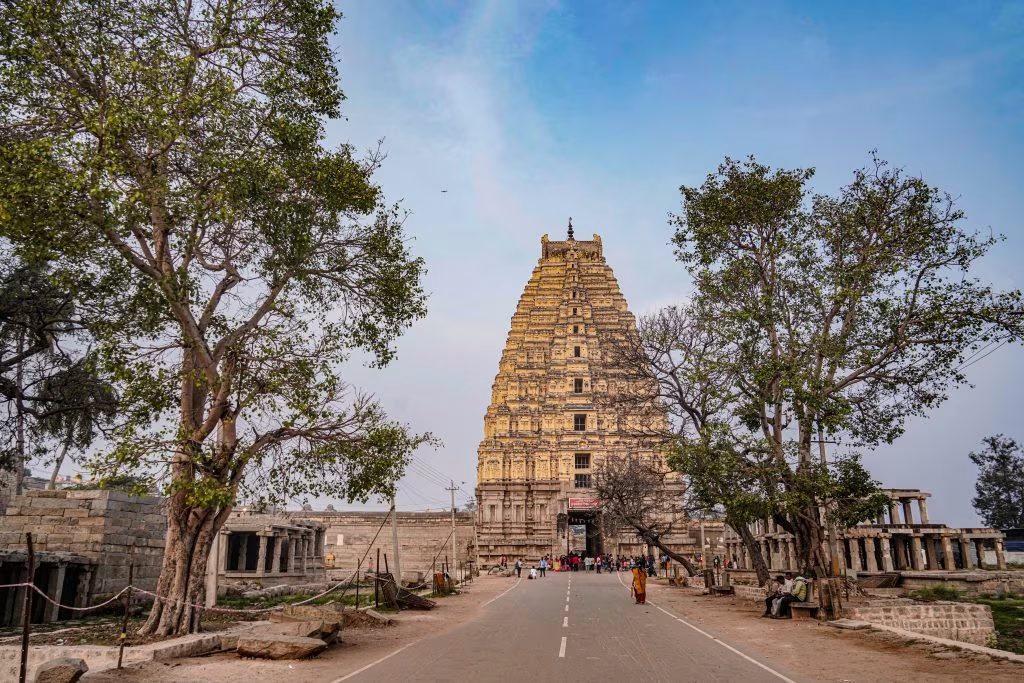
The Virupaksha Temple in Hampi is a UNESCO World Heritage site. It is one of the few temples that has seen uninterrupted worship since the 7th century. Located on the banks of the Tungabhadra River, this temple is dedicated to Lord Virupaksha.
Lord Virupaksha is a form of Shiva.
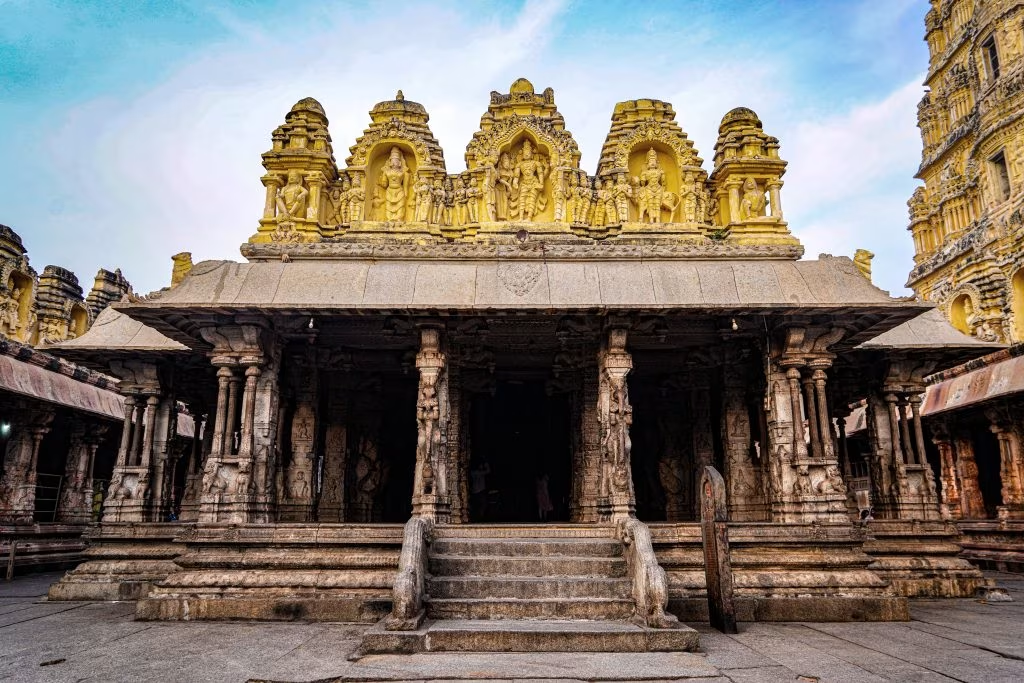
On Maha Shivaratri 2026, the stone corridors of this Vijayanagara-era masterpiece echo with Vedic chants. The celebration includes a special wedding ceremony for Virupaksha and Pampa (Goddess Parvati). This ceremony symbolizes the union of the soul with the divine.
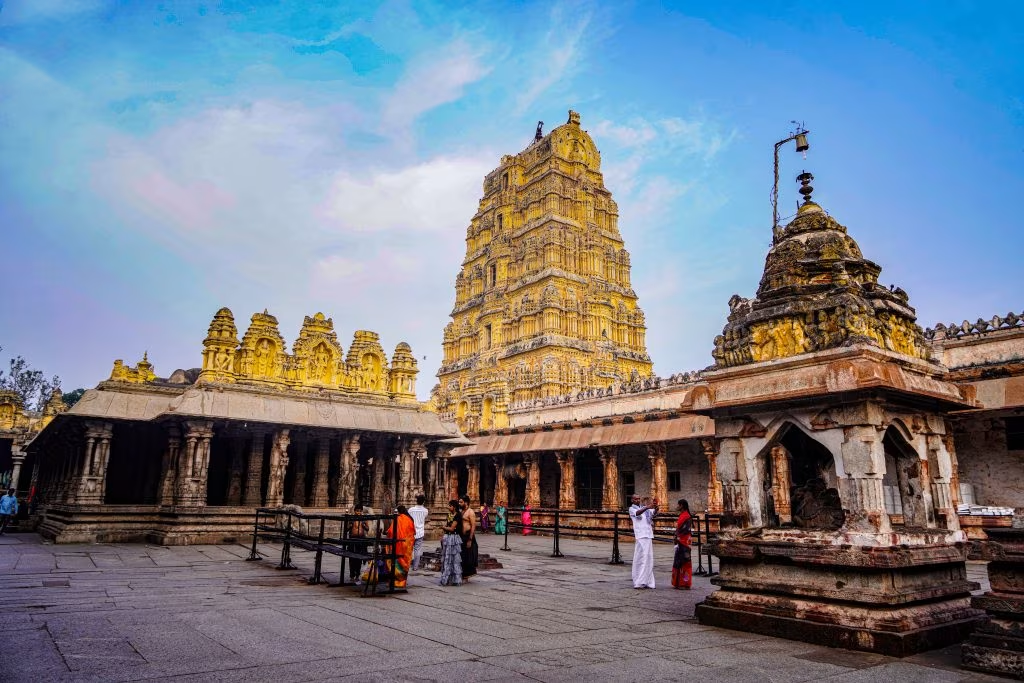
For history buffs and spiritual seekers alike, Hampi is one of the m ost unique temples to visit.It is within a few hours’ journey from Bengaluru. The site offers a glimpse into the golden age of India.
4. Nanjundeshwara Temple: The Kashi of the South
Located in Nanjangud near Mysuru, this temple is dedicated to Lord Shiva as ‘Nanjundeshwara’. ‘Nanjundeshwara’ means the one who consumed poison. It is one of the largest Shiva temples in Karnataka. It is famous for its massive Prakara or corridor.
It is a tradition here to perform the ‘Urulu Seve‘ as a mark of devotion. This involves rolling on the ground. During Maha Shivaratri 2026, the temple stays open throughout the night. Special Abhishekas are performed every three hours. These rituals attract lakhs of devotees from across South India..
Visitor Etiquette: Preparing for Your Pilgrimage
1. Embracing the Tradition (Dress Code): Temples in Karnataka are sacred spaces. People appreciate traditional attire in temples.
- For Men: The most respectful choice is the Panche (Dhoti) or Lungi paired with a simple Kurta or a matching Shalya. If you prefer, a simple Kurta – Pyjama is also acceptable. Avoid shorts and sleeveless shirts.
- For Women: Sarees are the classic choice. Alternatively, Salwar Kameez or Churidar with a Dupatta are perfectly suitable. Ensure clothing is modest, covering shoulders and knees.
2. Footwear & Conduct:
- Remove shoes at the designated stands. Slip-on sandals are the most practical choice.
- Keep phones on silent. Photography of the Garbhagriha (inner sanctum) is strictly prohibited.
Experience the Divine
This year, let the “Great Night of Shiva” be more than just a holiday. Whether you are offering Bilva leaves at the bull temple Bangalore, participating in the night-long Jagaran at a local shiva temple bangalore, or embarking on a long-distance pilgrimage to the Kotilingeshwara temple from Bangalore, may this festival bring you peace, clarity, and spiritual enlightenment.